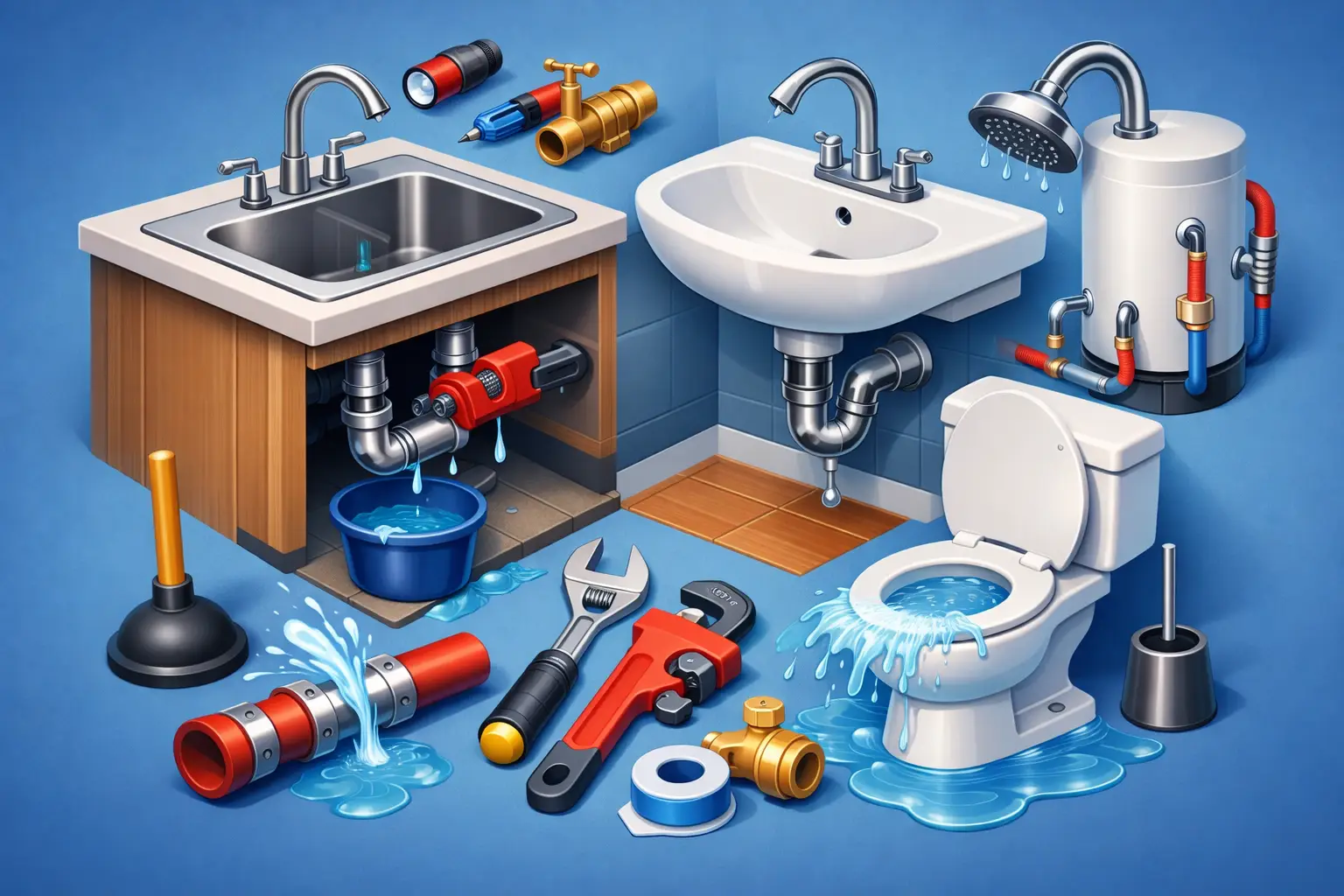
A dripping pipe under the kitchen sink can seem minor right up until the cabinet floor starts swelling and the musty smell sets in. That is how many plumbing repairs begin – small, easy to ignore, and suddenly expensive. For homeowners in Hudson and nearby Massachusetts communities, the difference between a quick fix and a major cleanup often comes down to how fast the problem is identified and whether the right repair is made the first time.
Plumbing problems rarely stay in one lane. A leak can affect flooring, drywall, insulation, and even electrical systems nearby. A failing water heater can leave you without hot water, but it can also raise utility costs or create safety concerns. That is why a practical approach matters. Some issues can be addressed with a simple adjustment, while others need prompt professional service to protect the home.
The plumbing repairs that should never wait
Some plumbing issues are inconvenient. Others are urgent. Knowing the difference helps homeowners respond calmly and avoid unnecessary damage.
Active leaks are at the top of the list. If water is dripping from a supply line, pooling around a toilet base, or showing up on a ceiling below a bathroom, time matters. Even a slow leak can damage framing and finishes over time. If the leak is sudden or heavy, shutting off the nearest fixture valve or the home’s main water supply is the right first move.
A burst pipe is an obvious emergency, but less dramatic problems can be serious too. A drain backup affecting more than one fixture may point to a larger blockage in the main line. No hot water can also become urgent, especially during colder months or in homes with young children or older adults. If a sump pump has stopped working during wet weather, the basement may be one storm away from flooding.
Gas-related issues belong in the urgent category as well. If there is any sign of a gas leak or a gas appliance is not operating normally, that is not a wait-and-see situation.
Common plumbing repairs in older and newer homes
Not every house develops the same plumbing issues. Age, water quality, past repair history, and fixture quality all play a part.
In older homes, worn shutoff valves, corroded pipes, outdated fixtures, and aging water heaters are common sources of trouble. A pipe may not fail all at once. It may start with pinhole leaks, reduced water pressure, or discolored water. Older drain systems can also be more prone to recurring clogs, especially if buildup has narrowed the pipe over time.
Newer homes are not immune. In fact, many plumbing repairs in newer homes involve fixture components, sump pumps, water heater sensors, expansion tanks, or connections that have loosened over time. A newer system may have more efficiency and better materials, but it often includes parts that require accurate troubleshooting rather than guesswork.
That is where experience matters. Replacing the wrong part wastes time and money. Diagnosing the actual cause is what gets the repair to hold.
What homeowners can safely do first
There is a middle ground between ignoring a plumbing problem and trying to take the whole thing apart yourself. In many cases, a few simple steps can limit damage before service arrives.
If a fixture is leaking, shut off the local valve if one is available. If a pipe has split or water is flowing steadily, turn off the main water supply to the home. For a clogged sink or tub, stop using the fixture and avoid chemical drain cleaners, which can damage pipes and create a more hazardous work area later. If the water heater is acting up, check whether the problem is a tripped breaker, a pilot issue on an older gas unit, or a visible leak around the tank.
It also helps to pay attention to details. Is the problem affecting one fixture or several? Did it start after another repair, a cold snap, or heavy rain? Is there a strange sound, odor, or drop in water pressure? Those details can make troubleshooting faster and more accurate.
What homeowners should not do is force connections tighter, keep resetting a failing system repeatedly, or open up gas-related components without training. Plumbing systems are interconnected, and a well-meaning DIY attempt can turn a repair into a replacement.
When plumbing repairs need a professional
A good rule is this: if the problem involves hidden leaks, water damage, gas lines, water heaters, sump pumps, boiler connections, or repeated failures, call a professional. Those repairs usually need more than a temporary fix.
Leaks behind walls and under floors are a good example. By the time staining appears, the water may have been traveling for some time. The visible mark is often not the true source. The same goes for recurring drain issues. Clearing a clog may solve the immediate symptom, but if the line has a deeper blockage, a sag, root intrusion, or heavy buildup, the problem will return.
Water heater repairs also require judgment. Sometimes a failing component can be replaced and the unit has years left. Other times, the age of the tank, condition of the burner or elements, and signs of corrosion make replacement the better investment. It depends on the unit, the repair cost, and how reliable the system has been.
For homeowners who want one trusted company for both plumbing and heating concerns, this overlap is especially helpful. A system issue is not always isolated. A boiler-fed water problem, an indirect water heater issue, or a gas fitting concern may require broader home system knowledge.
Signs a small plumbing issue is getting bigger
The hardest plumbing problems are often the quiet ones. They do not flood the room right away. They show up as patterns.
If your water bill suddenly climbs without a clear reason, a hidden leak may be the cause. If drains keep slowing down even after being cleared, the line may have a larger obstruction. If you hear pipes knocking, whistling, or rattling, pressure or support issues could be developing. Rust-colored water, inconsistent hot water, or damp spots near the water heater often point to a unit that needs attention soon.
Sump pump warning signs are easy to overlook too. If the pit fills but the pump struggles to discharge, cycles too frequently, or makes unusual noise, that is worth checking before the next heavy rain. Basement water problems usually become urgent at the worst possible moment.
Why the cheapest repair is not always the least expensive
Most homeowners are not looking for extras. They want the problem fixed, the home protected, and the cost explained clearly. That is reasonable. But there is a difference between a low upfront number and a repair that actually lasts.
For example, patching a section of failing pipe may be appropriate in one home and a short-term bandage in another. Replacing only the visible fitting might stop the drip today, while leaving aged valves or brittle pipe ready to fail next month. On the other hand, not every issue calls for a full replacement. A quality repair should match the condition of the system, the urgency of the problem, and the homeowner’s long-term plans.
That balance is where honest guidance matters. A dependable contractor should be able to explain what failed, why it failed, and whether the right next step is repair, replacement, or monitoring. Homeowners do not need a sales pitch. They need a clear recommendation.
Choosing the right help for plumbing repairs
When you need service, responsiveness matters, but so does range of expertise. Many plumbing calls are tied to larger home comfort systems, whether that means a water heater, a boiler connection, a sump pump, or gas piping for an appliance. Working with a contractor that understands the full picture can save time and avoid finger-pointing.
Local service matters too. Homeowners want someone who knows the area, can respond quickly, and stands behind the work. That is one reason family-owned companies like Mass Plumbing & Heating continue to earn trust – people remember who answered the phone, showed up prepared, and solved the problem without making the process harder than it needed to be.
The best plumbing repairs do not just stop the immediate leak or restore hot water. They leave the system safer, more reliable, and less likely to fail again next week. If something in your home seems off, it is worth acting before a small problem starts spreading behind walls, under floors, or into the next emergency.
Leave a Reply