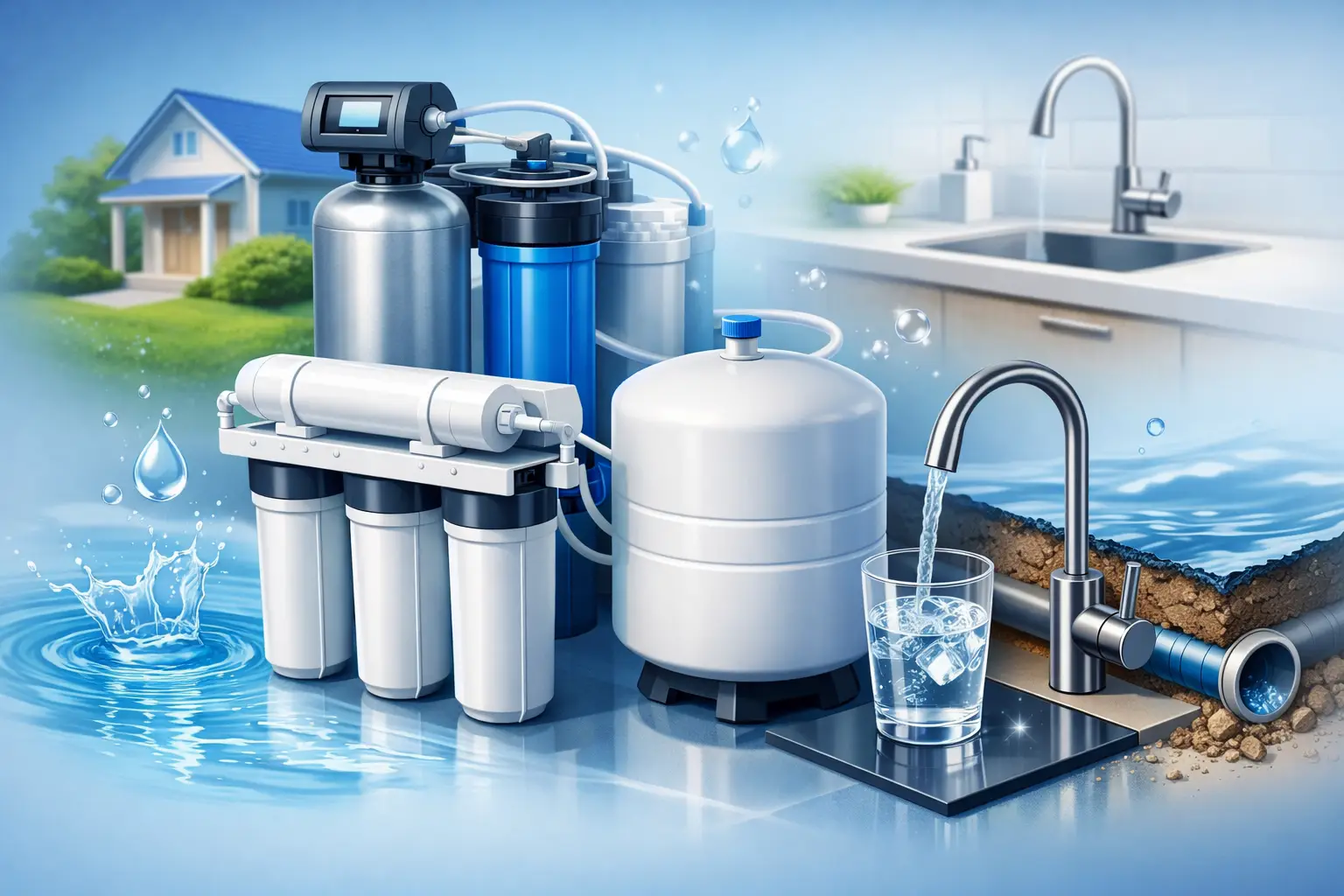
A glass of water can look perfectly clear and still leave you with hard-water spots, chlorine taste, stained fixtures, or concerns about what is actually coming through the tap. That is where a smart water filtration systems review helps. The right system can improve taste, protect plumbing, and make everyday water use feel a lot better, but the best choice depends on what is in your water and what you want to fix.
For homeowners in Massachusetts, that last part matters. Water quality is not one-size-fits-all. Some homes deal with hard water, others notice sediment, sulfur odors, iron staining, or chlorine taste from municipal supply. Private well owners often face a different set of issues than public water customers. A filtration system that works well in one home may be a poor fit in the next.
What a water filtration systems review should actually cover
A useful review is not just a list of products. It should look at the job each system is designed to do, how much maintenance it needs, how it affects water pressure, and whether it treats one faucet or the entire house.
That matters because many homeowners start with a broad goal like cleaner water, then realize they have a more specific problem. If your dishes come out cloudy, that points in a different direction than rotten-egg odor at the kitchen sink. If your concern is drinking water only, a point-of-use filter may make sense. If you want to protect showers, laundry, appliances, and pipes, you are usually looking at whole-house treatment.
The main types of home water filtration systems
Carbon filters
Carbon filtration is one of the most common and practical options for city water. These systems are especially good at reducing chlorine taste and odor, along with some organic compounds that affect smell and flavor. If your water is safe but unpleasant to drink, carbon often gives the most noticeable improvement for the least complexity.
The trade-off is that carbon filters are not a cure-all. They do not soften hard water, and they are not the best answer for heavy sediment, iron, or bacterial concerns. They also need regular cartridge replacement. When maintenance gets skipped, performance drops.
Sediment filters
Sediment filters are simple, but they play an important role. They catch dirt, rust, and suspended particles before that material moves deeper into your plumbing system or into more specialized filters. In homes with well water or older piping, this can be a very smart first line of defense.
On their own, sediment filters are limited. They improve clarity, but they do not handle taste, odor, hardness, or dissolved contaminants. In many homes, they work best as one stage in a larger treatment setup.
Reverse osmosis systems
Reverse osmosis systems are often installed under the kitchen sink to produce high-quality drinking and cooking water. They are effective at reducing a wide range of dissolved solids and can make a major difference if you are concerned about the purity of what you drink.
That said, reverse osmosis is not always the most practical whole-home choice. It is slower than standard filtration, wastes some water during the treatment process, and usually requires more maintenance than a basic carbon filter. For many homeowners, it is excellent at one faucet and unnecessary everywhere else.
Water softeners
Strictly speaking, a softener is not the same as a filter, but it belongs in any honest water filtration systems review because homeowners often need one more than they need filtration. If your real problem is hard water, a softener addresses the mineral content that causes scale buildup, soap scum, dry skin, and wear on water-using appliances.
A softener can protect water heaters, dishwashers, washing machines, and plumbing fixtures. It can also improve how soap works throughout the home. The downside is ongoing salt use, periodic maintenance, and the fact that softening does not target every water-quality issue. Many homes benefit from a softener paired with another treatment method.
Specialty filters for iron, sulfur, and other well-water issues
Well water can come with very specific problems that basic filters do not solve well. Iron can stain sinks and laundry. Sulfur can create a strong rotten-egg smell. Other homes deal with manganese or acidity. In these cases, specialty treatment is usually the right path.
This is where professional testing matters most. Guessing can get expensive fast. A homeowner may install a general-purpose filter and see little improvement because the actual issue requires a different media, an aeration step, or a properly sized treatment unit.
Whole-house vs. point-of-use systems
One of the biggest choices is whether to treat water at one location or at the main water line.
Point-of-use systems treat water where you need it, usually at a kitchen sink or refrigerator line. They cost less upfront and make sense if your main goal is better drinking water. Reverse osmosis and smaller carbon systems often fall into this category.
Whole-house systems treat water as it enters the home. That means every faucet, shower, appliance, and fixture benefits. If you are dealing with hard water, sediment, staining, or odor throughout the house, this is usually the better long-term solution. The upfront investment is higher, but so is the overall impact.
What homeowners often get wrong
The most common mistake is buying based on marketing rather than water conditions. A system can have impressive claims and still be the wrong match for your home. Another mistake is focusing only on purchase price. A cheaper system that needs frequent filter changes or does not solve the problem is not actually cheaper.
Sizing is another issue. If a whole-house system is too small, you may notice pressure drop or poor performance during busy times of day. If it is oversized without a reason, you may pay more than necessary. Installation quality also matters more than many people expect. Even a strong system can disappoint if it is installed in the wrong configuration or without enough access for service.
Cost, maintenance, and real-world value
Homeowners usually want a clear answer on cost, but the honest answer is that pricing varies with the type of treatment, the size of the home, the condition of the plumbing, and whether the system serves one fixture or the whole house.
Smaller under-sink systems are usually the most budget-friendly. Whole-house carbon filters, softeners, and specialty well-water systems cost more upfront, especially when professional installation is included. But value is not just about the equipment. It is also about protecting your pipes, water heater, fixtures, and appliances from wear caused by untreated water.
Maintenance is part of ownership, and it should never be treated like a footnote. Filters need changing. Softeners need salt. Some systems need periodic sanitizing, testing, or media replacement. A good setup is one you can realistically keep up with.
How to choose the right system for your home
The best place to start is with the problem, not the product. Are you trying to improve taste at the tap, stop white scale on fixtures, reduce sediment, or solve a well-water odor issue? Those are different jobs.
Next, look at your water source. Municipal water often points toward chlorine and taste concerns, while well water more often raises issues like sediment, iron, sulfur, or hardness. Then think about coverage. If the issue affects the whole house, a single-faucet filter will not be enough.
Professional water testing or a site-specific evaluation often saves money in the long run because it narrows the solution to what your home actually needs. For homeowners who want practical guidance without the guesswork, working with a trusted local expert like Mass Plumbing & Heating can make the process much more straightforward.
Water filtration systems review: which option is best?
If your water tastes and smells bad but otherwise causes few issues, a carbon filter is often the most practical answer. If your drinking water is the only concern, under-sink reverse osmosis may be worth it. If hard water is damaging fixtures and appliances, a softener is usually the better investment. If you have well water with staining or odor, a specialty treatment system is often the right move.
That is why there is no single winner in any water filtration systems review. The best system is the one that solves your actual water problem, fits your home, and stays maintainable over time.
A good water treatment decision should make daily life easier, not more complicated. When the system matches the water, you notice it in small ways every day – better-tasting drinking water, cleaner fixtures, fewer plumbing headaches, and a home that simply runs better.
Leave a Reply