Category: Uncategorized

  • Sump Pump Not Working? Start Here

    Sump Pump Not Working? Start Here

    A sump pump usually gets ignored until the moment you need it most. If your sump pump not working issue shows up during a heavy rain or spring thaw, the problem can go from inconvenient to expensive very quickly. The good news is that some causes are simple, and a few basic checks can tell you whether you are dealing with a quick fix or a repair that needs professional attention.

    What to check first when a sump pump is not working

    Start with safety. If there is standing water near the pump, avoid touching the unit until you are sure power to the area is safe. Water and electricity are a bad combination, and a flooded basement is not the place to take chances.

    If the area is dry enough to inspect, look at the power source first. Many sump pump calls come down to a loose plug, a tripped GFCI outlet, or a breaker that has shut off. Pumps can also share a circuit with other basement equipment, so a reset at the electrical panel may solve the issue if nothing else is wrong.

    Next, check the float switch. This is the part that tells the pump when to turn on as water rises in the pit. If the float is jammed against the side of the basin, tangled in the cord, or blocked by debris, the pump may stay off even when the pit is full. In some homes, the pump itself is fine but the switch cannot move freely enough to trigger it.

    Listen to what the unit is doing. A sump pump that is completely silent usually points to a power issue, a failed switch, or a motor that has quit. A pump that hums but does not move water may have a stuck impeller, a clogged discharge line, or internal wear. A pump that runs continuously could be undersized, improperly adjusted, or dealing with more water than the system can handle.

    Common reasons your sump pump is not working

    Power problems

    Electrical issues are one of the most common causes. The pump may be unplugged, the breaker may be tripped, or the outlet may have failed. In some basements, extension cords or older outlets create unreliable operation. A sump pump should have a dependable power source, especially in a region where storms can move through quickly.

    There is also the backup question. If your primary pump depends on household power and there is an outage during a storm, the system may stop right when groundwater is rising. That does not mean the pump is broken, but it does mean the protection is gone until power returns or a battery backup takes over.

    Float switch trouble

    The float switch does a simple job, but when it sticks, the whole system stops doing its job. Dirt, iron bacteria, silt, and tight pit spacing can all interfere with movement. Sometimes the switch has simply worn out after years of cycling on and off.

    This is one of those problems where timing matters. A sticky switch might work one day and fail the next, which can make the issue seem intermittent. If your pump only works when you tap it or reposition the float, that is a sign the problem should be addressed before the next storm.

    Clogged or frozen discharge line

    The discharge pipe carries water from the pit to the outside. If that line is blocked by debris, collapsed underground, or frozen near the exterior discharge point, the pump may run without actually removing water. In winter, this is a frequent cause of failure. Water has nowhere to go, pressure builds, and the basin can fill even though the pump sounds active.

    A discharge problem can also cause the pump to work harder than it should. Over time, that extra strain can shorten motor life.

    A jammed or damaged impeller

    Inside the pump is an impeller that pushes water through the system. If gravel, sediment, or other debris gets into the pump, the impeller can jam or wear down. When that happens, the motor may run but little or no water moves.

    This is more common in pits that collect a lot of silt or in systems that have gone years without inspection. Homeowners often notice it as a humming sound, vibration, or weak pumping performance.

    Old age and normal wear

    Sump pumps do not last forever. Depending on quality, usage, and maintenance, many residential units last around 7 to 10 years. A pump that runs often, handles a high water table, or has not been serviced may wear out sooner.

    Age alone does not always mean immediate failure, but if your sump pump is older and already showing signs of trouble, repair may not be the most cost-effective path. In many cases, replacement makes more sense than waiting for another breakdown.

    Signs the problem is bigger than a simple reset

    Some sump pump issues are straightforward. Others point to a broader basement drainage problem or an installation issue. If the pit fills too quickly for the pump to keep up, the pump may be undersized for the amount of water entering the basin. If the unit short cycles or turns on and off too frequently, the float setting or check valve may need attention.

    You may also notice that the pump is technically running, but water still collects around the foundation or seeps onto the basement floor. That can mean the sump system is only part of the problem. Grading, groundwater conditions, footing drains, and discharge location all play a role. The pump cannot compensate for every drainage issue on its own.

    When a sump pump not working becomes an emergency

    If water is actively rising in the pit and the pump will not start, time matters. The same is true if the basement already has standing water, the pump is tripping the breaker repeatedly, or you suspect the motor has burned out. Waiting can lead to damage to flooring, stored belongings, framing, and finished basement materials.

    This is also where local experience matters. Homes across Hudson and surrounding Massachusetts communities deal with seasonal groundwater swings, cold-weather discharge line issues, and storm-related outages. A repair approach that works in one home may not be enough in another if the drainage load is heavier or the backup protection is missing.

    What you can safely do yourself

    Homeowners can handle a few basic checks without getting too deep into the system. Confirm the pump is plugged in, reset a tripped GFCI or breaker once, inspect the float for obvious obstruction, and look outside to see whether the discharge line appears blocked or frozen.

    You can also pour a bucket of water into the sump pit to test whether the float rises and triggers the pump, as long as the area is safe and the electrical connection is dry. If the pump fails that simple test, or starts but cannot discharge water properly, it is usually time for repair service.

    What you should not do is disassemble wiring, open the motor housing, or continue resetting a breaker over and over. Repeated trips can signal an electrical fault or failing motor. That is not something to experiment with in a damp basement.

    Repair or replace?

    It depends on the age of the pump, the nature of the failure, and how much risk you are willing to carry. A newer pump with a bad switch or a clogged line may be worth repairing. An older unit with motor problems, intermittent operation, or repeated service history is often a better replacement candidate.

    Replacement is also worth considering if your current setup does not include a battery backup. Many homeowners do not realize their sump system has a single point of failure until a storm knocks out power. Adding backup protection can make a major difference when the primary pump cannot run.

    A properly sized replacement matters too. Bigger is not always better, but undersized pumps wear out faster and struggle during peak water events. The right choice depends on pit size, water volume, discharge layout, and how often the system cycles through the year.

    How to prevent the next sump pump failure

    A sump pump is one of those systems that benefits from simple routine attention. Testing it before the rainy season, clearing debris from the pit, checking the float movement, and confirming the discharge line is open can help catch trouble early. If your home depends heavily on the pump, regular inspection is even more important.

    Professional maintenance can also help identify issues that are harder to spot, such as weak pump performance, check valve problems, improper discharge slope, or wear that suggests the pump is nearing the end of its service life. For many homeowners, that kind of inspection is far less costly than basement cleanup after a failure.

    If your sump pump is not working and you are not getting a clear answer from the basic checks, it is smart to have it looked at before the next storm puts the system to the test. Mass Plumbing & Heating helps homeowners in Hudson and nearby communities troubleshoot sump pump problems, make reliable repairs, and put better protection in place when replacement is the smarter move.

    A sump pump does not need attention every day, but when it stops working, fast action makes all the difference.

  • Water Heater Replacement Cost Explained

    Water Heater Replacement Cost Explained

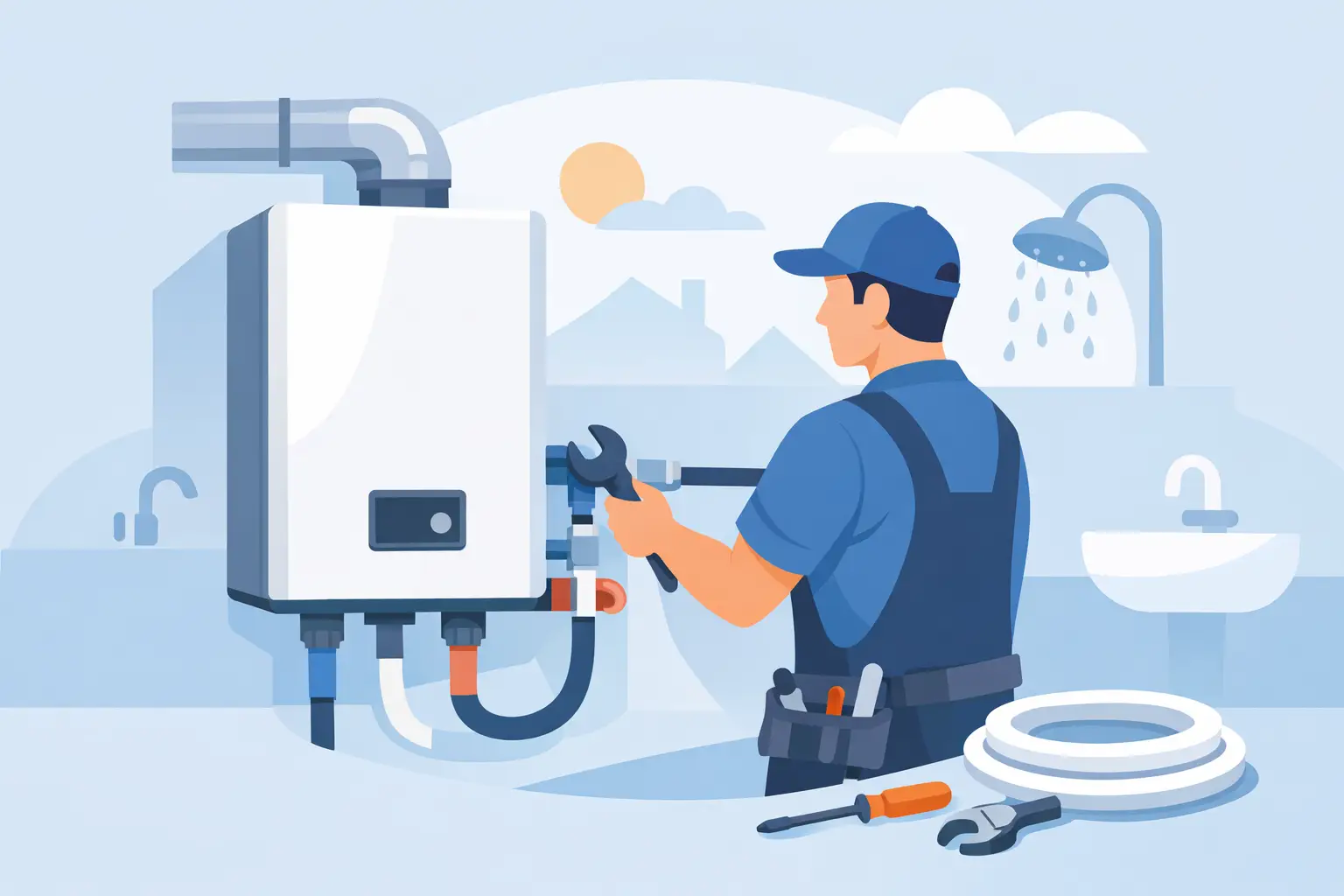
    If your shower keeps turning cold halfway through, or your water heater is leaking around the base, the first question is usually simple – how much is this going to cost? Water heater replacement cost depends on more than the unit itself. The type of heater, your home’s existing setup, venting, code updates, and installation complexity all play a role in the final number.

    For homeowners in Hudson and surrounding Massachusetts communities, that can make the difference between a straightforward same-day replacement and a larger project that involves gas piping, electrical work, or venting changes. The good news is that once you understand what drives the price, it becomes much easier to plan and make a smart decision for your home.

    What affects water heater replacement cost?

    The biggest factor is the kind of water heater you’re installing. A standard tank water heater is usually the most affordable option upfront. A tankless system often costs more to install, but it can make sense for homeowners who want energy savings, longer equipment life, or endless hot water for a busy household. Hybrid heat pump water heaters can also lower operating costs, but they have their own installation requirements.

    Fuel type matters too. Replacing an existing natural gas tank with a similar gas tank is often more predictable than converting from electric to gas or switching from a tank to tankless. When the replacement matches what is already in place, labor is usually simpler and material needs are lower.

    Then there is size. A 40-gallon unit for a smaller household will not cost the same as a 75-gallon model for a larger family. If your current system has never quite kept up with demand, a replacement may also involve resizing the unit rather than swapping in the same capacity.

    Brand and efficiency level can shift the total as well. Higher-efficiency models generally cost more upfront, but they may reduce monthly utility bills over time. For some homeowners, that trade-off is worth it. For others, the priority is restoring reliable hot water quickly at a lower initial cost.

    Typical price ranges homeowners should expect

    A broad price range is more realistic than a single average because homes and systems vary so much. In many cases, replacing a basic tank-style water heater with a similar model is the most budget-friendly path. Once you move into premium tanks, direct vent models, power vent units, tankless systems, or hybrids, the installed price rises.

    As a general guide, a standard tank replacement often lands in the lower range, while tankless and high-efficiency options sit higher because they involve more equipment and more labor. If the job includes upgrading venting, replacing valves, bringing the installation up to current code, or correcting older plumbing work, the total can increase further.

    This is why phone estimates can only go so far. Two homes may both need a new water heater, but one is a clean replacement in an open basement and the other has limited access, outdated piping, and a venting issue that needs correction. They are not the same job.

    Tank vs. tankless replacement cost

    For many homeowners, this is the biggest decision. A tank water heater usually costs less to install and is familiar, dependable, and straightforward. If your current system has served you well and your hot water demand is typical, replacing it with another tank may be the most practical choice.

    A tankless water heater costs more upfront, but it offers benefits that matter in the right home. It saves space, heats water on demand, and can reduce standby energy loss. It can be a strong fit for households that want longer-term efficiency or have run out of hot water with a tank system.

    That said, tankless is not automatically the better value. Some homes need gas line upgrades, electrical work, special venting, or condensate management to support the new system. Those added requirements affect water heater replacement cost and can make a tankless installation much more involved than homeowners expect.

    Labor, permits, and code upgrades

    Installation labor is a major part of the total. Even when the equipment cost is clear, the work around it often determines whether a replacement stays simple or becomes more complex.

    A professional installation may include removing and disposing of the old unit, reconnecting water lines, checking gas or electrical connections, installing shutoffs and safety devices, testing venting, and confirming the heater operates correctly. In Massachusetts, permit requirements and code compliance also matter. If an older installation does not meet current standards, updates may be needed during replacement.

    Common examples include expansion tanks, updated venting connections, drain pans, water shutoff improvements, and corrected pressure relief valve piping. None of these are flashy upgrades, but they are important for safety and proper operation. Skipping them may save money in the moment, but it can create bigger problems later.

    Why the lowest quote is not always the best deal

    It is tempting to compare replacements by equipment price alone, but that rarely gives the full picture. One quote may include permit handling, code-required items, old unit removal, and warranty-backed installation. Another may leave out key details that show up later as added charges.

    A lower quote can also mean a lower-quality unit, shortcuts on installation, or less support if something goes wrong after the job is done. With a water heater, reliability matters. This is a piece of equipment your household depends on every day, and a poor installation can lead to leaks, performance issues, or shortened system life.

    For homeowners, the better question is not just “What does it cost?” but “What am I getting for that price?” Clear communication, proper sizing, professional workmanship, and local service support all have real value.

    Signs replacement makes more sense than repair

    Sometimes a repair is the right call. Sometimes it only delays the inevitable. If your water heater is older, leaking from the tank itself, producing rusty water, making unusual noises, or struggling to keep up, replacement may be the smarter investment.

    Age is a big factor. Many standard tank water heaters last around 8 to 12 years, though actual life depends on water quality, maintenance, and usage. Tankless systems often last longer, but major component issues can still lead homeowners to weigh repair costs against replacement value.

    If the repair is expensive and the unit is already near the end of its expected life, putting money into a new system can offer better long-term value. You are not just paying to fix today’s problem. You are buying reliability, warranty protection, and improved efficiency.

    How to keep replacement costs from climbing

    The best way to control cost is to replace the unit before it becomes an emergency. When a heater fails completely or starts leaking unexpectedly, homeowners often have to make a fast decision. Emergency timing can limit options and add stress to the process.

    If your current unit is aging, it helps to have it evaluated before it quits. That gives you time to compare tank versus tankless, choose the right capacity, and plan for any upgrades the installation may need. Preventive planning does not always lower the base cost, but it can help you avoid water damage, rushed decisions, and surprise complications.

    Regular maintenance also helps. Flushing sediment, checking the anode rod when applicable, and watching for early warning signs can extend the life of the system and give you more control over replacement timing.

    Choosing the right replacement for your home

    The right answer depends on how your household uses hot water, what fuel source is available, and what kind of budget you are working with. A growing family may need a larger tank or a tankless upgrade. A homeowner focused on lower upfront cost may prefer a standard tank replacement. Someone planning to stay in the home long-term may see more value in higher efficiency.

    This is where working with an experienced local contractor helps. A proper recommendation should take into account your home’s layout, recovery needs, existing utilities, and installation conditions – not just the price of the box.

    At Mass Plumbing & Heating, that practical approach matters because homeowners need more than a number. They need a clear explanation of their options, honest guidance on what makes sense, and an installation that is done right the first time.

    When you are facing a failing water heater, the cheapest option is not always the most affordable in the long run. The best replacement is the one that gives your household dependable hot water, fits your home properly, and avoids surprises after installation.

  • Water Heater Repair: When to Call Fast

    No hot water has a way of ruining the whole day fast. When you need Water Heater Repair, the biggest question is whether the problem is minor or a sign your system needs immediate professional attention.

    For homeowners in Hudson and surrounding communities, the most common warning signs are pretty clear. If your water turns cold halfway through a shower, your tank is making popping or rumbling sounds, or you notice rusty water, your heater is telling you something is wrong. A leaking tank, water around the base, or a sulfur-like odor should never be ignored.

    Common water heater repair problems

    Some issues are relatively straightforward. A tripped breaker, a failed thermostat, or a faulty heating element can stop an electric unit from producing hot water. Gas systems may have trouble with the pilot light, thermocouple, or gas control valve. In other homes, sediment buildup is the real problem. Over time, minerals settle in the tank, reduce efficiency, and force the unit to work harder than it should.

    That said, not every repair makes sense. If the tank itself is leaking, repair is usually not the answer. Once the tank body fails, replacement is often the safer and more cost-effective choice.

    What to check before scheduling water heater repair

    Start with the basics. Make sure the power is on for an electric unit or that the gas supply is active for a gas model. Check whether the thermostat setting was changed accidentally. If you have hot water in one fixture but not another, the issue may be isolated to a faucet or mixing valve instead of the heater.

    If you see active leaking, smell gas, or hear unusual banging noises, skip the troubleshooting and call right away. In urgent situations, an Emergency Plumber Hudson MA Homeowners Trust can help protect your home from water damage and restore service safely.

    Repair or replace?

    It depends on the age of the unit, the repair needed, and how efficiently it has been running. Newer systems with a replaceable part often deserve repair. Older units that are struggling, leaking, or driving up utility bills may be better candidates for replacement. If you have been thinking about better efficiency and endless hot water, it may also be worth reviewing Tankless Water Heater Installation Basics.

    A good service call should give you clear answers, not guesswork. The right plumber will identify the problem, explain your options, and help you make a practical decision for your home and budget.

  • Tankless Water Heater Installation Basics

    Tankless Water Heater Installation Basics

    A cold shower usually gets people interested in water heaters fast. But when you are planning ahead, tankless water heater installation is less about chasing a trend and more about making sure your home can deliver hot water reliably, efficiently, and without surprises after the work is done.

    For many homeowners in Hudson and nearby Massachusetts communities, tankless systems are appealing for good reason. They take up less space than a storage tank, can reduce standby energy loss, and provide hot water on demand. The catch is that a tankless unit is not a simple swap in every home. Fuel supply, venting, electrical requirements, water quality, and household demand all need to line up before installation starts.

    Is tankless water heater installation right for every home?

    Not always, and that is the part homeowners deserve to hear clearly.

    A tankless water heater works by heating water as it passes through the unit. That means performance depends on flow rate and temperature rise, not just the size of a tank sitting full in the basement. If your household often runs two showers, a washing machine, and a dishwasher at the same time, the system has to be sized for that real-world demand. If it is undersized, you may still get hot water, just not enough at once.

    That does not mean tankless is a bad fit. It means proper sizing matters more than marketing claims. A smaller home with modest hot water demand may do very well with one unit. A larger home may need a higher-capacity model or, in some cases, more than one unit to serve different parts of the house.

    What happens during tankless water heater installation?

    A professional installation starts with evaluation, not equipment delivery.

    The first step is looking at how your home uses hot water. That includes the number of bathrooms, peak usage times, fixture counts, and whether you use natural gas, propane, or electricity. In Massachusetts homes, incoming water temperatures can be cold for a good part of the year, so the unit must work harder to raise water to a comfortable temperature. That affects sizing in a real way.

    From there, the installer checks the mechanical setup. Gas-fired tankless units often need a larger gas line than the old tank water heater used. That surprises many homeowners. A unit may be compact on the wall, but it can have a high BTU demand. If the gas supply is too small, the heater will not perform the way it should.

    Venting is another major factor. Many older tank water heaters use a basic venting setup that cannot simply be reused. Tankless systems typically require specific vent materials and vent lengths based on the manufacturer and the installation location. If the venting is wrong, efficiency, safety, and code compliance are all affected.

    Electrical work may also be part of the job. Even gas tankless units need power for controls, ignition, and fans. Electric tankless models often require substantial electrical capacity, which can make them less practical in some homes unless the panel and service can support the load.

    Finally, the old water heater is removed, the new system is mounted and connected, and the unit is tested under operating conditions. That includes checking gas pressure, water flow, venting, combustion, and temperature settings.

    The biggest factors that affect cost

    Homeowners often ask why pricing for tankless systems can vary so much. The unit itself is only part of the answer.

    Tankless water heater installation can involve gas line upgrades, new venting, condensate management for high-efficiency models, electrical work, water line modifications, and code-related changes. If your current setup already supports the new system well, the project may be fairly straightforward. If your home needs infrastructure updates, the job becomes more involved.

    That is why a quote based only on the appliance price can be misleading. A reliable estimate should reflect the full installation, not just the box on the wall.

    Why sizing matters more than most homeowners expect

    The most common installation mistake is choosing a unit based on brand recognition or advertised performance instead of household demand.

    A tankless heater is rated by how many gallons per minute it can heat at a given temperature rise. In winter, when groundwater is colder, the system has to work harder than it does in warmer months. A home that seems fine on paper can run into comfort issues if that seasonal difference is ignored.

    This is where experience matters. An installer should look beyond square footage and ask how your home actually functions. Do you have teenagers showering back-to-back? Do you fill a soaking tub? Is there a finished basement or an addition with another bathroom? Those details shape the right recommendation.

    Water quality and maintenance are part of the decision

    Tankless units are efficient, but they are not maintenance-free.

    In areas with mineral-heavy water, scale can build up inside the heat exchanger over time. That buildup reduces performance and can shorten the life of the system if it is not addressed. A professional may recommend periodic flushing and, in some homes, water treatment to help protect the unit.

    That does not mean you should avoid tankless. It simply means the long-term picture matters. A good installation includes a plan for service, not just startup day.

    Gas, electric, and the “best” choice

    For most homes in this region, gas-fired tankless systems are the more practical option, especially when homeowners want whole-house hot water. They generally offer stronger performance for simultaneous demand and are often better suited to larger households.

    Electric tankless units can work well in limited-use applications or in homes where the electrical capacity is already available. But whole-house electric models can require major panel and service upgrades. For many homeowners, that added cost changes the equation quickly.

    There is no one-size-fits-all answer. The best choice depends on your fuel source, your budget, your hot water habits, and what your home can support safely.

    Common concerns after installation

    A well-installed tankless system should deliver dependable hot water, but homeowners sometimes notice a few differences compared with a tank-style heater.

    There can be a slight delay before hot water reaches the tap. That is not usually a heater problem. It is often just the time it takes for hot water to travel through the plumbing lines. Some homes also notice a minimum flow requirement, meaning a very small trickle of water may not trigger the burner as expected.

    These are the kinds of details worth discussing before installation. When expectations are clear, homeowners tend to be much happier with the result.

    Choosing the right contractor for tankless water heater installation

    This is not a project where you want guesswork.

    A qualified installer should understand plumbing, gas piping, venting, code compliance, and system sizing. They should also be comfortable evaluating the broader condition of the home, because water heater work often touches several systems at once. That is especially true in older Massachusetts homes, where existing mechanical setups do not always match current equipment requirements.

    Working with a local company that handles both installation and future service is also worth considering. If you ever need maintenance, troubleshooting, or emergency help, it is easier when the contractor already knows the system and how it was installed. For homeowners who want that kind of continuity, Mass Plumbing & Heating provides tankless water heater solutions with the practical guidance and responsive service local families expect.

    When replacement makes sense

    If your current tank water heater is leaking, running out of hot water, or nearing the end of its life, this is often the right time to look at options. Tankless can be a smart upgrade when you want to reclaim space, improve efficiency, or invest in longer-term comfort.

    But the right answer is not always the newest option. Sometimes a high-quality tank replacement is the better fit for the home, the budget, or the usage pattern. A trustworthy recommendation should reflect that, not push one solution for every household.

    The best tankless water heater installation starts with an honest look at how your home works today and what you want from it tomorrow. When the system is sized correctly and installed with care, it can be a reliable upgrade that earns its place every time someone turns on the hot water.

  • 24 Hour Heating Repair When Heat Can’t Wait

    24 Hour Heating Repair When Heat Can’t Wait

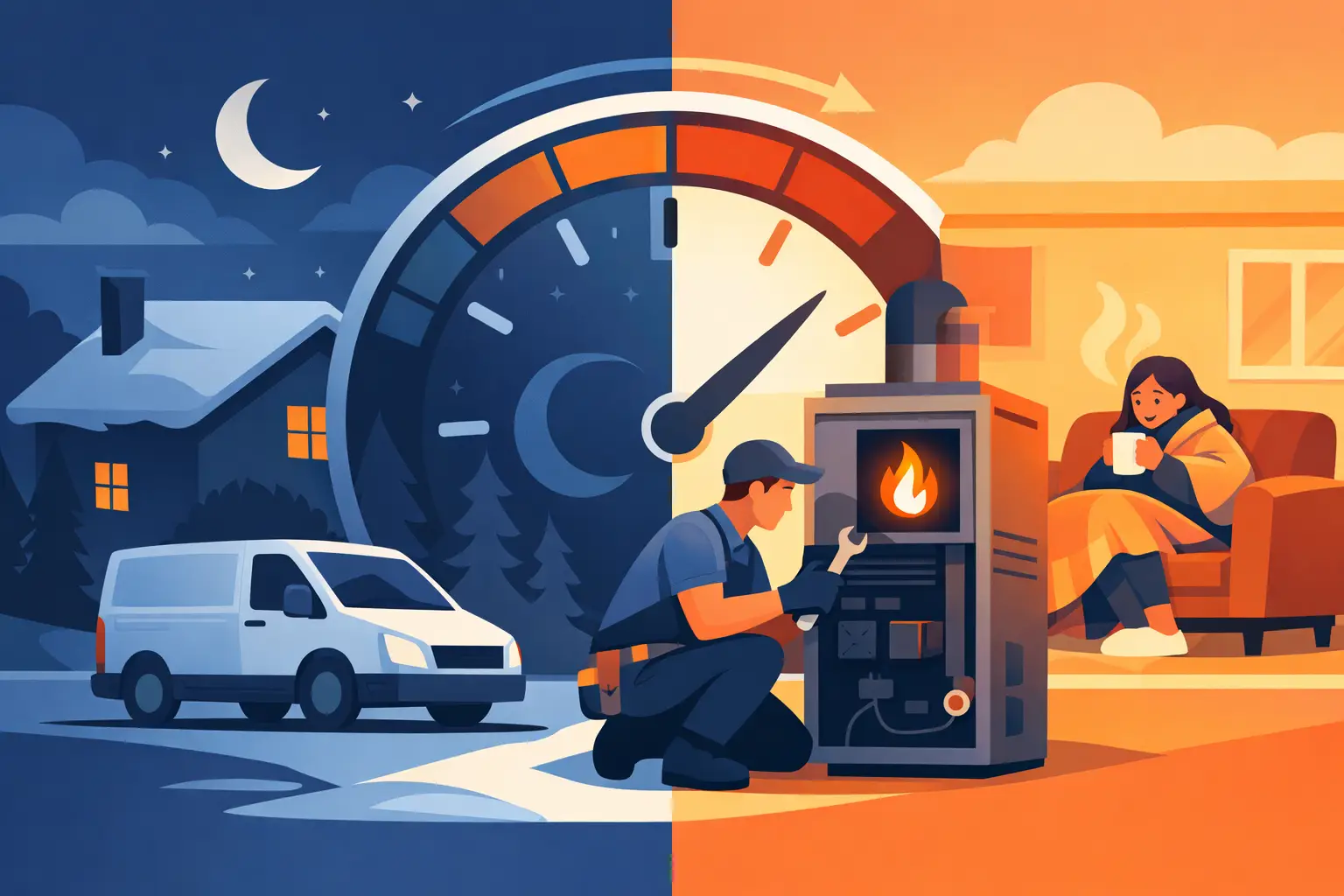
    When the heat goes out at 2 a.m. in the middle of a Massachusetts cold snap, it stops being a minor inconvenience. Pipes can freeze, rooms turn unsafe for kids or older adults, and a small mechanical issue can become a much bigger repair if it waits until morning. That is why 24 hour heating repair matters. It is not about convenience alone. It is about protecting your home, your family, and the heating system you rely on every day.

    For homeowners in Hudson and surrounding communities, emergency heating problems are rarely neat or predictable. A boiler may stop firing without warning. A thermostat may call for heat, but the baseboards stay cold. A steam system may bang, short cycle, or leave half the house freezing. In those moments, what you need most is a local contractor who can respond quickly, troubleshoot accurately, and explain what is happening in plain language.

    When 24 hour heating repair is truly necessary

    Not every heating issue is a middle-of-the-night emergency, but some situations should not wait. If your home has no heat at all during cold weather, that is an urgent call. The same goes for a boiler leak, the smell of gas, strange burning odors, loud mechanical noises, or a system that keeps shutting down after restarting.

    It also depends on who is in the home and how cold it is outside. A heating failure on a cool fall evening is different from a heating failure during a January freeze. If you have infants, older family members, or anyone with health concerns, waiting may not be a safe option even if the problem seems minor at first.

    There is also a difference between reduced performance and complete failure. If one room is chilly, the issue may be isolated to a zone valve, circulator, air in the lines, or thermostat settings. If the whole house is cold and the system will not run, that points to a broader problem that needs immediate attention.

    What you can check before calling for emergency service

    A few basic checks can save time and help you describe the problem clearly. Start with the thermostat. Make sure it is set to heat, the temperature is above the current room reading, and the batteries are not dead if it uses them. Then check the circuit breaker and the service switch near the equipment. Sometimes a system is off for a simple electrical reason.

    If you have a boiler, look at the pressure and temperature gauge if it is safe to do so. Low pressure can affect performance, especially in hydronic systems. If you have oil heat, make sure you have fuel. If you use gas, do not try to investigate any suspected leak on your own. Leave the area and call for help right away.

    You should also pay attention to what the system is doing. Is it trying to start and failing? Is the blower running but no heat coming through? Are the radiators warm upstairs but cold downstairs? Those details help a technician narrow down the likely cause before arrival.

    Basic checks are useful, but emergency heating work is not a DIY project. Modern systems have safety controls for a reason. Resetting equipment over and over or taking apart components can make the situation worse and may create safety risks.

    Common causes behind emergency heating calls

    Heating systems fail for different reasons, and the age and type of equipment matter. In many homes across Central and MetroWest Massachusetts, boilers and hydronic systems are still the backbone of winter comfort. These systems are durable, but when they have problems, the issue can involve controls, ignition components, circulators, expansion tanks, low-water cutoffs, venting, or frozen lines.

    Baseboard heat problems may trace back to zoning issues, trapped air, failed pumps, or thermostat communication problems. Steam heat has its own set of trouble spots, including pressure controls, water level issues, vents, and uneven distribution. Homes with furnaces can run into ignition failure, dirty flame sensors, blower motor trouble, or airflow restrictions.

    Sometimes the cause is wear and tear. Sometimes it is deferred maintenance catching up at the worst time. And sometimes a system has been showing warning signs for weeks – odd noises, short cycling, inconsistent heat – but finally reaches the point where it will not keep running.

    That is why experienced troubleshooting matters. Emergency service is not just about arriving quickly. It is about diagnosing the actual problem, not guessing, and making the right repair so your heat is dependable once it is back on.

    What to expect from a 24 hour heating repair visit

    A good emergency service call should bring clarity, not more stress. The first step is usually a conversation about symptoms, timing, and any recent issues with the system. From there, the technician checks power, fuel supply, controls, and safety devices before moving deeper into system-specific diagnostics.

    For homeowners, the most valuable part of that visit is often the explanation. You should know whether the problem is a failed part, a maintenance issue, a larger system condition, or a sign that replacement should at least be discussed soon. Not every emergency visit ends with a major repair. In many cases, one part replacement or control adjustment gets the system running again.

    There are trade-offs, though. In the middle of the night, the priority is often restoring safe heat as quickly as possible. If a system is older or has multiple failing components, the immediate repair may be the right short-term move while a more complete plan is made for daylight hours. A trustworthy contractor will tell you the difference.

    Repair now or replace soon?

    This is one of the most common questions after an emergency heating call. The answer depends on age, condition, repair history, and efficiency. If your boiler or furnace is relatively modern and the problem is isolated, repair usually makes sense. If the system is older, parts are becoming harder to source, and breakdowns are happening more often, it may be time to look at replacement.

    That does not mean every after-hours repair should turn into a sales conversation. Homeowners deserve practical advice. Sometimes the best path is to make the emergency repair, get through the immediate cold weather, and schedule a full evaluation later. Other times, especially with repeated no-heat calls, putting more money into an aging system only delays the inevitable.

    For homes considering better efficiency, emergency breakdowns can also be the moment when larger improvements come into focus. High-efficiency boilers, updated controls, or even oil-to-gas conversions may reduce operating costs and improve comfort over time. Still, those are decisions best made with clear information, not pressure.

    Why local experience matters in emergency heating work

    Heating service is not one-size-fits-all, especially in older Massachusetts homes. A contractor who understands boilers, radiant heating, baseboard systems, steam heat, fireplaces, and gas piping brings a different level of readiness to an emergency call. That breadth matters because many homes have overlapping systems and older mechanical setups that require more than a basic furnace repair approach.

    Local experience also means understanding what winter does to homes here. Frozen condensate lines, aging circulators, inconsistent zoning, and weather-related shutdowns are familiar problems in this region. A family-owned company like Mass Plumbing & Heating is built around that kind of practical service – helping homeowners solve the urgent issue first while keeping the bigger picture of home comfort in view.

    How to reduce the chances of another late-night breakdown

    No heating system lasts forever, but fewer surprises usually come down to maintenance and paying attention early. If your heat has been uneven, your energy bills have climbed, or the system has started making new noises, it is worth having it checked before the next cold stretch hits.

    Annual service helps catch ignition problems, venting issues, dirty components, failing pumps, and control problems before they shut the system down. It also gives you a clearer sense of whether your equipment is in good shape or nearing the point where replacement planning makes more sense than repeated repairs.

    Homeowners can help by changing filters where applicable, keeping the area around the equipment clear, and not ignoring small warning signs. The goal is not perfection. It is reducing the odds that you are suddenly dealing with a freezing house after business hours.

    When your heat fails, you do not need a complicated explanation or a long wait. You need a prompt response, honest answers, and work that gets your home warm and safe again. If there is one good time to find a trusted heating contractor, it is before the next emergency call becomes necessary.

  • Emergency Plumber Hudson MA Homeowners Trust

    Emergency Plumber Hudson MA Homeowners Trust

    Plumbing emergencies are stressful because they affect more than one part of the house at once. Water can damage flooring, drywall, furniture, and stored belongings within minutes. If the issue involves hot water, gas piping, or a boiler connection, the situation can also affect safety and basic comfort. That is why homeowners usually are not just looking for someone to show up fast. They want someone who can assess the full problem, explain what is happening clearly, and make the right repair without guesswork.

    What counts as a plumbing emergency?

    Some problems can wait until the next available appointment. A dripping faucet, for example, is frustrating and wasteful, but it usually does not require an overnight visit. A true emergency is different. It is a problem that is actively causing damage, creating a health or safety concern, or making your home unusable.

    That includes burst or frozen pipes, major leaks behind walls, sewer backups, overflowing toilets that will not shut off, no hot water in certain urgent situations, failed sump pumps during storms, and water heater leaks that are pooling around the unit. In winter, heating-related plumbing issues can become emergencies quickly, especially if frozen lines or boiler problems put your home at risk of losing heat.

    The gray area is where experience matters most. A small leak under a sink may not sound urgent, but if it is soaking cabinets and dripping into a finished basement below, it can escalate fast. A clogged drain may seem routine, but if multiple fixtures are backing up at once, that can point to a larger line issue. Not every plumbing problem is an emergency, but many become one when ignored for too long.

    Why a local emergency plumber in Hudson MA makes a difference

    During an emergency, local service matters. A contractor familiar with Hudson homes and surrounding communities is often better prepared for the kinds of issues common in the area, from aging piping and seasonal freeze risks to basement water problems after heavy New England weather.

    There is also a practical advantage. A local company can typically respond more efficiently than a provider coming from far outside the area. That does not guarantee instant arrival every time, especially during major storms or widespread freezes, but it often means a more realistic response window and better communication while you wait.

    For homeowners, local also tends to mean accountability. You are not calling a random national dispatch line and hoping for the best. You are calling a company that works in the community, depends on its reputation, and understands that emergency service is about trust as much as technical skill.

    The first steps to take before the plumber arrives

    Even the best emergency response starts with damage control at home. If water is actively flowing, shut off the nearest fixture valve if you can reach it safely. If that does not stop the problem, use the main water shutoff for the house. Every homeowner should know where that valve is before an emergency happens.

    If the issue involves a water heater leak, boiler leak, or another appliance-based problem, turn off power to the unit only if it is safe to do so. If you suspect a gas-related issue, leave the area and follow proper safety steps immediately. Standing water near electrical outlets or appliances should always be treated carefully.

    After that, move rugs, storage boxes, or furniture out of the affected area if possible. Take photos if there is visible damage. Then call for emergency service with a clear description of what is happening. The more specific you can be, the easier it is for the technician to prepare for the visit.

    Common emergency calls in Hudson homes

    Basement water issues are high on the list, especially when sump pumps fail during periods of heavy rain. In many homes, the sump system is the line between a dry basement and major cleanup. If the pump stops working or the pit overflows, the problem can go from manageable to serious very quickly.

    Water heater failures are another common emergency. Sometimes the issue is a lack of hot water. Other times, it is a leaking tank, pressure problem, or faulty connection that creates active water damage. Whether the home uses a standard tank, tankless unit, hybrid system, or indirect water heater, the urgency often depends on whether the system is simply inconvenient or actively leaking.

    Pipe leaks are also frequent, especially in older homes where wear, corrosion, or winter freezing can stress the system. A pipe that cracks behind a wall or above a ceiling may not be visible right away, but signs like sudden staining, bubbling paint, warped floors, or an unexplained drop in water pressure can point to a serious issue.

    What to expect from a qualified emergency plumber Hudson MA residents can rely on

    A strong emergency visit should feel organized, not chaotic. The plumber should identify the immediate source of the problem, stop active damage when possible, and explain the repair path in plain language. Sometimes that means a full repair on the spot. Other times it means a temporary stabilization followed by a return visit if replacement parts or more extensive work are needed.

    That distinction matters. In a true emergency, the first goal is to make the home safe and prevent further damage. The permanent fix may be straightforward, like replacing a failed valve or repairing a broken section of pipe. In other cases, the emergency reveals a broader issue, such as an aging water heater near the end of its service life or a sump system that needs a more reliable setup.

    Homeowners usually appreciate honesty here. Not every emergency repair should turn into a major sales pitch. At the same time, not every problem makes sense to patch repeatedly. A dependable contractor helps you understand the difference.

    Emergency repairs and long-term prevention often go together

    The best emergency service does more than solve the immediate issue. It also helps reduce the chance of a repeat call. If a sump pump failed, it may be worth checking discharge lines, backup options, and float performance. If a water heater leaked, replacement might be more practical than repeated repair, especially on an older unit. If pipes froze, insulation or system changes may help prevent it next winter.

    This is where full-service expertise becomes useful. Plumbing emergencies do not always stay in one lane. A boiler issue can affect both heat and water. A gas fitting concern may involve appliance safety. A water heater replacement might be an opportunity to improve efficiency and reliability at the same time.

    For homeowners who prefer one trusted provider rather than juggling multiple contractors, that broader capability can make a difficult situation much easier to manage.

    Choosing the right company before you have an emergency

    Most people do not research emergency plumbing until they are already standing in water. That is understandable, but it is not ideal. The better time to choose a contractor is before you need one.

    Look for a company with true emergency availability, clear communication, residential experience, and a strong local presence. Family-owned companies often stand out because service reputation is personal. They know homeowners are not just looking for a repair. They are looking for reassurance that someone capable is taking over.

    Mass Plumbing & Heating serves local homeowners with that kind of practical, around-the-clock support. The goal is simple: respond quickly, solve the problem correctly, and help families protect their homes when it matters most. If you want to know who to call before the next leak, backup, or no-hot-water surprise, visit https://Massplumbingandheating.com.

    A plumbing emergency rarely happens at a convenient time, but the response should still feel steady and professional. When you know who to call, the situation becomes less about panic and more about getting your home back under control.

  • Hello world!

    Welcome to WordPress. This is your first post. Edit or delete it, then start writing!