Blog

  • How to Choose a Local Plumber

    How to Choose a Local Plumber

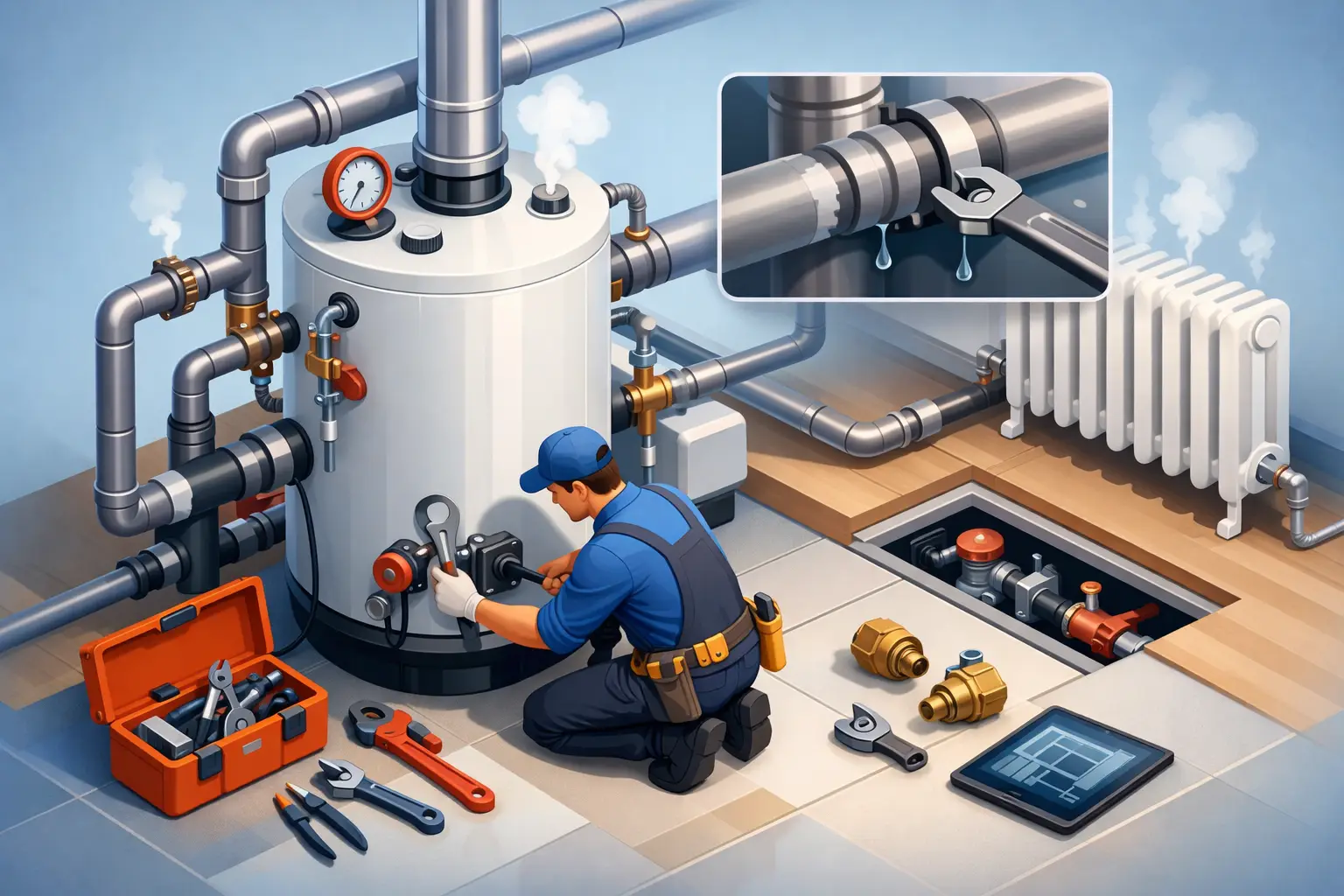
    A burst pipe at 9 p.m., a water heater that quits before the morning rush, or a sump pump that fails in the middle of heavy rain – these are the moments when finding the right local plumber stops being a simple search and becomes a decision that affects your home fast. When the problem is urgent, most homeowners are not comparing marketing slogans. They want someone who answers, shows up, explains the issue clearly, and fixes it the right way.

    That is why choosing a plumber should be about more than who appears first in search results. A good local company brings technical skill, clear communication, and the kind of accountability that comes from serving nearby homeowners year after year. If you live in Hudson or the surrounding Massachusetts communities, it helps to know what separates a dependable plumbing contractor from one that only looks good online.

    Why a local plumber is often the better call

    There is real value in working with a contractor who knows the homes, systems, and seasonal problems common in your area. Older houses may have aging pipes, outdated shutoff valves, legacy heating equipment, or drainage issues that are not unusual locally but can confuse a less experienced provider. Newer homes can have their own set of issues, especially with high-efficiency equipment, water treatment systems, and more complex mechanical layouts.

    A local plumber is also more likely to understand how weather patterns affect plumbing and heating systems. In Massachusetts, frozen pipes, sump pump failures, boiler problems, and no-hot-water calls are not edge cases. They are everyday service realities during certain parts of the year. A nearby company that handles these issues regularly can usually diagnose faster and recommend solutions that make sense for the home, not just the immediate symptom.

    There is also the practical side. Local service often means faster response times, especially during emergencies, and a stronger reason to protect a reputation in the community. When a company serves your neighbors, accountability tends to be higher because the relationship is not one-and-done.

    What to look for when hiring a local plumber

    The first thing to look for is range of experience. Some plumbing companies are fine for a simple faucet repair but may not be the right fit for water heater replacement, boiler work, gas piping, or a larger system issue. Homeowners are usually better served by a contractor who can handle both urgent repairs and long-term upgrades. That matters when a small problem turns out to be part of a bigger one.

    Communication matters just as much as technical skill. A trustworthy plumber should be able to explain what failed, what needs immediate attention, and what can wait. Not every home repair has only one valid solution. Sometimes a repair is the smart move. Other times replacement saves money and frustration over the next few years. A good contractor should walk you through those trade-offs without pressure.

    Availability is another major factor. Plumbing and heating failures do not always happen during business hours. If a company offers emergency service, that can make a big difference when water is actively damaging your home or your heat goes out during cold weather. Even if you hope never to need after-hours service, it is worth knowing that option exists.

    Questions worth asking before you book

    Homeowners do not need to turn a service call into an interview, but a few simple questions can tell you a lot. Ask whether the company handles the type of work you need most often. A clogged drain, a leaking water heater, a failed sump pump, and a boiler issue all require different levels of experience.

    It also helps to ask how the technician will approach diagnosis. The best service providers do not jump straight to replacement without confirming the cause of the problem. If your hot water disappears, the issue could be the water heater itself, a gas supply problem, a failed component, or an installation issue. Good diagnosis protects you from paying for the wrong fix.

    You can also ask what happens if the repair reveals a larger issue. This is common with older homes. A leak behind a wall might uncover corrosion, poor prior work, or code-related concerns. A dependable plumber should be able to explain next steps clearly, including what is urgent and what may be scheduled later.

    Signs you may need more than a basic plumber

    Some home issues cross into heating, gas fitting, or water quality, and not every company is equipped for that. If you are dealing with recurring hot water problems, planning a boiler upgrade, considering a tankless system, or thinking about oil-to-gas conversion, you may need a broader mechanical contractor rather than a narrow plumbing-only provider.

    This is where homeowners can save time by choosing a company with wider residential expertise. If one contractor can repair a leaking pipe, replace a failing water heater, troubleshoot a boiler, and address a sump pump problem, you avoid juggling multiple vendors and conflicting advice. That kind of continuity is especially helpful in older homes where systems often affect one another.

    For example, poor water quality can shorten the life of plumbing fixtures and water-heating equipment. A damp basement may point to both sump pump issues and drainage concerns. A heating complaint might involve the boiler, baseboard loop, radiator venting, or thermostat setup. These are not always isolated problems.

    The cost question homeowners always ask

    Price matters, but the lowest number is not always the best value. A cheap repair that fails quickly, misses the real cause, or creates another issue down the line can end up costing more than a properly handled job from the start. At the same time, homeowners should expect clear explanations and straightforward recommendations, not vague language or inflated urgency.

    The right local plumber will usually be transparent about what you are paying for: diagnosis, labor, materials, replacement parts, and whether a repair is likely to hold or simply buy a little time. That kind of honesty is especially important with major equipment. A water heater near the end of its life may still be repairable, but that does not always make repair the best use of money.

    It depends on the age of the unit, the condition of the system, the cost of the repair, and how reliable you need it to be. For a family that cannot risk losing hot water again next month, replacement may be the better call. For a newer unit with a single failed component, repair may be completely reasonable.

    Why long-term service matters

    Many homeowners start by looking for help with one immediate issue, then realize they would rather have one trusted company for future needs too. That is a smart way to think about home service. Plumbing and heating systems need attention over time, and it is easier when the contractor already knows your home, your equipment, and your priorities.

    Long-term service relationships also make planned improvements easier. Once a company understands your current setup, it can give better guidance on upgrades like high-efficiency boilers, hybrid or tankless water heaters, water filtration, radiant heating, or green plumbing fixtures. Those choices are rarely one-size-fits-all. What makes sense for a growing family may not be the same as what works best for an older home or a household trying to lower utility costs.

    That is one reason many local homeowners prefer a family-owned company with both plumbing and heating experience. A provider like Mass Plumbing & Heating can be a practical fit because homeowners often need more than one specialty over the life of the home, and it is easier to trust recommendations when they come from a team that handles the full picture.

    When to call sooner rather than later

    Some plumbing issues are obvious emergencies, such as active leaks, sewer backups, no heat in freezing weather, or a basement taking on water. Others are easier to put off, but delaying them can make the repair larger and more expensive.

    Low water pressure, slow drains, inconsistent hot water, unusual noises from a boiler or water heater, frequent cycling, damp spots, and small leaks under sinks are all worth addressing early. The same goes for an aging sump pump before storm season. Homeowners sometimes wait because the issue is still manageable, but manageable problems have a way of becoming urgent at the worst possible time.

    A good local plumber does not just react to emergencies. They help you avoid them.

    Choosing the right contractor comes down to trust, capability, and responsiveness. You want someone who treats your home with respect, knows how to solve the problem in front of them, and is prepared for the next one too. When you find that kind of local service, you are not just hiring for a repair. You are building a more reliable home.
  • Choosing a Tankless Water Heater Repair Company

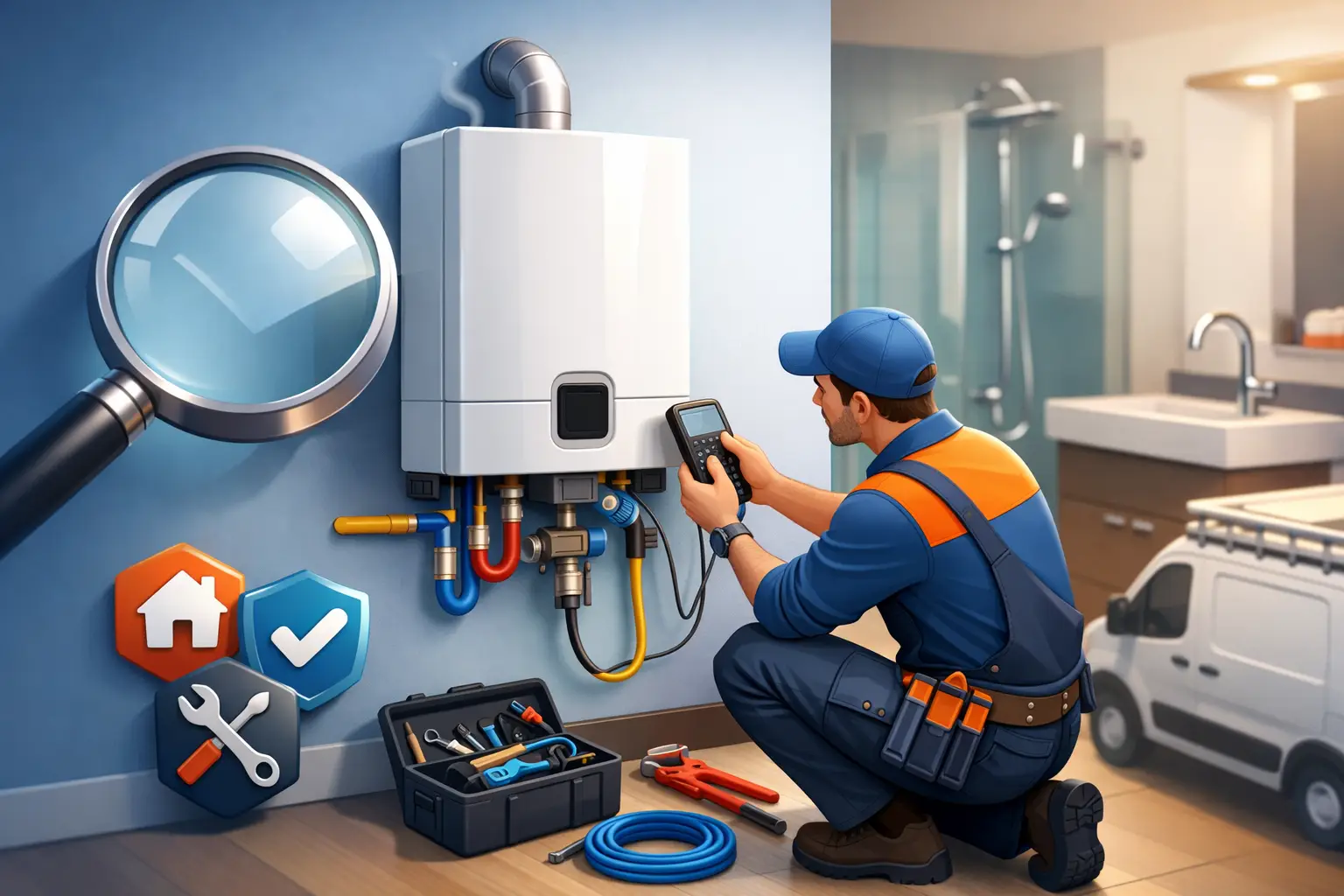
    Choosing a Tankless Water Heater Repair Company

    Hot water problems rarely show up at a convenient time. When your shower goes cold, the unit starts flashing an error code, or you notice inconsistent temperature from one faucet to the next, finding the right tankless water heater repair company becomes the priority fast.

    Tankless systems are efficient and compact, but they are not simple appliances. They rely on burners or heating elements, sensors, venting, gas or electrical supply, water flow, and control boards all working together. When one part is off, the whole system can feel unreliable. That is why repair work on a tankless unit is different from basic water heater service, and why homeowners should be careful about who they call.

    What a tankless water heater repair company should actually handle

    A qualified tankless water heater repair company should do more than reset the unit and hope for the best. Proper service starts with diagnosing the reason the heater failed or began acting up. Sometimes the issue is inside the appliance itself. Other times, the problem comes from something connected to it, such as gas pressure, venting restrictions, mineral buildup, ignition trouble, condensate drainage, or poor water quality.

    That matters because tankless units are sensitive to operating conditions. A system may still turn on while running inefficiently, short cycling, or producing uneven hot water. A rushed visit can miss the root cause, which often leads to repeat breakdowns and more frustration.

    Strong repair service usually includes checking the heat exchanger, burner assembly, ignition components, sensors, filter screens, recirculation settings when present, venting, and system error history. In areas with harder water, scale buildup is one of the most common reasons performance drops. Flushing may help, but it is not a cure for every complaint. If a unit has a failing sensor, blocked vent, bad fan, damaged valve, or combustion issue, a flush alone will not solve it.

    Common signs your tankless unit needs professional repair

    Some failures are obvious. Others build slowly over time. Homeowners often call after noticing the water is hot for a minute, then turns lukewarm. Another common complaint is that one fixture works fine while another does not. Strange noises, delayed ignition, low hot water flow, or recurring error codes are also warning signs.

    It is also worth paying attention to smaller changes. If your system takes longer than usual to deliver hot water, shuts down during peak demand, or struggles in colder weather, the unit may be compensating for an underlying problem. Tankless heaters are designed to respond quickly and consistently. When they stop doing that, something needs attention.

    Leaks should be treated seriously, even if they seem minor. Water around the cabinet can point to internal damage, loose service valves, worn seals, or condensation-related issues. Gas odor, combustion concerns, or venting problems should always be handled right away by a trained professional.

    Why tankless repairs are not the same as standard water heater repairs

    A storage tank water heater and a tankless water heater may serve the same purpose, but the service approach is very different. Tank units are generally more mechanical and straightforward. Tankless systems involve more controls, tighter operating tolerances, and model-specific diagnostic procedures.

    This is where experience matters. A contractor who only occasionally works on tankless equipment may be comfortable replacing a standard tank but less prepared to troubleshoot advanced components. That does not mean every repair is complicated, but it does mean guesswork gets expensive.

    For example, a no-hot-water call could come from a failed igniter, restricted incoming water flow, frozen vent termination, bad flame sensor, scale accumulation, or inadequate gas delivery. Those are very different problems with very different fixes. A company that knows these systems well can narrow the issue down faster and recommend the right repair instead of replacing parts one by one.

    How to choose the right tankless water heater repair company

    The best choice is usually a local company with strong plumbing and heating knowledge, not just general handyman experience. Tankless water heaters sit at the intersection of water, fuel, venting, controls, and overall home system performance. That makes broad technical experience valuable.

    Look for a company that is comfortable with repair, troubleshooting, replacement, and installation. That range matters because sometimes the honest answer is repair, and sometimes it is replacement. If a unit is older, poorly maintained, or facing a major component failure, you want clear guidance on whether the repair is worth the cost.

    Communication matters just as much as technical ability. A dependable contractor should explain what failed, why it happened, what the repair involves, and whether there is anything you can do to help prevent a repeat issue. Homeowners should not be left guessing whether the problem was fixed or simply patched over.

    It also helps to work with a team that offers emergency availability. Hot water loss is not always a disaster, but for many households it becomes urgent quickly, especially in winter or in homes with children, older adults, or multiple bathrooms in daily use. A company that can respond when service cannot wait offers real peace of mind.

    Repair or replace? It depends on the age and condition

    Not every tankless problem means the unit is done. Many issues can be repaired cost-effectively, especially when the heater is otherwise in good shape and the problem is caught early. A faulty sensor, ignition component, service valve issue, or maintenance-related performance problem may be very manageable.

    Still, there are times when replacement makes more sense. If the heat exchanger is compromised, repair costs are climbing, parts are hard to source, or the unit has a history of recurring problems, replacement may be the more practical long-term decision. The age of the system matters too, along with maintenance history and water quality.

    This is where homeowners benefit from straightforward advice. A trustworthy contractor should not push replacement when a repair is reasonable. At the same time, they should not keep reviving an unreliable unit if the money would be better spent on a new system.

    The value of local service for Massachusetts homeowners

    In Massachusetts, seasonal weather adds another layer to tankless water heater performance. Cold incoming water temperatures can affect output, and venting or condensate issues can show up more clearly during winter. Homes in this region also vary widely in age, layout, fuel setup, and plumbing configuration, which means a one-size-fits-all approach rarely works.

    That is one reason many homeowners prefer a local company that understands the area’s housing stock and service conditions. A family-owned contractor like Mass Plumbing & Heating brings that local familiarity along with full-service plumbing and heating experience. When a repair involves not just the unit but the connected home systems around it, that broader skill set matters.

    What homeowners can do before calling for repair

    There are a few simple checks worth making before scheduling service. Confirm the unit has power, check whether a breaker has tripped, and note any error code showing on the display. If your model has an inlet screen or filter that is homeowner-accessible, a clog there may affect performance. You can also check whether more than one fixture is affected.

    That said, tankless units are not good candidates for trial-and-error repairs. Opening the cabinet, adjusting gas-related components, or ignoring venting concerns can make the problem worse or create a safety risk. If the issue is recurring, involves gas, leaks, combustion, or error codes you do not understand, it is time to bring in a professional.

    Preventing future tankless water heater repairs

    Good maintenance does not guarantee a system will never fail, but it can reduce many of the common problems. Annual service is a smart investment, especially for homes with hard water or heavy hot water use. Routine flushing, inspection of burners and sensors, and checking venting and connections can help catch smaller issues before they interrupt your day.

    It is also worth talking with your contractor about water quality. In some homes, scale buildup will continue to be a problem unless the underlying water conditions are addressed. The right recommendation depends on the home, the heater model, and how often the system is used.

    When you need a tankless water heater repair company, the goal is not just getting hot water back for today. It is getting a clear diagnosis, a reliable repair, and honest guidance you can trust the next time something goes wrong.

  • Oil to Gas Conversion for Massachusetts Homes

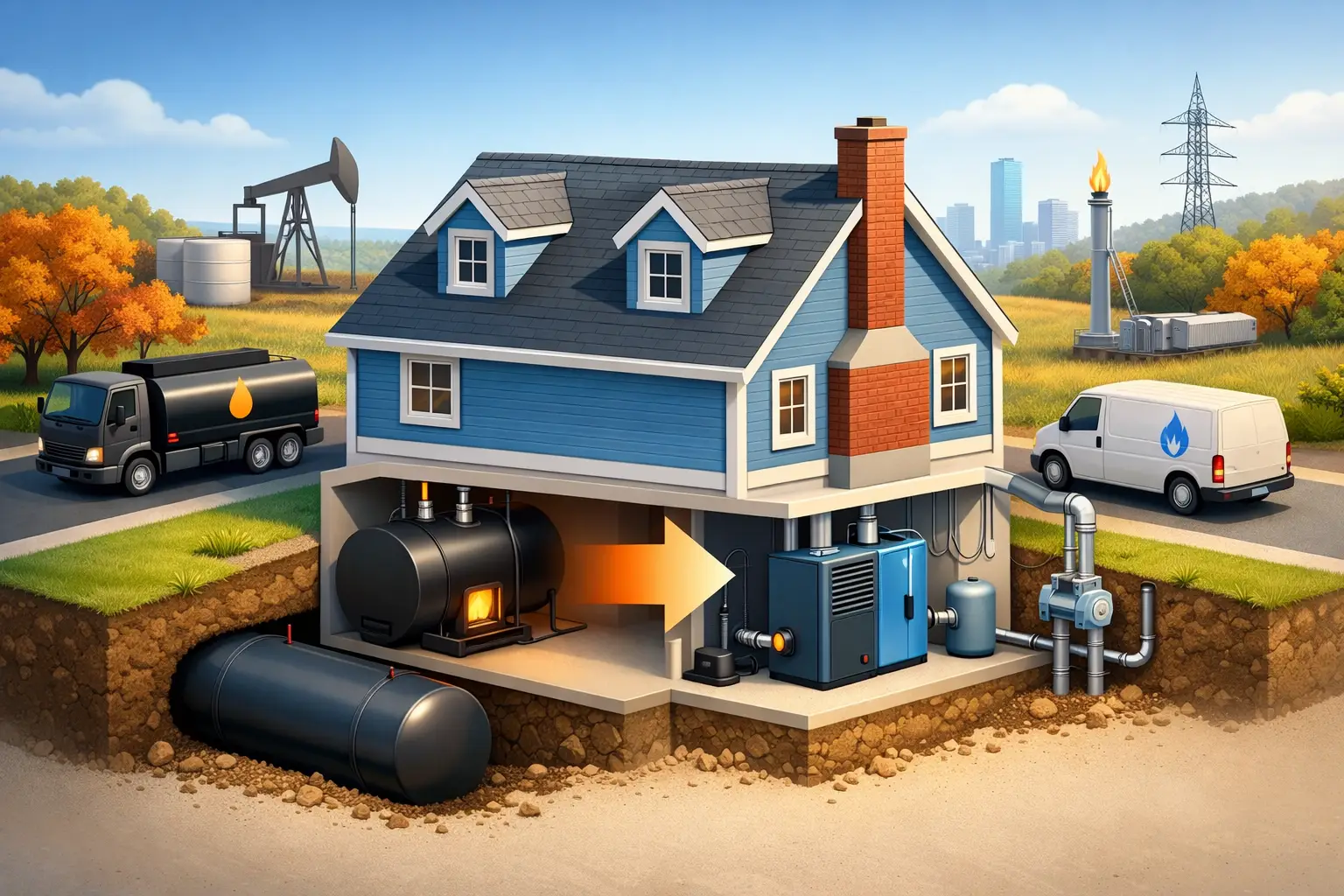
    Oil to Gas Conversion for Massachusetts Homes

    If your oil tank is aging, your boiler needs frequent repairs, or winter fuel bills keep climbing, an oil to gas conversion may be the right time to rethink how your home is heated. For many Massachusetts homeowners, the decision is not just about switching fuels. It is about reliability, cleaner operation, better efficiency, and getting ahead of expensive oil system problems before they turn into emergencies.

    In older homes across Hudson and surrounding communities, oil heat is still common. That means plenty of homeowners are weighing the same question: should you keep repairing an oil-fired system, or invest in a gas upgrade that may serve the house better for years to come? The answer depends on your home, your equipment, and your long-term plans.

    Why homeowners consider oil to gas conversion

    For some households, the push starts with cost. Oil prices can fluctuate more sharply than natural gas rates, and that uncertainty makes budgeting harder. For others, it is the equipment itself. An old oil boiler or furnace may still run, but it can do so inefficiently, noisily, and with more maintenance than most homeowners want to deal with.

    Gas heat appeals to people who want a simpler day-to-day experience. There is no on-site oil storage tank to monitor, no oil deliveries to schedule, and no concern about running out during a cold stretch if deliveries are delayed. Gas systems also tend to burn cleaner, which can mean less soot, less odor, and a cleaner mechanical room overall.

    There is also the upgrade opportunity. An oil to gas conversion often happens when a homeowner is already replacing a boiler, updating heating zones, or improving domestic hot water performance. Instead of putting money into an aging oil setup, many people choose to put that investment toward a new gas-fired system that better matches current efficiency standards.

    What changes during an oil to gas conversion

    Every home is a little different, but the process is more involved than simply swapping one burner for another. In some cases, an existing boiler can be converted with the proper gas conversion burner, but many homes benefit more from replacing older equipment entirely. That is especially true when the boiler is near the end of its service life or when the chimney, controls, and venting setup also need attention.

    A typical conversion may include bringing a gas line to the appliance, installing a new boiler or furnace, updating venting, connecting controls, removing or abandoning old oil components, and making sure the system is sized correctly for the home. If the property has an underground or basement oil tank, that may also need to be addressed as part of the project.

    This is one reason professional evaluation matters. A proper plan is not just about getting gas heat working. It is about making sure the new system is safe, efficient, code-compliant, and appropriate for the house.

    Oil to gas conversion costs: what affects the price

    Homeowners usually want a simple number, but the real answer is that pricing can vary quite a bit. The largest factor is whether gas service is already available at the street and how easily it can be brought into the house. If the gas utility connection is straightforward, the project may be more manageable than expected. If new service work is needed, that can add time and cost.

    The condition of your current heating system also matters. Replacing a very old oil boiler with a high-efficiency gas boiler is a different project than converting a newer oil-fired unit that is otherwise in good shape. Venting requirements can change the scope too. Some high-efficiency equipment uses sidewall venting, while other systems rely on chimney venting that may need a liner.

    Then there is the rest of the heating system. Baseboard heat, radiant heat, steam systems, and domestic hot water needs all influence equipment choice. A home with multiple zones or a combination boiler setup may need a more tailored installation than a smaller, simpler home.

    The good news is that a well-planned conversion can reduce future maintenance issues and improve fuel efficiency, which helps offset the upfront investment over time. Still, it is worth being realistic: this is usually a significant home upgrade, not a minor repair.

    Is natural gas always the better choice?

    Not always, and that is where honest guidance matters. In many homes, natural gas is a practical long-term improvement. But there are cases where the decision is less clear.

    If your oil system is relatively new, operating efficiently, and not causing problems, replacing it immediately may not offer the best return. If gas service is not readily available, installation costs can be high enough that the payback takes longer than expected. Some homeowners also have concerns about future fuel choices and want to compare gas against options like heat pumps before making a final decision.

    That does not mean conversion is a bad idea. It means the best decision should be based on the actual condition of your home and equipment, not on a one-size-fits-all pitch.

    Benefits beyond fuel savings

    People often focus on utility bills, but the value of an oil to gas conversion goes beyond monthly fuel cost. Newer gas systems can improve comfort by heating more consistently and responding better to thermostat calls. If your current oil system struggles to keep up in cold weather, a properly sized upgrade can make the house feel more even and dependable.

    Maintenance can also become easier. Oil systems typically need regular service to address combustion residue and keep components clean. Gas equipment still needs professional maintenance, but the overall experience is often cleaner and less labor-intensive.

    There is also the issue of space and condition. Removing an old oil tank, especially one that is deteriorating or taking up basement room, can be a meaningful improvement on its own. Homeowners who have dealt with tank concerns know that peace of mind matters.

    Choosing the right gas system for your home

    The best replacement system depends on how your home distributes heat. If you have hydronic baseboard, radiant, or steam, a boiler is usually the conversation. If you have ductwork, a furnace may be the better fit. In some homes, a high-efficiency boiler paired with an indirect water heater gives strong overall performance for both heat and hot water.

    System sizing is critical. Bigger is not automatically better. Oversized equipment can short cycle, waste fuel, and create uneven comfort. Undersized equipment can struggle on the coldest days. A proper load calculation, review of your heat emitters, and understanding of your household hot water needs all help shape the right recommendation.

    This is where experience with older Massachusetts homes really matters. Houses in this area often have a mix of original infrastructure and later additions, and the best solution needs to account for that.

    Timing your conversion the smart way

    Waiting until your oil boiler completely fails in January is rarely the ideal approach. Emergency replacements can limit options and put pressure on the decision. If your current system is showing signs of age – rising repair bills, uneven heating, burner issues, or tank concerns – it is worth planning ahead.

    A scheduled conversion gives you more time to evaluate equipment options, understand project scope, and coordinate any fuel service work. It can also reduce the odds of facing a no-heat emergency when temperatures drop.

    For many homeowners, the right time is when the oil system still works but is clearly nearing the point where further repairs stop making financial sense. That is the point where planning usually beats reacting.

    What to ask before moving forward

    Before approving an oil to gas conversion, ask how the new system will be sized, whether your chimney or venting needs changes, what happens with the old oil tank, and whether any gas piping upgrades are required. You should also ask about efficiency ratings, maintenance expectations, and whether the new setup will improve hot water production if that is one of your goals.

    A good contractor should be comfortable explaining the trade-offs in plain language. Some homes are excellent candidates for conversion. Others may need a broader discussion about heating strategy. What matters is getting a recommendation based on your house, not a generic sales script.

    For homeowners in Hudson and nearby communities, working with a company that understands both heating systems and gas piping can make the process more straightforward. That kind of full-service experience helps when a project touches multiple parts of the home.

    An oil to gas conversion is a meaningful upgrade, but the best results come from good planning, honest expectations, and work that fits the home. If your current oil system is becoming more of a burden than a benefit, this may be the moment to move toward a heating setup that feels cleaner, simpler, and more reliable for the winters ahead.

  • Steam Heating System Repair: What to Expect

    Steam Heating System Repair: What to Expect

    When a steam radiator starts banging at 5 a.m. or one room stays cold while the rest of the house overheats, the problem usually does not stay small for long. Steam heating system repair often starts with a symptom that seems minor – noise, uneven heat, or a radiator that will not shut off – but those signs usually point to a system that needs prompt attention.

    Older steam heat can be remarkably durable, especially in Massachusetts homes built to last. But durable does not mean trouble-free. Steam systems rely on proper pressure, pitch, venting, water level, and near-boiler piping. When one part is off, the whole system can feel unreliable. The good news is that many steam problems are repairable without rushing into a full replacement.

    Why steam systems act up

    Steam heat works differently from forced air or hot water heat. A boiler turns water into steam, and that steam moves through piping to radiators. As it gives off heat, it condenses back into water and returns to the boiler. For that cycle to work, air has to leave the system at the right time, water has to return properly, and steam has to travel without fighting against trapped condensate.

    That is why steam systems can become noisy, uneven, or inefficient when components wear out or when piping is no longer draining as it should. A bad air vent, an incorrect boiler pressure setting, a low-water issue, or poor near-boiler piping can all create symptoms that feel bigger than the actual failed part. At the same time, some repairs are simple and some are not. It depends on the age of the system, how it was installed, and whether previous work was done with steam-specific knowledge.

    Common signs you need steam heating system repair

    Some warning signs are obvious. If the boiler will not fire, radiators stay cold, or water is leaking around the boiler, that is a service call. Other issues are easier to ignore, but they still matter.

    Banging pipes, whistling vents, spitting radiator valves, uneven heat between rooms, and a boiler that short cycles are all signs something is off. You may also notice higher fuel bills without better comfort, or a system that seems to run constantly on colder days. If the sight glass shows unstable water levels, that is another clue that the boiler may need attention.

    A steam system should not sound violent or behave unpredictably. Some operational noise can be normal in an older home, but repeated hammering, water spitting, or poor heat distribution usually means the system is not working the way it should.

    The most common steam heat repairs

    Air vent replacement

    Air vents are small parts with a big job. They let air escape so steam can fill the radiator or main properly. When vents fail, radiators may stay cold, heat too slowly, overheat, or spit water. Replacing failed vents is one of the more common repairs, but the vent also has to be the right type and size for the system.

    Pressure control adjustment or replacement

    Steam heat usually runs best at relatively low pressure in residential systems. If the pressuretrol is out of adjustment or not functioning correctly, the boiler may build too much pressure, shut down too often, or create unnecessary noise. High pressure can also wear on vents and other components.

    Low-water cutoff service

    The low-water cutoff is a critical safety control. If it is dirty, malfunctioning, or not being maintained, the boiler may shut down unnecessarily or, worse, fail to protect the boiler when water drops too low. That is not a part to ignore.

    Water feeder and sight glass issues

    If the automatic feeder is overfilling the boiler or not feeding properly, system performance suffers. A clogged or hard-to-read sight glass can also make it difficult to monitor the boiler’s water level. These are practical repairs that can prevent larger problems.

    Boiler flushing and skimming

    Dirty boiler water can cause surging, unstable water lines, and wet steam. In plain terms, that means the system is sending water where it should be sending steam. Flushing or skimming may be needed, especially after recent boiler work or when sediment has built up.

    Piping corrections

    This is where steam systems separate experienced heating contractors from general repair work. If pipes are pitched the wrong way, if returns are clogged, or if near-boiler piping was installed incorrectly, the system may never operate properly until those conditions are corrected. Sometimes the repair is minor. Sometimes it involves more involved repiping near the boiler.

    Why steam heat makes banging noises

    Homeowners usually describe it as banging, knocking, or hammering. In most cases, that noise happens when steam meets pooled condensate in the piping. Water cannot compress like air, so when steam pushes it, the result is a sharp, jarring sound.

    The cause may be a sagging pipe, a radiator that is not pitched correctly, blocked returns, or pressure that is set too high. A radiator vent problem can also contribute. The fix depends on what is creating the trapped water in the first place. That is why guessing can waste time and money. Replacing a vent will not solve hammering caused by pipe pitch, and lowering pressure alone will not fix a return line blockage.

    Repair or replace? It depends on the system

    A lot of homeowners ask the same question: is this worth repairing, or is it time for a new boiler? There is no one-size-fits-all answer.

    If the issue is isolated to vents, controls, feeder problems, or maintenance-related performance issues, repair is often the sensible move. Steam systems can keep going for many years when the boiler block is sound and the piping layout is fundamentally correct.

    If the boiler itself is leaking, badly corroded, unreliable, or dramatically oversized or undersized, replacement may make more sense. The same is true when repeated breakdowns are stacking up and repair costs are starting to chase the cost of a new system. Even then, steam boiler replacement is not just about swapping equipment. The installation details matter. A poorly installed new steam boiler can perform worse than the old one it replaced.

    What to expect during a steam heating system repair visit

    A proper steam service call should start with diagnosis, not assumptions. That means looking at the boiler, the controls, the water line, the venting, and the piping layout, then matching those findings to the symptoms you are seeing in the house.

    In some cases, the repair is straightforward and can be completed on the same visit. In others, the technician may recommend a phased approach: fix the immediate problem first, then address performance issues that are shortening system life or hurting comfort. That can be the right move for homeowners who need reliable heat now but also want a clear plan for longer-term improvements.

    You should also expect honest communication. Steam systems have quirks, especially in older homes. A good contractor will explain whether the issue is a failed part, deferred maintenance, an installation defect, or a sign of broader boiler aging. That context matters because it helps you make a practical decision instead of reacting to the moment.

    When to call right away

    Some steam heat problems should not wait. If you smell gas, shut off the area if it is safe to do so and call for immediate service. If the boiler is leaking heavily, the system has stopped heating during freezing weather, or the low-water condition will not clear, that is also urgent.

    Frequent boiler shutdowns, electrical issues, and water appearing around controls are good reasons to call promptly as well. Steam boilers combine fuel, heat, water, and pressure. Even when the problem turns out to be manageable, it is not a system to treat casually.

    Preventing future steam repairs

    Steam heat rewards maintenance. Annual service can catch dirty controls, vent problems, water quality issues, and early wear before they become mid-winter breakdowns. It also helps the system heat more evenly and operate more efficiently.

    Homeowners can help by paying attention to changes. If a radiator starts spitting, a new noise shows up, or the water level in the sight glass behaves differently, do not wait for a full failure. Small symptoms are often the first warning that a larger repair is coming.

    For older homes in Hudson and surrounding Massachusetts communities, experienced steam service matters. Steam is its own category, and not every heating contractor approaches it with the same level of care. Mass Plumbing & Heating understands that homeowners want more than a quick fix – they want dependable heat, clear answers, and repairs that solve the actual problem.

    If your steam system is trying to tell you something, it is usually better to listen early. A quieter boiler, balanced radiators, and reliable heat through the coldest weeks of winter are often the result of timely repair, not luck.

  • Baseboard Heating Not Working? Start Here

    Baseboard Heating Not Working? Start Here

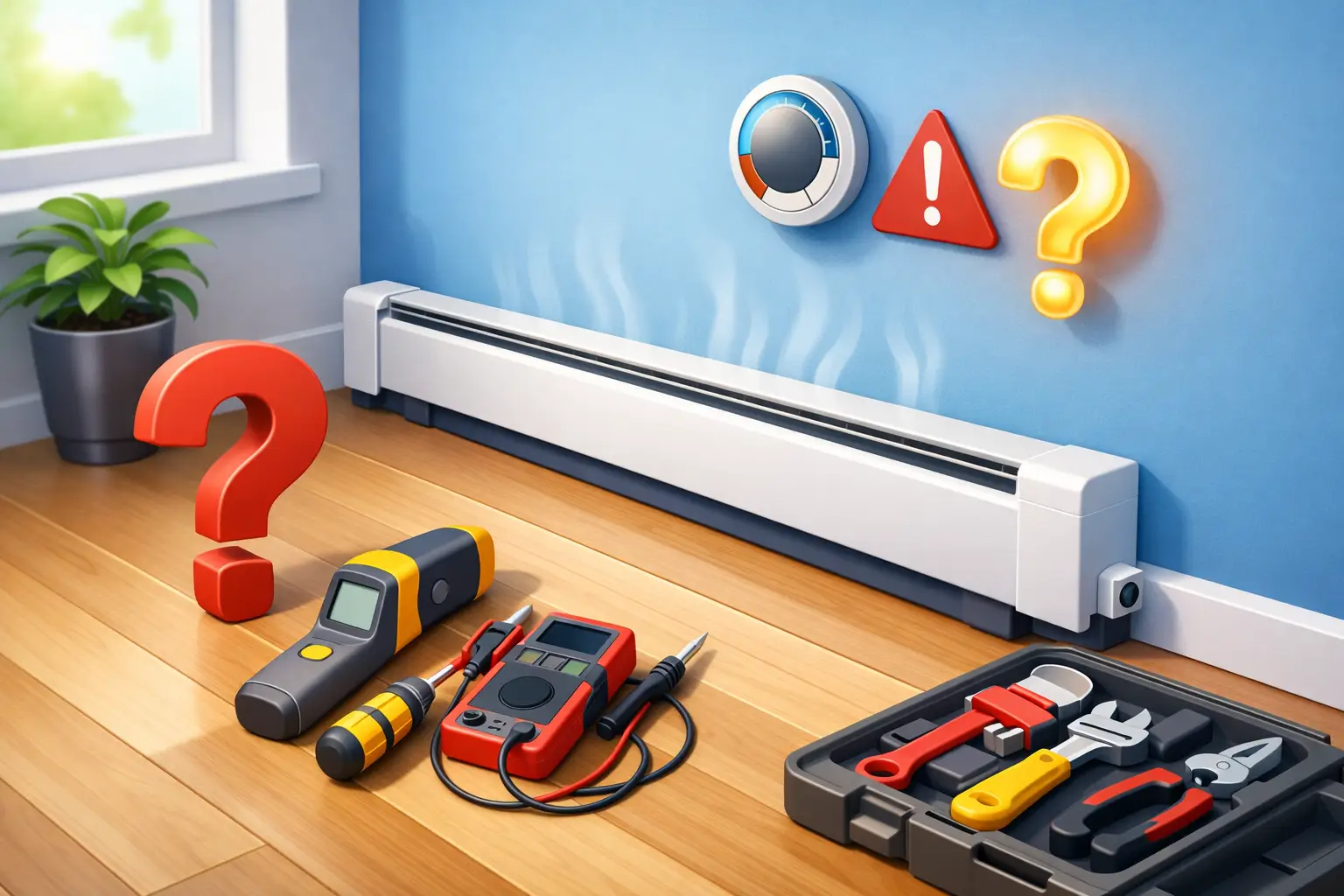
    A cold room in the middle of winter usually tells you something before your thermostat does. If your baseboard heating not working issue starts in one room or affects the whole house, the cause may be simple – or it may point to a problem that needs professional repair before it gets worse.

    Baseboard heat is dependable, but it is still part of a larger heating system. In many Massachusetts homes, hot water baseboard heat depends on the thermostat, boiler, circulator, zone valve, piping, and the baseboard units themselves all working together. When one part stops doing its job, the room stays cold.

    Why baseboard heating stops working

    The first thing to know is that not every baseboard problem has the same source. Sometimes the issue is limited to a single room. Other times, the entire zone is affected. That difference matters because it helps narrow down whether you are dealing with a thermostat issue, a circulation problem, trapped air, or a boiler-related failure.

    If only one room is cold, the problem is often local to that section of the system. A stuck zone valve, air in the line, a closed valve, or a blocked baseboard can all reduce heat output. If the whole house has little or no heat, the problem may be centered at the boiler, circulator pump, aquastat, or thermostat controls.

    Hydronic baseboard systems are efficient and comfortable, but they do not respond instantly. Homeowners sometimes think the heat is not working when the system is actually warming up slowly. That said, if the baseboards stay cold after the thermostat has been calling for heat for a while, it is time to troubleshoot.

    Baseboard heating not working in one room

    When baseboard heating not working shows up in a single room, that usually points to a restricted flow problem rather than a complete system shutdown. The baseboard unit may be receiving little hot water or no hot water at all.

    Start with the obvious. Make sure the thermostat is set correctly and that the room has not been isolated by a zone setting. If your home has separate heating zones, one thermostat can be working while another is not. A simple programming issue or dead batteries in the thermostat can interrupt the call for heat.

    Next, look at the baseboard itself. Furniture, rugs, toys, or heavy dust buildup can interfere with airflow and make the unit feel ineffective. Hydronic baseboard heat needs clear space around it to move warm air into the room. A blocked unit may still be hot, but the room will stay cool.

    If the baseboard is cool to the touch, trapped air in the line is another common cause. Air pockets can stop hot water from circulating properly, especially after system repairs or seasonal startup. In some homes, bleeding the line may resolve the issue. In others, air in the system keeps coming back because of a pressure problem, an expansion tank issue, or a leak.

    A stuck zone valve can create similar symptoms. The thermostat calls for heat, but the valve does not open enough to let hot water through. Homeowners may hear the boiler running and assume everything is fine, even while one zone stays cold.

    What to check before calling for service

    There are a few safe checks homeowners can make before scheduling a repair. These steps can help you narrow down the issue without taking apart the system.

    Check the thermostat first. Raise the setting several degrees above room temperature and listen for a response. If nothing happens, replace the batteries if the thermostat uses them and confirm the settings are correct.

    Then check whether the boiler is operating. If the boiler is off, showing an error code, or has lost pressure, that can affect every zone in the home. Low boiler pressure in a hydronic system can prevent water from circulating where it needs to go.

    Walk through the house and compare rooms. If some zones are heating and others are not, the issue is likely not the boiler itself. That points more toward a zone valve, circulator problem, or air in one part of the system.

    Take a quick look at the baseboard covers too. Bent fins, dirt buildup, and blocked openings can reduce performance more than many people expect. Cleaning the units carefully can improve heat output, especially in older homes.

    What you should not do is force valves, disassemble controls, or keep resetting the boiler repeatedly. Those steps can create bigger problems and make the original issue harder to diagnose.

    Common mechanical causes behind no heat

    When the quick checks do not solve the problem, the system usually needs a closer look. Several components commonly cause baseboard heat failures.

    A faulty circulator pump can stop hot water from moving through the loop. In that case, the boiler may still fire, but the heat never reaches the rooms. This often shows up as a hot boiler and cold baseboards.

    Zone valve failure is also common in homes with multiple thermostats. If the valve motor fails or the valve sticks, one part of the house may not get heat even though the rest of the home does.

    Air trapped in the lines can create uneven heating, gurgling sounds, or completely cold sections of baseboard. Bleeding the system may help, but if the air returns, the underlying pressure balance needs attention.

    Sludge or mineral buildup in older piping can also reduce circulation. This tends to happen gradually. One winter the room feels a little cooler than usual, and by the next season the baseboard barely warms up.

    The boiler itself may be the problem as well. Ignition issues, aquastat problems, low water pressure, or control failures can all interrupt heat delivery. In that case, the baseboard units are not the root cause – they are just where you notice the symptoms.

    When the problem is urgent

    Some heating problems can wait a day or two. Others should be treated as urgent, especially during a New England cold snap.

    If you have no heat throughout the house, hear banging or hissing from the system, notice leaking around the boiler or piping, smell gas, or see pressure dropping quickly, it is best to have the system inspected right away. Homes with children, older adults, or finished basements are especially vulnerable when heat fails unexpectedly.

    Frozen pipe risk is another reason not to wait too long. A heating issue that starts with one cold zone can sometimes spread if the boiler or circulation system is struggling. The longer the home stays underheated, the more likely it is that plumbing in exterior walls or unconditioned areas could be affected.

    Repair or replace?

    Not every baseboard heating issue means you need a full system replacement. In many cases, the repair is straightforward – a thermostat replacement, system purge, circulator repair, or zone valve replacement can restore normal heat.

    Still, age matters. If your boiler is older, repairs have become frequent, and some rooms never heat evenly, a bigger conversation may make sense. Older hydronic systems can often be improved with updated controls, circulation upgrades, or high-efficiency boiler replacement. The right choice depends on the condition of the equipment, the cost of repairs, and how well the system has been heating the home overall.

    That is where an experienced local heating contractor can help. A good diagnosis should explain not just what failed, but why it failed and whether the fix is likely to last.

    Getting reliable heat back

    Baseboard heat is one of the more comfortable ways to warm a home, but it works best when every part of the system is maintained and responding properly. If your baseboards are cold, one room is lagging behind, or the boiler seems to be running without delivering heat, the problem usually will not correct itself.

    For homeowners in Hudson and surrounding Massachusetts communities, Mass Plumbing & Heating sees these issues regularly in both older and newer systems. Sometimes the answer is simple. Sometimes it takes a deeper system diagnosis. Either way, the goal is the same – restore safe, steady heat without guesswork.

    If your home is not heating the way it should, trust what the cold room is telling you. Catching a small baseboard problem early is often the easiest way to avoid a much bigger heating repair later.

  • Radiant Floor Heating Installation Basics

    Radiant Floor Heating Installation Basics

    Cold spots are easy to ignore until you step onto tile on a January morning. That is usually when homeowners start asking whether radiant floor heating installation is worth it. In many homes, it is. The comfort is different from forced air or baseboard heat, and when the system is designed correctly, the room feels evenly warm from the ground up.

    Radiant heat is not a one-size-fits-all upgrade, though. The right setup depends on the room, the flooring, the heat source, and how much access there is during the project. If you are planning a remodel, building an addition, or replacing an older heating system, it helps to understand what the installation really involves before you commit.

    What radiant floor heating installation actually includes

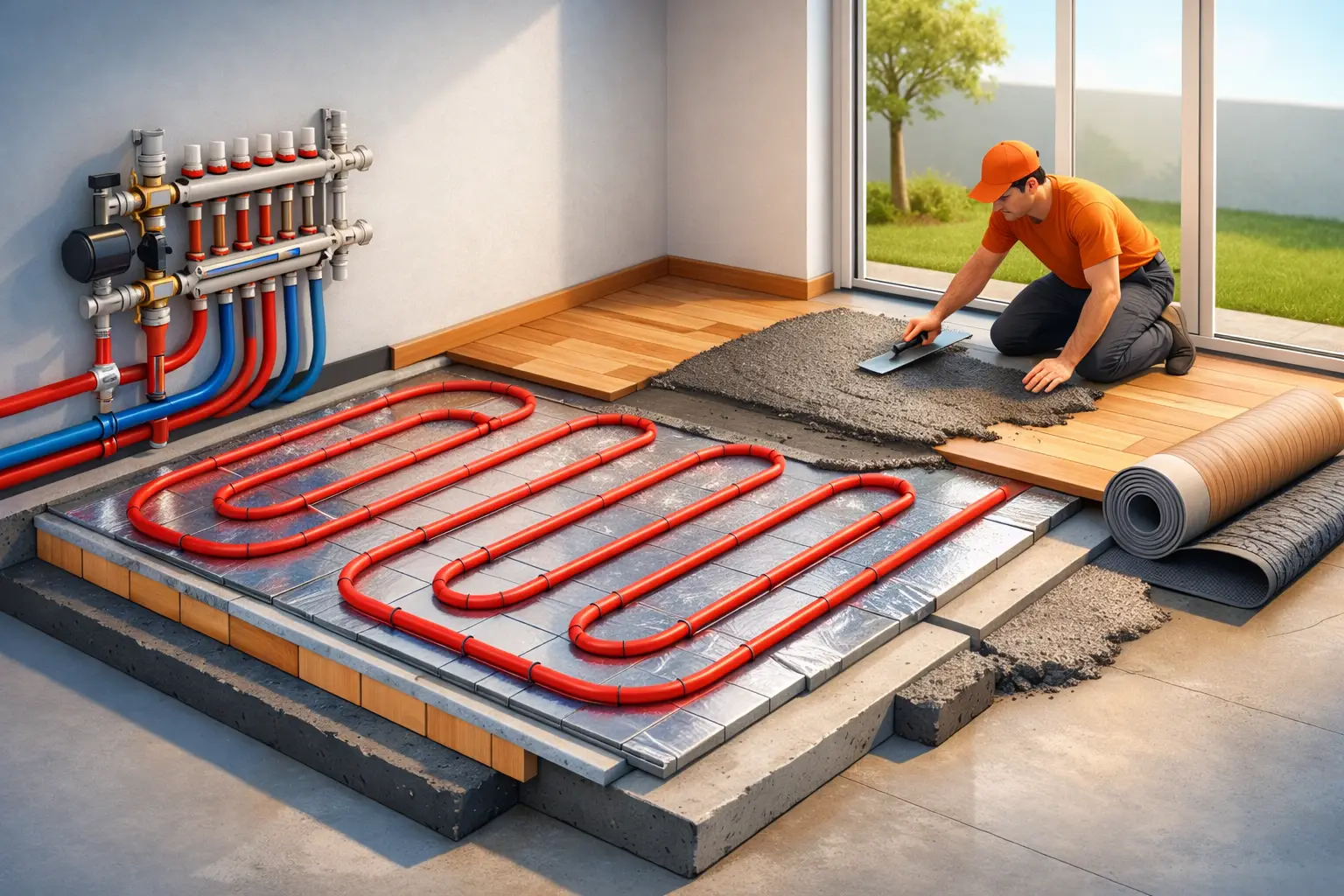
    Most homeowners picture warm floors and stop there. The installation side is where the real decisions happen. A radiant floor system uses either electric heating elements or hydronic tubing beneath the floor surface. Electric systems rely on cables or mats. Hydronic systems circulate warm water through flexible tubing, usually supplied by a boiler.

    For a small bathroom or kitchen remodel, electric radiant heat can make sense. It is often simpler to install in a limited area and works well as a comfort upgrade. For larger spaces or whole-home applications, hydronic radiant systems are usually the better long-term solution because they are more efficient to operate at scale.

    A proper installation also includes insulation, controls, thermostat placement, floor assembly planning, and load calculations. If those pieces are skipped or rushed, the finished system may heat unevenly, respond too slowly, or cost more to run than expected.

    Where radiant floor heat works best

    Bathrooms are the most common starting point, and for good reason. Tile holds heat well, the room size is manageable, and the comfort difference is noticeable right away. Kitchens, mudrooms, basements, and primary suites are also strong candidates.

    Whole-home radiant heat is possible, but it takes more planning. In an existing house, floor height, subfloor condition, and available mechanical space all matter. Some homes can support a full hydronic system with minimal disruption. Others are better suited for targeted zones in the rooms used most often.

    That is one of the biggest trade-offs with radiant floor heating installation. The comfort is excellent, but access matters. Installing it during new construction or a major renovation is usually more straightforward than retrofitting it under finished flooring throughout a lived-in home.

    Electric vs. hydronic: which system makes sense?

    There is no universal winner. The right choice depends on your goals.

    Electric radiant heat is often attractive because the installation can be faster and less invasive in a single room. It is commonly used under tile and works well when you want warm floors without changing the home’s main heating system. The downside is operating cost. In Massachusetts, electric resistance heat is usually more expensive to run than hydronic heat for larger areas.

    Hydronic radiant heat takes more planning up front, but it offers better efficiency for bigger spaces and full-home systems. It pairs well with high-efficiency boilers and can be designed in zones so different rooms heat according to how they are used. The installation is more involved, and that means higher upfront cost, but for many homeowners the long-term performance is worth it.

    Flooring matters more than most people think

    Not every floor covering transfers heat the same way. Tile and stone are ideal because they conduct and retain heat well. Engineered wood can also perform nicely when the product is approved for radiant applications. Concrete is another strong option, especially in basements or slab homes.

    Solid hardwood needs more caution because changes in temperature and moisture can affect expansion and contraction. Carpet can work, but thick padding reduces heat transfer and can make the system less responsive. Vinyl and laminate products vary, so the manufacturer’s temperature limits need to be checked before installation begins.

    This is where experience matters. A radiant system should be planned around the finished floor, not added as an afterthought. If the flooring, underlayment, and heat output are not matched correctly, the room may never perform the way you expect.

    What the installation process looks like

    The first step is evaluating the space. That means looking at the room size, insulation levels, existing heating equipment, subfloor condition, and what kind of flooring will go above the system. For hydronic systems, the boiler capacity and distribution design also need to be reviewed.

    Next comes system design. Tubing or heating mats must be laid out to deliver even heat without overheating certain areas or leaving gaps near exterior walls. Thermostats and sensors need practical placement. In hydronic systems, zoning, manifold location, and water temperature control are key parts of the plan.

    Then the floor assembly is built. Depending on the method, tubing may go into a slab, under the subfloor, within a panel system, or in a thin layer beneath the tile or finished surface. Electric systems are often embedded in thinset or self-leveling material. Hydronic systems may require sleepers, plates, panels, or overpour methods.

    After that, the system is tested before the final floor goes down. This step should never be skipped. Catching a problem before the finished flooring is installed is far easier than opening the floor later.

    Cost depends on scope, not just square footage

    Homeowners naturally ask about price first, but radiant floor heating installation is one of those projects where the range can be wide. A small electric bathroom floor costs far less than a hydronic system serving multiple rooms. The flooring type, access, electrical work, boiler setup, controls, and finish carpentry all affect the final number.

    Retrofits often cost more than planned installations because more demolition and adjustment are involved. Floor height transitions may need to be addressed. Existing boilers may need upgrades. In some homes, adding radiant heat makes sense only in selected rooms, while in others it is practical to build it into a broader heating upgrade.

    The important thing is to compare cost against the result you want. If your goal is luxury-level comfort in a primary bathroom, a smaller electric system may be perfect. If your goal is efficient, even heat across a first floor addition, hydronic radiant may be the better investment.

    Common mistakes to avoid

    The most common problem is poor design. Homeowners sometimes assume radiant heat will overcome drafty construction or weak insulation. It will not. If the room loses heat too quickly, the system may struggle no matter how well it is installed.

    Another mistake is choosing the system based only on upfront cost. A cheaper install is not always a better value if the operating cost is high or the system does not fit the space. Flooring compatibility is another issue. Beautiful new floors can become a problem if the product is not suitable for radiant heat.

    Control strategy matters too. Radiant heat responds differently than forced air. It is steady and comfortable, but not always fast. Smart scheduling and proper zoning make a big difference in day-to-day comfort.

    Is radiant heat worth it in Massachusetts?

    For many homeowners, yes. Winters here are long enough that comfort improvements get noticed quickly. Radiant heat also works well in spaces that tend to feel chilly, like bathrooms over unheated areas, basement floors, and rooms with lots of tile or stone.

    It is especially worth considering during renovations, additions, or heating system replacements. That is when access is easiest and system choices can be made as part of a larger plan. A trusted local expert can help you decide whether a small targeted system or a larger hydronic design makes more sense for your home.

    Mass Plumbing & Heating works with homeowners who want practical heating upgrades, not guesswork. The best radiant projects start with clear expectations, a realistic design, and an installation approach that fits the house.

    If you are thinking about warm floors, start by asking the right question. Not just can radiant heat be installed here, but should it be, and what kind of system will actually serve the room well for years to come. That answer leads to a much better result than chasing the idea of warm floors alone.

  • High Efficiency Boiler Installation Guide

    High Efficiency Boiler Installation Guide

    When winter heat starts feeling uneven, fuel bills keep climbing, or an older boiler needs another expensive repair, high efficiency boiler installation moves from a nice upgrade to a practical decision. For many homeowners in Hudson and surrounding Massachusetts communities, the question is not whether a newer boiler can save energy. It is whether the system will actually fit the home, the budget, and the way the family uses heat every day.

    That is the right question to ask, because a boiler upgrade is not just about swapping one box for another. The best results come from matching the equipment to the house, the existing piping, and the type of heat already in place. A properly planned installation can improve comfort, reduce fuel use, and cut down on surprise service calls. A rushed installation can leave money on the table.

    What high efficiency boiler installation really means

    A high efficiency boiler is designed to capture more usable heat from the fuel it burns. Standard older boilers send a larger share of that heat out through the venting system. High efficiency models are built to extract more from each heating cycle, which is why they often carry AFUE ratings in the mid-90% range.

    For homeowners, that higher efficiency shows up in a few real-world ways. You may see lower heating costs, quieter operation, and more consistent indoor temperatures. In many homes, especially those with an aging oil or gas boiler, the difference is noticeable during the first full heating season.

    Still, efficiency ratings are only part of the story. A high efficiency boiler performs best when the whole installation is handled correctly. That includes system sizing, venting, condensate drainage, piping layout, controls, and startup. Even a top-tier boiler can underperform if those pieces are overlooked.

    Is your home a good candidate for high efficiency boiler installation?

    In many Massachusetts homes, the answer is yes, but the details matter. Homes with baseboard heat, radiant heat, or certain hydronic systems are often strong candidates. If your current boiler is older, unreliable, oversized, or expensive to run, replacement may make sense sooner than you think.

    The biggest factor is how your heat is distributed. High efficiency boilers tend to shine in systems that can run with lower water temperatures for longer periods. Radiant heating is a great match. Baseboard systems can also work very well, depending on design and load. Some older homes with steam heat may require a different approach, since not every high efficiency boiler is a fit for every distribution system.

    Fuel type matters too. If you are replacing an older gas boiler, the transition may be fairly straightforward. If you are considering an oil-to-gas conversion at the same time, the project becomes a little bigger but can also create long-term value. That is where working with a contractor who understands both heating equipment and gas fitting becomes especially important.

    Why proper sizing matters more than boiler brand

    Homeowners often start by asking which brand is best. Brand matters, but sizing matters more.

    A boiler that is too large can short cycle, meaning it turns on and off too often. That wastes energy, adds wear, and can make indoor temperatures less stable. A boiler that is too small may struggle during the coldest stretches of winter. The right size depends on the home’s heat loss, insulation levels, windows, layout, and heating distribution system.

    That is why a professional heat loss calculation is such a key part of high efficiency boiler installation. It replaces guesswork with actual numbers. In older New England homes, especially ones that have been renovated over time, assumptions can be misleading. An accurate load calculation helps prevent overpaying for equipment you do not need and underheating the home when you need it most.

    What happens during the installation process

    A quality boiler installation starts well before the old unit comes out. The contractor should evaluate the home, inspect the existing heating system, confirm venting options, and look at gas supply or fuel connections, drainage, electrical needs, and control compatibility.

    Once the system design is confirmed, the old boiler is removed and the new one is set in place. Piping may be updated or reconfigured to support proper flow and zoning. Venting is installed according to manufacturer requirements and local code. Because high efficiency boilers produce condensate, the system also needs a safe way to drain that moisture.

    Controls are another big part of the job. Outdoor reset controls, thermostats, and zone controls can make a major difference in performance. These features help the boiler adjust output based on outdoor conditions and indoor demand instead of running harder than necessary all the time.

    After installation, startup and testing should not be treated like an afterthought. The system needs to be filled, purged of air, checked for leaks, combustion-tested, and fine-tuned. Homeowners should also get a clear explanation of how the system operates and what routine maintenance will be needed.

    The trade-offs homeowners should know upfront

    High efficiency equipment is not automatically the right fit in every situation. The fuel savings can be excellent, but the upfront investment is usually higher than a standard-efficiency replacement. If your current system has major piping issues, venting limitations, or distribution problems, the full project cost may be higher than expected.

    Maintenance is another honest consideration. High efficiency boilers are advanced systems. They need regular service to stay clean, safe, and efficient. For most homeowners, that is a reasonable trade-off for lower operating costs and better comfort. Still, it is better to go in with clear expectations.

    There is also the question of lifespan versus usage. If you plan to stay in your home for years, the value of better efficiency and reliability is easier to justify. If a move is likely in the near future, the decision may depend more on the condition of the current boiler, local resale expectations, and whether repeated repairs are becoming a pattern.

    How much can you save?

    Savings depend on the age of the boiler being replaced, the fuel source, the quality of the installation, and how well the rest of the home holds heat. Replacing a very old boiler with a modern high efficiency model can lead to meaningful reductions in heating costs, but exact numbers vary from house to house.

    A home with poor insulation or major air leaks may still benefit from a new boiler, but the gains may not be as dramatic as they would be in a tighter home. On the other hand, if your current boiler is oversized, inefficient, or struggling to maintain temperature, the combination of better equipment and better controls can make a noticeable difference in both comfort and cost.

    Homeowners should also ask about available rebates or incentives. Depending on the equipment and utility programs, these can help offset part of the upfront investment.

    Choosing the right contractor matters

    Boiler installation is one of those jobs where workmanship has a direct effect on daily comfort. The right contractor should be comfortable evaluating the entire heating system, not just the appliance itself. That includes hydronic piping, venting, controls, combustion setup, and any related plumbing or gas work.

    Clear communication matters just as much. Homeowners should know what equipment is being recommended, why it fits the home, what changes will be made to the system, and what maintenance will be expected afterward. A dependable local company should also be able to respond if something needs adjustment once the heating season gets underway.

    For families who want one trusted provider for both planned upgrades and urgent service, that broader support can make a real difference. Companies like Mass Plumbing & Heating work with homeowners who need practical answers, reliable workmanship, and service that does not disappear after installation day.

    When it makes sense to replace instead of repair

    Sometimes a repair is still the smart move. If the boiler is relatively new and the problem is isolated, fixing it may be the most cost-effective option. But if the unit is aging, parts are getting harder to find, and breakdowns are becoming more frequent, replacement often becomes the better financial decision.

    A good rule of thumb is to look at the full picture. Consider the age of the system, annual repair costs, fuel bills, comfort issues, and whether the boiler still matches the home’s needs. If you are already facing a major repair on a boiler near the end of its service life, putting that money toward a new high efficiency system can be the more practical long-term move.

    A new boiler should make your home feel more comfortable, not more complicated. If you are weighing the next step, the best place to start is with a careful evaluation of the system you have, the heat your home actually needs, and the kind of reliability you want when the temperatures drop.

  • Boiler Repair Near Me: What to Look For

    Boiler Repair Near Me: What to Look For

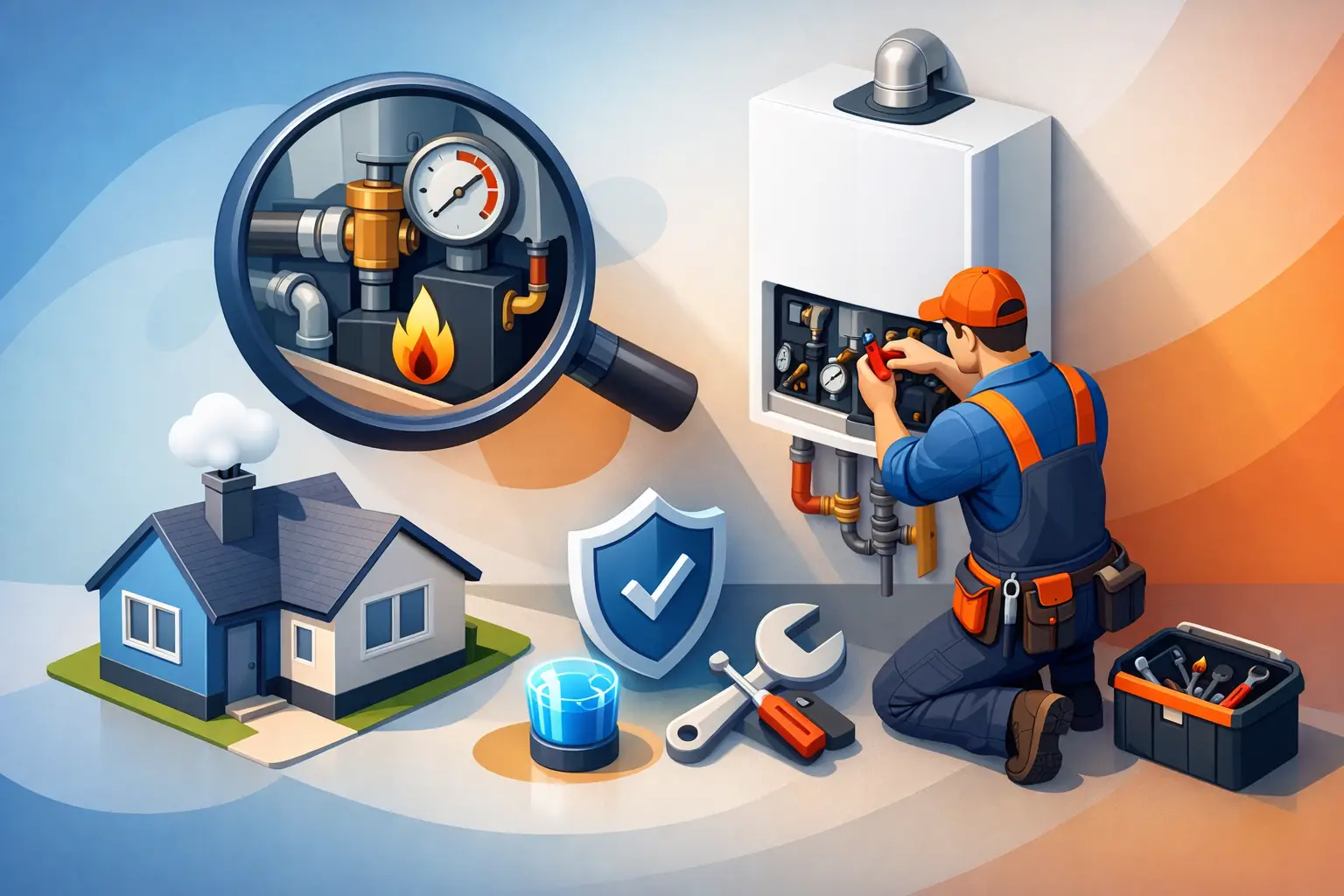
    When your heat cuts out on a cold Massachusetts morning, typing boiler repair near me is usually not part of the plan. It happens when the house feels chilly, the thermostat keeps climbing, and you need a real fix quickly – not guesswork, not a long wait, and not a temporary patch that fails again next week.

    A boiler problem can start small. You might hear banging in the pipes, notice one room staying cold, or see the system cycling on and off more than usual. Other times, it is obvious right away. No heat. Leaking water. An error code on the unit. In every case, the goal is the same: restore safe, steady heat and make sure the problem is handled correctly.

    Why a local boiler repair company matters

    When homeowners search for boiler repair near me, they are usually looking for speed. That makes sense, but speed is only part of the job. Boilers are not one-size-fits-all systems. Homes in Hudson and surrounding communities may have hot water boilers, steam boilers, baseboard heat, radiant systems, or older heating setups that need more than a generic service call.

    A truly local company is more likely to understand the types of systems common in the area, the winter demand those systems face, and the practical issues that come with older New England homes. That local experience matters when diagnosing uneven heat, pressure problems, air in the lines, circulator failures, zone control issues, or aging components that have been working hard for years.

    There is also a difference between a contractor who handles only part of the problem and one who understands the full heating and plumbing picture. Some boiler issues show up as leaks, pressure loss, poor water circulation, or expansion tank trouble. A company with both plumbing and heating expertise can often identify the root cause faster and recommend the right repair instead of just treating the symptom.

    Signs you may need boiler repair near me

    Not every heating issue means the boiler itself has failed, but several warning signs should not be ignored. If your radiators or baseboards are warm in some places and cold in others, the system may have circulation or zoning problems. If the boiler keeps shutting off before the house reaches the set temperature, there could be an issue with controls, sensors, pressure, or ignition.

    Unusual noises are another common clue. Kettling, banging, whistling, or gurgling can point to trapped air, mineral buildup, or water flow problems. A sudden increase in heating bills may also signal that the boiler is working harder than it should because of worn parts or reduced efficiency.

    Leaks deserve prompt attention. Even a small amount of water around the boiler can lead to bigger damage if it is left alone. The source might be a valve, fitting, pump, relief component, or internal issue within the unit. Water and heat equipment do not improve with time, so this is one of those situations where waiting often costs more.

    If you smell gas, shut off the system if it is safe to do so, leave the area, and call for immediate professional help. Safety always comes first.

    What a good boiler diagnosis should include

    A proper repair starts with a proper diagnosis. That sounds simple, but homeowners often run into the opposite – a fast opinion before the system has really been checked. With boilers, the details matter.

    A technician should look at more than whether the boiler turns on. They should evaluate pressure, temperature response, venting, safety controls, ignition components where applicable, pumps, valves, thermostat communication, and how the heat is moving through the home. If your house has multiple zones, that should be part of the inspection too.

    Older systems deserve extra attention. In many homes, the boiler may still be solid while surrounding components are wearing out. In others, repeated repairs may be a sign that replacement is becoming the better long-term choice. The right answer depends on the age of the equipment, the condition of the parts, the cost of repair, and how reliably the system has been running.

    That is why honest communication matters. Homeowners should know whether a repair is expected to solve the issue cleanly, whether more problems may follow, and when it makes sense to start planning for replacement instead of continuing to invest in an aging unit.

    Repair or replace? It depends on the system

    This is one of the most common questions after a breakdown, and there is no universal rule. If the problem is isolated – such as a faulty circulator, air elimination issue, thermostat problem, or replaceable control component – repair is often the sensible path. A well-built boiler with many good years left can absolutely be worth fixing.

    On the other hand, if the system is older, parts are becoming harder to source, efficiency has dropped, and service calls are becoming more frequent, replacement may save money and frustration over time. The same is true if the heat has been uneven for years or if the current setup no longer fits the home well.

    For some homeowners, energy performance becomes part of the decision. High-efficiency boiler options can lower fuel use, but the payoff depends on the existing system, the home’s heat load, and how long you plan to stay in the house. A trustworthy contractor should be willing to explain the trade-offs clearly rather than push one answer for every home.

    What to expect from a professional service visit

    A good boiler repair visit should leave you with clarity, not confusion. You should know what failed, why it failed, what was done to correct it, and whether any follow-up is recommended. If a part needs to be ordered or a larger repair is required, the next steps should be explained in plain language.

    Professional service also means respecting the home. Homeowners notice the basics – arriving prepared, communicating clearly, working neatly, and treating the situation with urgency when heat is out. That matters just as much as technical skill, especially when you are dealing with a cold house, family schedules, or a problem that showed up at the worst possible time.

    This is one reason many homeowners prefer working with a local family-owned company. The relationship tends to be more accountable. You are not just another ticket in a distant dispatch system. You are calling a nearby team that understands the area and has built its reputation on showing up and doing the work right.

    How to choose the right company when heat is down

    When you are cold, it is easy to choose the first name that appears in a search. A better approach is to look for a company that offers true repair experience with boilers, not just general HVAC service. Ask whether they work on your type of system, whether they provide emergency response, and whether they can handle related issues involving piping, valves, expansion tanks, or controls.

    It also helps to choose a contractor who can support you beyond the immediate repair. If the fix reveals a larger issue, can they take care of the full system? Can they advise on maintenance, efficiency improvements, or eventual replacement? That kind of continuity saves time and reduces the chance of piecing together solutions from multiple providers.

    For homeowners in this area, working with a trusted local expert like Mass Plumbing & Heating can make that process a lot more straightforward. Broad plumbing and heating knowledge matters when the problem is not obvious at first glance and the goal is not just restoring heat today, but keeping the system dependable through the rest of the season.

    Preventing the next boiler breakdown

    No repair can guarantee that an older system will never have another issue, but regular maintenance gives you a much better chance of catching wear before it turns into a no-heat call. Annual service can help identify pressure irregularities, venting concerns, dirty components, circulator wear, and safety control issues before they become urgent.

    Homeowners can also pay attention to changes during the heating season. If the system sounds different, heats less evenly, or starts needing thermostat adjustments that were never necessary before, those are early signs worth checking. Small changes often come before bigger failures.

    The best time to address boiler concerns is usually before the coldest stretch of winter arrives. But when a problem does hit unexpectedly, local help still matters. You want a company that can respond quickly, diagnose the issue properly, and give you practical guidance you can trust.

    When you search boiler repair near me, you are really asking a simple question: who can get my home warm again and do it the right way? The best answer is a local professional who treats your heating problem like it matters – because in the middle of a Massachusetts winter, it absolutely does.

  • How to Choose a Plumbing Company Near Me

    How to Choose a Plumbing Company Near Me

    When a pipe starts leaking at 10 p.m. or the water heater quits before the morning shower, most homeowners do the same thing – they search for a plumbing company near me and hope the first call leads to real help. That moment is usually stressful, and it is exactly when good decisions get harder. The right plumber can solve the problem cleanly and efficiently. The wrong one can leave you with repeat repairs, higher costs, and a bigger mess than you started with.

    For homeowners in Hudson and surrounding Massachusetts communities, the search should be about more than who shows up first. It should be about who can diagnose the issue correctly, explain the repair clearly, and stand behind the work after the truck pulls away.

    What a good plumbing company near me should actually offer

    A dependable local plumbing company should do more than fix obvious leaks. Homes are full of connected systems, and plumbing problems often overlap with heating equipment, drains, water quality, gas lines, and sump pumps. If a contractor only handles one narrow slice of the problem, you may end up making multiple calls for one issue.

    That matters when a failed water heater is also tied to an aging gas connection, or when a wet basement is not just a sump pump problem but a drainage and backup issue. A company with broad residential experience can usually spot the bigger picture faster. That saves time, limits guesswork, and helps prevent repeat visits for symptoms instead of causes.

    Homeowners should expect a local company to handle everyday repairs, troubleshooting, replacements, and emergency service. If they also understand boilers, baseboard heat, radiant systems, steam heat, and water filtration, that is a strong sign you are dealing with a contractor who works on real homes with real system complexity, not just quick basic fixes.

    Local matters more than people think

    Searching for a plumbing company near me is not just about map distance. It is about getting someone who knows the housing stock, seasonal issues, and common system setups in your area.

    In Massachusetts, plumbing and heating problems are shaped by cold winters, older homes, finished basements, and a mix of newer and legacy equipment. A local company is more likely to understand frozen pipe risks, boiler behavior during heating season, sump pump demands during storms, and the quirks that come with older piping or previous renovations.

    That local familiarity can shorten the diagnostic process. Instead of learning your house type on the spot, an experienced nearby contractor has probably seen similar setups many times before. That can make a real difference when time matters.

    There is also the service side of being local. A nearby company is usually better positioned for follow-up, maintenance, and emergency calls. If a repair needs an adjustment or a replacement project takes multiple visits, you want a team that is part of the community, not one that disappears after the invoice is paid.

    Emergency response is not the same as true readiness

    Many companies say they offer emergency plumbing. Not all of them are equally prepared to respond when the call comes in.

    A true emergency-service plumber should be able to help with active leaks, no hot water, failed sump pumps, heating-related plumbing issues, clogged or backed-up lines, and sudden equipment failures that put the home at risk. Just as important, they should know how to triage the situation over the phone so you can reduce damage while help is on the way.

    That does not always mean every emergency becomes a full repair in the middle of the night. Sometimes the right move is to stop the immediate risk, stabilize the system, and return with the proper parts in daylight. A good company will tell you that honestly. Emergency service should be about protecting your home first, not overselling a rushed repair.

    Price matters, but value matters more

    It is natural to compare pricing when choosing a plumber. The challenge is that plumbing is not a commodity. Two companies may quote very different numbers for what sounds like the same problem, and sometimes that difference reflects real value.

    A lower price can be a smart choice if the scope is clear and the repair is straightforward. But if one company is skipping diagnosis, using lower-grade parts, or giving a vague verbal estimate without explaining the work, the cheaper option can get expensive later.

    The better approach is to look for clarity. Does the plumber explain what failed, why it failed, and whether repair or replacement makes more sense? Do they tell you if a water heater is worth saving or if its age makes replacement the more practical choice? Do they discuss efficiency options when a boiler or water heater is near the end of its life?

    That kind of guidance is where experience shows up. Homeowners do not need a sales pitch. They need honest recommendations that fit the house, the urgency, and the budget.

    Signs you found the right fit

    A reliable plumbing company tends to sound calm and organized from the first interaction. You should be able to describe the problem and get a clear sense of next steps. That includes scheduling, expected arrival windows, and what to do before the technician arrives.

    Once on site, professionalism should be easy to spot. Good plumbers inspect before guessing. They explain findings in plain language. They respect the home, work cleanly, and answer questions without making the homeowner feel talked down to.

    It also helps when one company can support your home over time. If they can handle plumbing repairs, water heaters, sump pumps, boilers, gas fitting, and heating-system issues, you are not starting from scratch every time something goes wrong. That consistency matters, especially in older homes where one repair often leads to another decision.

    For many local homeowners, that is the real benefit of working with an established family-owned contractor. Trust builds over repeat service, not flashy marketing. A company like Mass Plumbing & Heating earns that trust by showing up prepared, communicating clearly, and being available when the situation is urgent.

    When repair is enough and when replacement makes sense

    One of the biggest homeowner questions is whether to repair the current system or replace it. The answer depends on age, condition, efficiency, and how often the problem has happened.

    If a fixture has one isolated issue, repair is often the sensible move. If a water heater is relatively new and the failure is minor, repair may buy plenty of useful life. The same goes for many valve issues, fixture leaks, and certain pump problems.

    Replacement becomes more attractive when breakdowns are recurring, parts are becoming harder to source, or the equipment is consuming too much energy for what it delivers. A boiler that struggles each winter or a water heater that cannot meet household demand may be costing more in inconvenience and utility bills than homeowners realize.

    This is where a practical contractor adds value. Instead of pushing replacement every time, they should lay out the trade-offs. A repair may cost less today but only delay a larger expense. A replacement costs more upfront but may improve reliability, efficiency, and peace of mind for years.

    The best search result is not always the best service

    Online search is useful, but it has limits. A company can rank well and still be a poor fit for your home. The better test is whether the contractor feels equipped for the specific issue you have.

    If your basement takes on water during heavy rain, ask about sump pumps and backup solutions. If you are losing hot water, ask whether they work on standard, tankless, hybrid, and indirect water heaters. If your plumbing issue touches heating equipment, ask whether they handle boilers, baseboard heat, radiant heat, or steam systems too.

    Those details matter because the best residential contractors do not just respond – they diagnose across systems. That is especially important in New England homes, where plumbing and heating often overlap.

    When you search for a plumbing company near me, you are really looking for something more specific: a local expert who can protect your home, solve the current problem, and help you make smart decisions about what comes next. The best choice is usually the company that combines responsiveness, technical range, and the kind of accountability that only comes from serving neighbors, not just customers.

  • Whole House Water Filtration: Is It Worth It?

    Whole House Water Filtration: Is It Worth It?

    If your tap water leaves spots on glasses, dries out your skin, stains fixtures, or carries a taste you do not love, the problem usually is not just at one sink. That is why many homeowners start looking at whole house water filtration instead of another under-sink filter that only solves part of the issue.

    A whole-home system treats water as it enters the house, before it reaches faucets, showers, appliances, and plumbing fixtures. For many families, that means more consistent water quality everywhere it matters. It can also mean better protection for pipes and equipment, depending on what is in the water to begin with.

    What whole house water filtration actually does

    A whole house water filtration system is installed on the main water line. The goal is simple: improve water quality at the point where water enters the home so the entire plumbing system benefits.

    What the system removes depends on the type of filter media and the water conditions in your home. Some systems are designed to reduce sediment like sand, silt, and rust. Others focus on chlorine, tastes, odors, or certain chemicals. In homes with well water, treatment may also address iron, sulfur, or manganese. If hard water is part of the problem, that usually calls for a water softener, which is related but not exactly the same thing as filtration.

    That distinction matters. Homeowners often use the term filtration to mean any water treatment setup, but the right solution depends on what is causing the issue. A carbon filter may help with chlorine taste and odor. It will not fix hard water scale. A sediment filter may catch debris. It will not disinfect contaminated water.

    Signs your home may need whole house water filtration

    Some signs are obvious, and some build up slowly over time. If your water smells like chlorine, leaves visible sediment, or causes recurring fixture stains, filtration may be worth a closer look. The same goes for dry skin after showers, dingy laundry, scale on faucets, or appliances that seem to wear out faster than they should.

    For Hudson-area homeowners, the first step is understanding whether the issue comes from municipal water, private well water, old interior piping, or a mix of factors. Water can look clear and still contain minerals or chemicals that affect taste, cleaning, and long-term plumbing performance.

    Sometimes the complaint is mostly about comfort. Sometimes it is about protecting a water heater, dishwasher, boiler feed components, or other equipment connected to the plumbing system. Both are valid reasons to consider treatment, but they may point to different equipment choices.

    Whole house water filtration vs. point-of-use filters

    Under-sink filters and refrigerator filters have their place. They are useful if your main goal is better drinking water at one location. They also cost less upfront and can be a reasonable short-term option.

    But they do not help your showers, laundry, water heater, or plumbing fixtures. If the water issue shows up throughout the house, point-of-use filters can become a patchwork fix. You still bathe in untreated water, your appliances still see the same minerals or sediment, and you are still managing multiple filter changes in different places.

    Whole house water filtration makes more sense when the problem is house-wide and you want one coordinated treatment plan. It is not always the cheaper option on day one, but it is often the more complete one.

    What a system can and cannot solve

    This is where a lot of homeowners get mixed messages. No single filter solves every water problem.

    A sediment pre-filter can help protect plumbing and fixtures from grit and debris. Activated carbon can improve taste and odor and reduce chlorine in many municipal water supplies. Specialty media can target iron or sulfur in certain well-water setups. If bacteria or other biological contaminants are present, treatment may involve UV disinfection or another dedicated solution.

    On the other hand, if your main issue is hardness, you are likely looking at a softener or a paired system, not filtration alone. If lead, nitrates, or other health-related contaminants are a concern, proper testing matters before recommending equipment. The right answer depends on your actual water quality, not just symptoms.

    That is one reason professional evaluation is worth it. Oversizing, undersizing, or installing the wrong type of system can leave you paying for equipment that does not address the problem you set out to fix.

    Benefits beyond taste and smell

    Most homeowners first notice the day-to-day improvements. Water may smell better, taste cleaner, and feel better for bathing. But the long-term advantages can be just as important.

    Reducing sediment can help limit wear on valves, cartridges, and appliance components. Addressing chlorine or other water-quality factors may help with fixture finish longevity and overall comfort. If scale or mineral buildup is part of the picture and the system includes softening, water heaters and dishwashers may run more efficiently and need fewer repairs.

    There is also a convenience factor. Instead of juggling pitcher filters, faucet attachments, and bottled water, you have one central treatment system serving the whole home. For busy households, that simplicity matters.

    Whole house water filtration for well water and city water

    Homes on private wells often need a more customized setup because well water can vary significantly from one property to another. Iron, sulfur odors, sediment, acidity, and hardness are all common concerns, but not every home has the same combination. A system that works perfectly at one address may be wrong for the next street over.

    Municipal water has its own challenges. It is commonly treated with disinfectants, which can leave chlorine taste or odor. Sediment can also show up from distribution lines or older interior plumbing. Some homeowners want treatment mainly for comfort and taste, while others want broader protection for appliances and fixtures.

    In both cases, testing and proper diagnosis matter more than assumptions. That is especially true if you are already seeing recurring plumbing issues alongside water-quality complaints.

    Installation and maintenance: what to expect

    A whole house water filtration system is typically installed near where the main water line enters the home. Good installation includes proper shutoffs, bypass arrangements, and enough access for future service. The system should fit the home’s water usage and flow demands so you do not end up with pressure problems or undersized equipment.

    Maintenance depends on the system type. Some filters need cartridge changes every few months. Others use media tanks that last much longer but still require periodic service. If the setup includes a softener, there may be salt refills and maintenance checks. UV systems need lamp replacement on schedule.

    This is one area where homeowners should plan for the ongoing commitment, not just the installation cost. The best system is one you will realistically maintain. A neglected filter can lose effectiveness and create its own problems.

    Is whole house water filtration worth it?

    For many homeowners, yes – if the system is matched to the water problem. If your complaints affect the entire house, if you want cleaner water at every tap, or if you are trying to protect plumbing fixtures and water-using equipment, a whole-home approach often makes practical sense.

    If your only concern is drinking water at the kitchen sink, a smaller point-of-use filter may be enough. If your issue is hard water, filtration alone may not get you where you want to be. And if you are dealing with a private well, guessing can get expensive fast.

    That is why the most cost-effective move is usually starting with a clear diagnosis. Once you know what is in the water and how it is affecting your home, the equipment decision gets much easier.

    For homeowners in Hudson and surrounding Massachusetts communities, working with a local plumbing professional who understands both water treatment and whole-home plumbing systems can save time and avoid trial-and-error upgrades. Mass Plumbing & Heating helps homeowners identify the right fit, install dependable solutions, and keep those systems working the way they should.

    Clean water should not be a guessing game. If your water quality has been bothering you for a while, it may be time to stop working around the problem and start treating it at the source.