Blog

  • Water Heater Repair: Signs You Need Service

    Water Heater Repair: Signs You Need Service

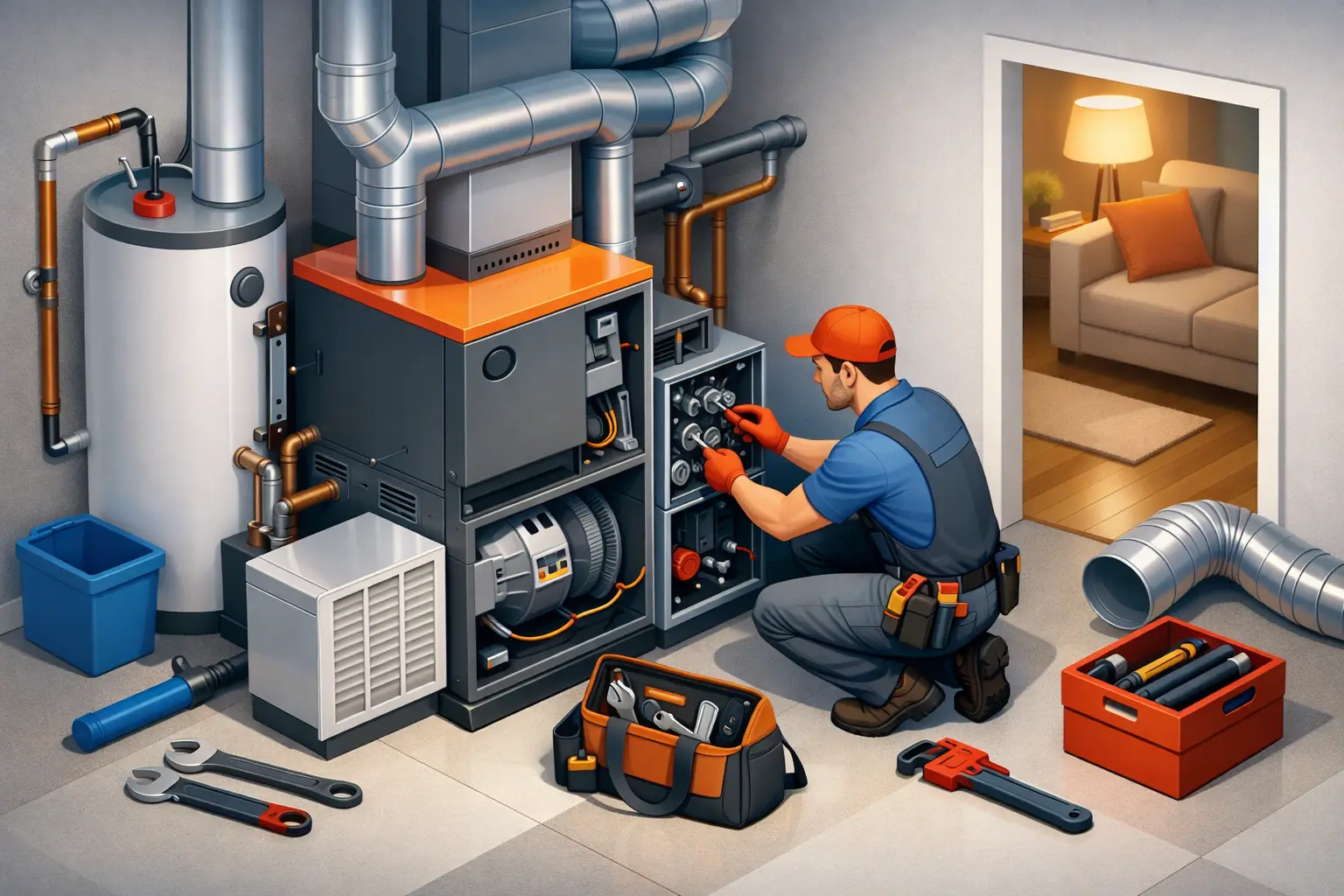
    No hot water at 6 a.m. tends to turn an ordinary morning into a household problem fast. When your shower runs cold, your utility room smells off, or you notice water around the tank, water heater repair moves from a chore you can put off to something that needs attention now.

    For homeowners in Hudson and nearby Massachusetts communities, the challenge is not just getting hot water back. It is figuring out whether the issue is minor, whether the unit is safe to keep running, and whether a repair still makes sense compared to replacement. A good diagnosis matters because the right fix depends on the type of water heater, its age, and the symptom you are seeing.

    When water heater repair should not wait

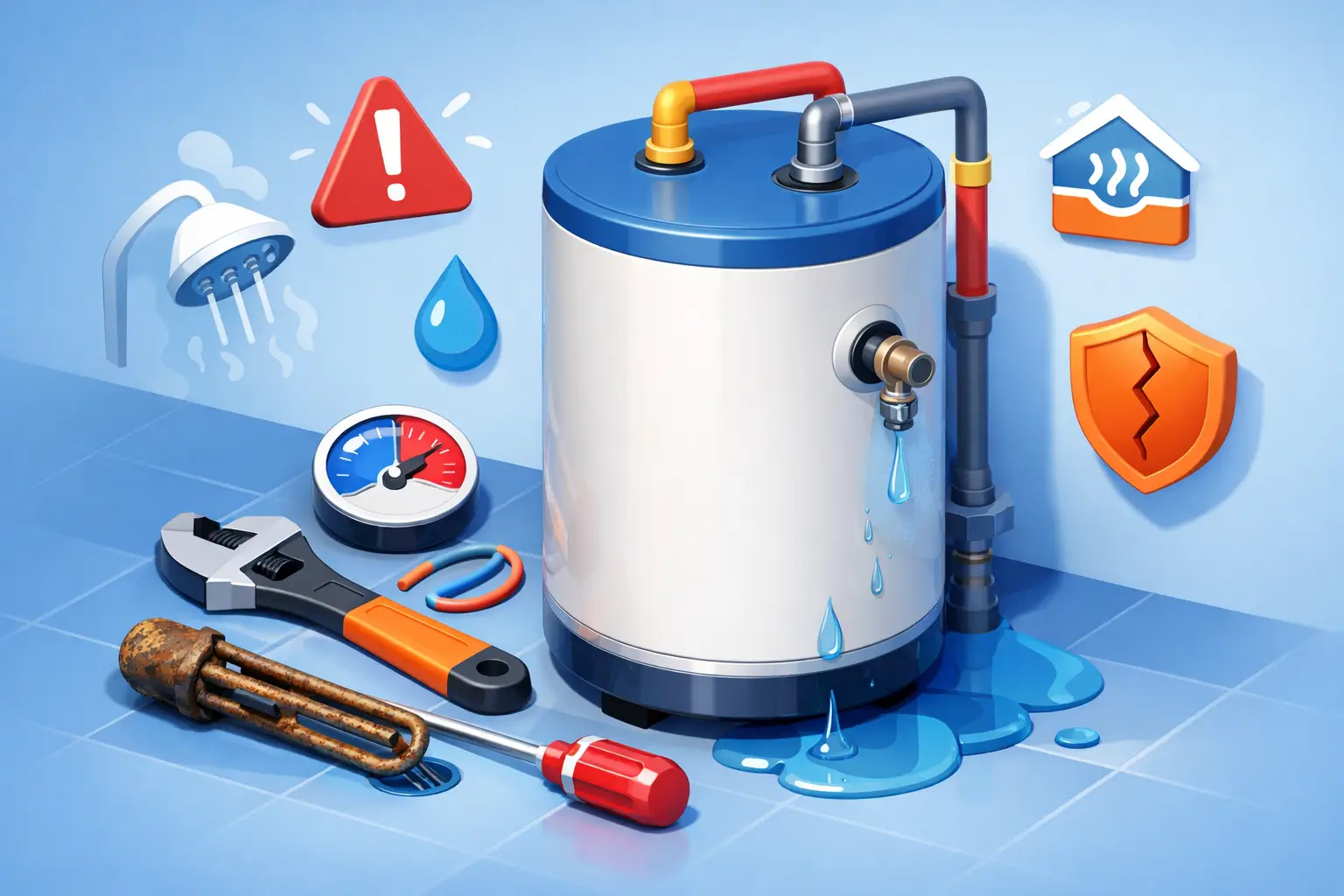
    Some water heater issues are inconvenient. Others can damage your home or create a safety concern. If you have active leaking around the tank, a burning smell, discolored water with a strong metallic odor, or a gas unit that will not stay lit, it is smart to treat the problem as urgent.

    A leaking connection or valve may be repairable. A leaking tank usually is not. That distinction is important because many homeowners see water on the floor and assume the whole unit has failed. Sometimes the source is a loose fitting, the temperature and pressure relief valve, or condensation. Other times the tank itself has rusted through, and no repair will make that a dependable long-term solution.

    If you suspect a gas smell near the water heater, leave the area and arrange for professional help right away. That is not a wait-and-see situation.

    Common signs your water heater needs repair

    Most water heaters give some warning before they stop working completely. The signs are often subtle at first, then more obvious over time.

    Inconsistent or no hot water

    If your hot water runs out much faster than it used to, a failing heating element, burner problem, thermostat issue, or sediment buildup could be reducing performance. On a tankless unit, scale buildup or ignition trouble may be the cause. If there is no hot water at all, the problem may be electrical, gas-related, or tied to a failed control component.

    Strange noises from the tank

    Popping, rumbling, or banging sounds usually point to sediment collecting at the bottom of a tank-style water heater. As water heats beneath that layer, the unit works harder and less efficiently. In some cases, a flush helps. In others, the sediment has been there long enough to contribute to overheating and internal wear.

    Rust-colored water

    Brown or reddish hot water can signal corrosion inside the tank or deterioration of the anode rod, which is designed to protect the tank from rusting. If discoloration only shows up when running hot water, the water heater is a likely suspect. If it appears on both hot and cold sides, the plumbing system may be part of the issue.

    Water around the unit

    Even a small amount of water matters. It may come from fittings, valves, the drain connection, or the tank itself. The cause determines whether water heater repair is straightforward or whether replacement is the wiser move.

    Rising energy bills

    A struggling water heater often uses more fuel or electricity to do the same job. Sediment, worn parts, and poor combustion can all reduce efficiency. Homeowners sometimes notice the utility bill before they notice the mechanical symptom.

    What causes water heater problems

    Water heaters work hard every day, and most of their problems come from wear, water quality, and lack of maintenance.

    Sediment is one of the biggest issues in tank-style systems. Minerals settle at the bottom over time, especially in areas with hard water. That buildup reduces efficiency, shortens recovery time, and can eventually damage the tank.

    Parts also wear out. Electric units may need new elements or thermostats. Gas units can develop issues with pilot assemblies, thermocouples, gas control valves, or burners. Pressure relief valves, expansion tanks, and shutoff valves can fail too.

    Age plays a role as well. A water heater that is ten or twelve years old is simply more likely to have multiple components nearing the end of their service life. At that point, even a successful repair may only buy limited time.

    Repair or replace? It depends on the unit

    This is usually the question homeowners want answered first, and the honest answer is that it depends.

    If the issue is isolated to a replaceable part and the tank is still in good shape, repair often makes sense. That is especially true for newer units with a solid service history. Replacing a heating element, thermostat, igniter, or valve can restore dependable performance without the cost of a full replacement.

    If the tank is leaking, the unit is badly corroded, or the repair cost is high compared to the age of the system, replacement is often the better investment. Continuing to repair an older unit can become more expensive than upgrading to a newer, more efficient model.

    Tankless water heaters follow a slightly different calculation. They usually last longer than standard tank systems, so repairs are often worth considering if the heat exchanger is still sound and the issue is tied to maintenance or serviceable components.

    Types of water heaters and how repair differs

    Not all water heaters fail the same way, which is why a broad diagnosis matters.

    Tank water heaters

    These are the most common in many homes and often have issues tied to sediment, thermostats, elements, burners, or aging tanks. Repairs are usually straightforward when caught early.

    Tankless water heaters

    Tankless systems can offer strong efficiency, but they need proper maintenance. Scale buildup, sensor problems, ignition faults, and venting issues are common service calls. These units benefit from technicians who understand both plumbing and combustion systems.

    Hybrid water heaters

    Hybrid systems can lower operating costs, but they involve more components than a standard tank unit. If something goes wrong, the repair may involve controls, heat pump operation, airflow, or traditional backup heating elements.

    What you can check before calling

    There are a few basic things homeowners can safely look at. For an electric unit, check whether the breaker has tripped. For a gas unit, see whether the pilot is out if your model has one and review any visible status light or error code. You can also check the thermostat setting and confirm that a shutoff valve has not been closed accidentally.

    That said, water heater repair is not a good area for guesswork. If there is leaking, gas-related trouble, electrical concerns, or repeated shutdowns, it is time for professional service. A water heater combines water, power or fuel, pressure, and heat in one appliance. The risk of making the problem worse is real.

    Why prompt service usually saves money

    Putting off repair often turns a manageable issue into a bigger one. A minor leak can damage floors or walls. Sediment buildup can shorten equipment life. A burner or element problem can leave the system running inefficiently for weeks or months.

    Fast service also helps preserve options. If a technician catches the issue before the tank fails or before major corrosion sets in, repair may still be practical. Waiting too long can take that option off the table.

    For local homeowners, this is where working with an experienced plumbing and heating contractor makes a difference. A team that understands tank, tankless, gas, electric, and high-efficiency systems can tell you clearly whether the right next step is a repair, a maintenance service, or a replacement. That kind of straightforward guidance is what many families are looking for when hot water suddenly becomes unreliable.

    Preventing future water heater repair calls

    No water heater lasts forever, but regular maintenance can help you get more dependable years from it. Flushing a tank, checking the anode rod, testing safety components, and addressing small performance changes early can all reduce the chance of a sudden breakdown.

    Tankless units should be descaled on a schedule that fits your water conditions and usage. Homes with harder water may need more frequent service. If your system has already needed one scale-related repair, that is a sign maintenance should become more routine.

    It also helps to pay attention to small changes. If the water takes longer to heat, the tank starts making new noises, or hot water quality changes, those are useful early signals. Problems tend to be cheaper and simpler when they are handled before they become emergencies.

    When your water heater starts acting up, the goal is not just to get through one more day with lukewarm showers. It is to protect your home, restore reliable hot water, and make a smart decision about the system you depend on every day. If something feels off, trust that instinct and get it checked before a minor issue becomes a bigger one.
  • Tankless vs Tank Water Heater: Which Fits?

    Tankless vs Tank Water Heater: Which Fits?

    Running out of hot water halfway through a shower usually sends homeowners to the same question fast: tankless vs tank water heater – which one actually makes more sense for this house, this family, and this budget? The answer is not one-size-fits-all. What works well in one Hudson-area home may be the wrong fit in another, especially when household size, gas service, venting, and daily hot water habits all come into play.

    For some homes, a traditional tank water heater is the most practical and cost-effective choice. For others, a tankless unit can deliver better efficiency and a longer service life. The key is understanding where each system performs well, where each one has limits, and what installation really involves before you make the investment.

    Tankless vs tank water heater: the basic difference

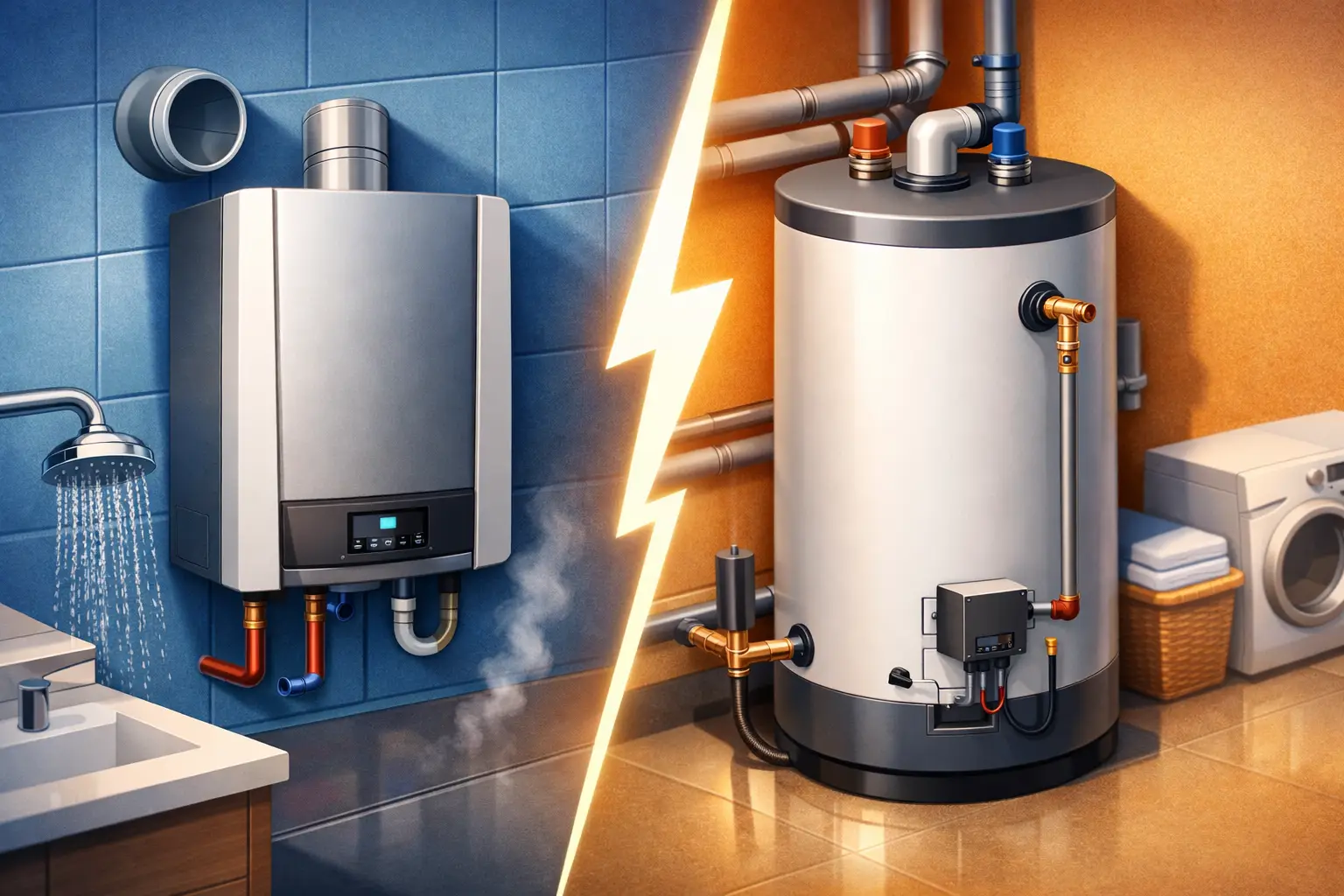
    A tank water heater stores and heats a set amount of water, usually 40 to 80 gallons. It keeps that water hot and ready in the tank so it is available when you turn on the tap. That approach is simple, proven, and familiar to most homeowners.

    A tankless water heater works differently. Instead of storing hot water, it heats water on demand as it flows through the unit. When properly sized, it can provide a steady supply of hot water without the standby heat loss that comes from keeping a full tank hot all day.

    That sounds like an easy win for tankless, but real-world performance depends on more than the label. Flow rate, incoming groundwater temperature, fixture demand, and installation conditions all matter.

    Upfront cost is often the first deciding factor

    In most cases, a standard tank water heater costs less to purchase and install than a tankless system. If your current tank has failed and you need hot water back quickly, replacing it with a similar model is often the most straightforward path.

    Tankless systems usually cost more upfront because the installation can be more involved. A home may need gas line upgrades, new venting, electrical changes, or adjustments to water piping. In older Massachusetts homes, those details can have a big impact on the final project cost.

    That does not mean tankless is too expensive to consider. It means the value is tied to long-term ownership. Homeowners who plan to stay in their house for years often look at the bigger picture: energy savings, lifespan, space savings, and performance.

    Efficiency matters, but usage habits matter too

    Tankless units are generally more energy efficient because they heat water only when you need it. There is no stored tank of hot water losing heat around the clock. For homes with moderate and predictable water use, that can translate into meaningful savings over time.

    Tank water heaters are less efficient in that sense because they maintain stored hot water even when no one is using it. Still, newer high-efficiency tank models have improved considerably, and for some families the difference in operating cost may not be dramatic enough to outweigh the lower installation price.

    If your household has high hot water demand spread throughout the day, the savings from tankless may be stronger. If your usage is lighter or you may move in a few years, a traditional tank can still be the smarter financial choice.

    Hot water performance in a busy home

    This is where homeowners often have the strongest opinions. A tankless unit can provide hot water as long as the system is not pushed beyond its flow capacity. That is the appeal – no waiting for a tank to recover after several showers.

    But continuous hot water does not mean unlimited hot water for every fixture at once. If multiple people are showering while the dishwasher and washing machine are running, a tankless system has to be sized correctly to keep up. If it is undersized, you may notice temperature swings or reduced performance.

    A tank water heater has a different limitation. It can deliver a high volume of stored hot water for a period of time, but once the tank is depleted, recovery takes time. In a large family home, that can mean the last shower gets lukewarm water.

    Which system handles peak demand better?

    It depends on how your household uses hot water. If demand comes in waves, like morning showers back-to-back, a properly sized tankless unit can be a great fit. If your home has simultaneous high-demand use across several bathrooms and appliances, sizing becomes critical. In some cases, a larger tank or even multiple solutions may be more practical than a single small tankless unit.

    Lifespan and maintenance

    Tankless water heaters often last longer than traditional tank units. With proper maintenance, a tankless system may stay in service for 20 years or more. A standard tank water heater usually has a shorter lifespan, often in the 8 to 12 year range depending on water quality, maintenance, and usage.

    That longer life is one reason many homeowners consider tankless worth the higher upfront cost. But it comes with an important condition: maintenance matters. Tankless units should be flushed periodically to reduce mineral buildup, especially in areas where water conditions contribute to scaling.

    Tank water heaters need maintenance too, including checking the anode rod and flushing sediment, but in practice many are ignored until performance drops or the tank leaks. Tank systems are simple, but once the tank itself fails, replacement is usually the only option.

    Space, placement, and home layout

    A tankless water heater takes up much less physical space than a bulky storage tank. For homeowners looking to free up utility room space, finish a basement, or reduce clutter, that alone can be a major benefit.

    Tank water heaters require more floor space, but that does not automatically make them less desirable. In homes with plenty of basement or utility area, space may not be a concern at all. When there is room and the installation is already set up for a tank, staying with that format can be the simplest route.

    Home layout also affects how quickly hot water reaches fixtures. A tankless unit does not automatically eliminate the wait for hot water at a far bathroom or kitchen. The distance from the heater to the fixture still matters. Homeowners sometimes expect instant hot water from tankless, but that is a separate issue from how the water is heated.

    Installation complexity is where surprises happen

    When homeowners compare tankless vs tank water heater options, they often look at the equipment first and underestimate the installation side. That is a mistake. The work behind the walls and around the mechanical systems often decides what makes sense.

    A tank replacement is usually more predictable if the existing setup is in decent condition. A tankless installation can require a larger gas line, category-specific venting, condensate handling on some units, and careful sizing based on real household demand. In some homes, those upgrades are easy. In others, they are substantial.

    That is why a site-specific evaluation matters. The best choice is not just about what is newer or more efficient on paper. It is about what will perform reliably in your house without avoidable complications.

    When a tank water heater makes more sense

    A traditional tank often makes sense when budget is the top concern, when you need a faster replacement, or when your existing setup already supports a straightforward swap. It is also a solid option for households whose hot water needs are predictable and not especially heavy.

    For many homeowners, simple and dependable is the right answer. There is real value in lower upfront cost, familiar operation, and fewer installation variables.

    When a tankless water heater makes more sense

    Tankless tends to make sense for homeowners planning to stay long term, looking for better efficiency, wanting to save space, or needing longer stretches of hot water without tank recovery delays. It can be especially attractive in homes where the gas service and venting can support the installation without major changes.

    It is also a strong option for homeowners who want a more modern system and are comfortable investing more now for potential long-term benefits.

    So which one should you choose?

    If you want the lowest upfront cost and a proven system that handles everyday needs well, a tank water heater is often the practical answer. If you want higher efficiency, longer lifespan, and on-demand performance, tankless may be worth the extra investment.

    The right decision usually comes down to four things: your budget, your hot water habits, your home’s installation conditions, and how long you expect to stay in the property. A trusted local expert can walk through those factors clearly and help you avoid buying a system that looks good online but does not fit your home in the real world.

    For homeowners in Massachusetts, that practical approach matters. At Mass Plumbing & Heating, the goal is not to push one type over the other. It is to match the equipment to the house, the family, and the way hot water is actually used. If you are weighing your options, the smartest next step is to look past the label and choose the system that will serve you well on the coldest mornings and busiest nights.

  • Plumbing Repairs Every Homeowner Should Know

    Plumbing Repairs Every Homeowner Should Know

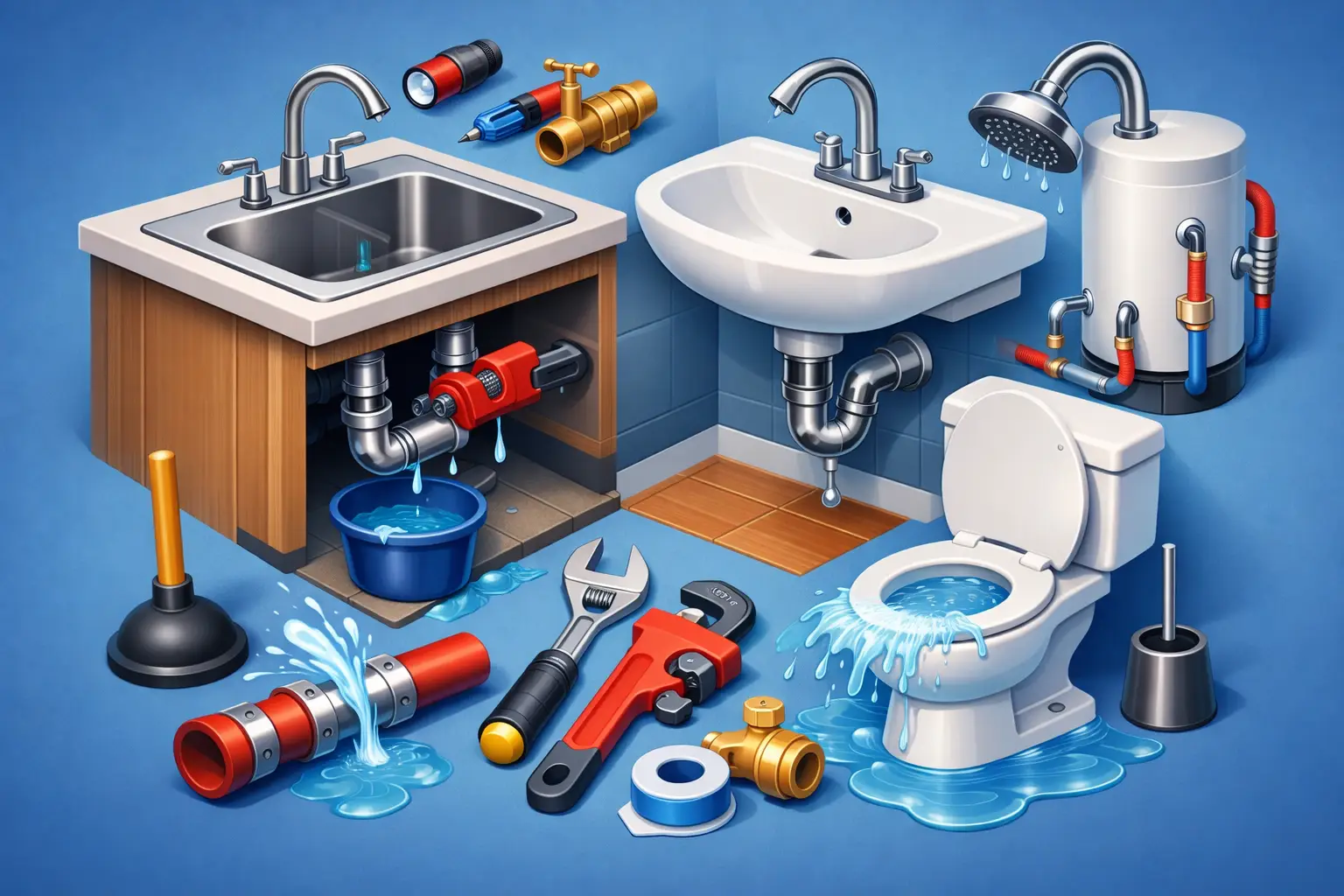
    A dripping pipe under the kitchen sink can seem minor right up until the cabinet floor starts swelling and the musty smell sets in. That is how many plumbing repairs begin – small, easy to ignore, and suddenly expensive. For homeowners in Hudson and nearby Massachusetts communities, the difference between a quick fix and a major cleanup often comes down to how fast the problem is identified and whether the right repair is made the first time.

    Plumbing problems rarely stay in one lane. A leak can affect flooring, drywall, insulation, and even electrical systems nearby. A failing water heater can leave you without hot water, but it can also raise utility costs or create safety concerns. That is why a practical approach matters. Some issues can be addressed with a simple adjustment, while others need prompt professional service to protect the home.

    The plumbing repairs that should never wait

    Some plumbing issues are inconvenient. Others are urgent. Knowing the difference helps homeowners respond calmly and avoid unnecessary damage.

    Active leaks are at the top of the list. If water is dripping from a supply line, pooling around a toilet base, or showing up on a ceiling below a bathroom, time matters. Even a slow leak can damage framing and finishes over time. If the leak is sudden or heavy, shutting off the nearest fixture valve or the home’s main water supply is the right first move.

    A burst pipe is an obvious emergency, but less dramatic problems can be serious too. A drain backup affecting more than one fixture may point to a larger blockage in the main line. No hot water can also become urgent, especially during colder months or in homes with young children or older adults. If a sump pump has stopped working during wet weather, the basement may be one storm away from flooding.

    Gas-related issues belong in the urgent category as well. If there is any sign of a gas leak or a gas appliance is not operating normally, that is not a wait-and-see situation.

    Common plumbing repairs in older and newer homes

    Not every house develops the same plumbing issues. Age, water quality, past repair history, and fixture quality all play a part.

    In older homes, worn shutoff valves, corroded pipes, outdated fixtures, and aging water heaters are common sources of trouble. A pipe may not fail all at once. It may start with pinhole leaks, reduced water pressure, or discolored water. Older drain systems can also be more prone to recurring clogs, especially if buildup has narrowed the pipe over time.

    Newer homes are not immune. In fact, many plumbing repairs in newer homes involve fixture components, sump pumps, water heater sensors, expansion tanks, or connections that have loosened over time. A newer system may have more efficiency and better materials, but it often includes parts that require accurate troubleshooting rather than guesswork.

    That is where experience matters. Replacing the wrong part wastes time and money. Diagnosing the actual cause is what gets the repair to hold.

    What homeowners can safely do first

    There is a middle ground between ignoring a plumbing problem and trying to take the whole thing apart yourself. In many cases, a few simple steps can limit damage before service arrives.

    If a fixture is leaking, shut off the local valve if one is available. If a pipe has split or water is flowing steadily, turn off the main water supply to the home. For a clogged sink or tub, stop using the fixture and avoid chemical drain cleaners, which can damage pipes and create a more hazardous work area later. If the water heater is acting up, check whether the problem is a tripped breaker, a pilot issue on an older gas unit, or a visible leak around the tank.

    It also helps to pay attention to details. Is the problem affecting one fixture or several? Did it start after another repair, a cold snap, or heavy rain? Is there a strange sound, odor, or drop in water pressure? Those details can make troubleshooting faster and more accurate.

    What homeowners should not do is force connections tighter, keep resetting a failing system repeatedly, or open up gas-related components without training. Plumbing systems are interconnected, and a well-meaning DIY attempt can turn a repair into a replacement.

    When plumbing repairs need a professional

    A good rule is this: if the problem involves hidden leaks, water damage, gas lines, water heaters, sump pumps, boiler connections, or repeated failures, call a professional. Those repairs usually need more than a temporary fix.

    Leaks behind walls and under floors are a good example. By the time staining appears, the water may have been traveling for some time. The visible mark is often not the true source. The same goes for recurring drain issues. Clearing a clog may solve the immediate symptom, but if the line has a deeper blockage, a sag, root intrusion, or heavy buildup, the problem will return.

    Water heater repairs also require judgment. Sometimes a failing component can be replaced and the unit has years left. Other times, the age of the tank, condition of the burner or elements, and signs of corrosion make replacement the better investment. It depends on the unit, the repair cost, and how reliable the system has been.

    For homeowners who want one trusted company for both plumbing and heating concerns, this overlap is especially helpful. A system issue is not always isolated. A boiler-fed water problem, an indirect water heater issue, or a gas fitting concern may require broader home system knowledge.

    Signs a small plumbing issue is getting bigger

    The hardest plumbing problems are often the quiet ones. They do not flood the room right away. They show up as patterns.

    If your water bill suddenly climbs without a clear reason, a hidden leak may be the cause. If drains keep slowing down even after being cleared, the line may have a larger obstruction. If you hear pipes knocking, whistling, or rattling, pressure or support issues could be developing. Rust-colored water, inconsistent hot water, or damp spots near the water heater often point to a unit that needs attention soon.

    Sump pump warning signs are easy to overlook too. If the pit fills but the pump struggles to discharge, cycles too frequently, or makes unusual noise, that is worth checking before the next heavy rain. Basement water problems usually become urgent at the worst possible moment.

    Why the cheapest repair is not always the least expensive

    Most homeowners are not looking for extras. They want the problem fixed, the home protected, and the cost explained clearly. That is reasonable. But there is a difference between a low upfront number and a repair that actually lasts.

    For example, patching a section of failing pipe may be appropriate in one home and a short-term bandage in another. Replacing only the visible fitting might stop the drip today, while leaving aged valves or brittle pipe ready to fail next month. On the other hand, not every issue calls for a full replacement. A quality repair should match the condition of the system, the urgency of the problem, and the homeowner’s long-term plans.

    That balance is where honest guidance matters. A dependable contractor should be able to explain what failed, why it failed, and whether the right next step is repair, replacement, or monitoring. Homeowners do not need a sales pitch. They need a clear recommendation.

    Choosing the right help for plumbing repairs

    When you need service, responsiveness matters, but so does range of expertise. Many plumbing calls are tied to larger home comfort systems, whether that means a water heater, a boiler connection, a sump pump, or gas piping for an appliance. Working with a contractor that understands the full picture can save time and avoid finger-pointing.

    Local service matters too. Homeowners want someone who knows the area, can respond quickly, and stands behind the work. That is one reason family-owned companies like Mass Plumbing & Heating continue to earn trust – people remember who answered the phone, showed up prepared, and solved the problem without making the process harder than it needed to be.

    The best plumbing repairs do not just stop the immediate leak or restore hot water. They leave the system safer, more reliable, and less likely to fail again next week. If something in your home seems off, it is worth acting before a small problem starts spreading behind walls, under floors, or into the next emergency.

  • How to Choose Plumbing Services Near Me

    How to Choose Plumbing Services Near Me

    When you search for plumbing services near me, you usually need help for one of two reasons: something is already going wrong, or you want to avoid a bigger problem later. A leaking pipe, no hot water, a backed-up drain, or a sump pump that quits before a storm can turn a normal day into a stressful one fast. The right plumber does more than fix the immediate issue. They help protect your home, your time, and your peace of mind.

    For homeowners in Hudson and nearby Massachusetts communities, choosing a plumbing company is not just about who can get there first. Speed matters, especially in an emergency, but so do experience, communication, and the ability to handle the full picture. A small leak may point to a pressure issue. A water heater problem may involve gas piping, venting, or system sizing. Basement moisture may be tied to a sump pump, drainage, or an aging water line. That is why it helps to work with a local contractor who understands how these systems connect.

    What to look for in plumbing services near me

    A dependable plumbing company should make life easier, not more confusing. That starts with clear communication. You want a team that answers questions directly, explains what they found, and gives you realistic options instead of pushing a one-size-fits-all fix.

    Local experience matters too. Homes across Central and MetroWest Massachusetts can vary quite a bit in age, layout, and mechanical systems. Older homes may have legacy piping, steam heat, or outdated fixtures. Newer homes may have high-efficiency equipment, water filtration systems, or more complex finished basements. A plumber with broad residential experience can troubleshoot faster because they have likely seen similar setups before.

    Availability is another major factor. Some plumbing issues can wait a day or two. Others cannot. If a pipe bursts, the boiler shuts down in winter, or your water heater starts leaking, you need to know help is available when it counts. Around-the-clock emergency service is not a luxury in New England homes. In many situations, it is part of protecting the property from greater damage.

    Fast service is great, but range of expertise matters

    Homeowners often start by looking for the closest provider. That makes sense, but proximity alone should not decide it. The better question is whether the company can handle the problem correctly the first time.

    Plumbing today covers much more than faucets and toilets. Water heaters alone can involve standard tank units, tankless systems, hybrid models, recirculation components, gas connections, and code-compliant venting. Heating-related plumbing may include boilers, baseboard heat, radiant systems, and steam equipment. Water quality concerns can involve filtration, treatment, and fixture protection. If you hire a contractor with limited scope, you may end up calling multiple companies for what is really one connected issue.

    That is where a full-service company stands out. A homeowner dealing with low hot water output, for example, may think the tank is failing. In reality, the issue could involve sediment buildup, undersized equipment, a mixing valve problem, or a heating-side component if the home uses an indirect water heater. Experience across plumbing and heating systems can save time and reduce repeat visits.

    Signs you need a plumber sooner, not later

    Some plumbing problems are obvious. Others start quietly and get expensive if they are ignored. Dripping fixtures, slow drains, inconsistent water pressure, discolored water, and banging pipes may not feel urgent in the moment, but they often signal wear, buildup, or failing parts.

    Water heater issues are a common example. If hot water runs out faster than usual, the system makes unusual noise, or you see moisture around the tank, it is smart to schedule service before you lose hot water altogether. The same goes for sump pumps. Waiting until the next heavy rain is risky if the unit is already cycling poorly, making noise, or failing to activate reliably.

    Heating season brings its own crossover problems. A homeowner may think they need a heating contractor, but many no-heat calls tied to boilers, baseboard systems, radiant loops, or steam components also require plumbing knowledge. Working with one trusted provider for both plumbing and heating can simplify diagnosis and reduce delays.

    How to compare plumbers without getting overwhelmed

    Most homeowners are not looking to become plumbing experts. They just want confidence that the company they hire is capable, professional, and fair. A few practical questions can tell you a lot.

    Ask whether the company handles both repairs and replacements. Some issues can be fixed cost-effectively. Others make more sense to replace, especially when a unit is near the end of its service life. A good contractor will explain the trade-off. Repair may cost less today, but replacement may offer better reliability, efficiency, and long-term value.

    Ask whether they work on the type of system you have. That matters with boilers, tankless water heaters, gas piping, sump pumps, water filtration, and older heating setups. Not every company has the same comfort level across all residential systems.

    You should also pay attention to how they speak with you. Do they explain things clearly? Do they respect your time? Do they sound prepared, or vague? Home service is personal. You are inviting someone into your house, often during a stressful moment. Professionalism and courtesy matter just as much as technical skill.

    Planned upgrades deserve the same care as emergency repairs

    Not every search for plumbing services near me starts with a crisis. Many homeowners are planning improvements, especially when older equipment starts costing more to maintain or when energy bills keep creeping up.

    A water heater replacement is a good example. The best option depends on your household size, usage habits, available space, fuel source, and long-term priorities. A standard tank water heater may be the most practical fit for one family, while another may benefit from tankless or hybrid technology. The right choice is not always the newest or most expensive model. It is the one that matches the home.

    The same goes for heating upgrades and fuel conversions. If you are considering a high-efficiency boiler, radiant heat, or an oil-to-gas conversion, the installation matters as much as the equipment itself. Proper sizing, venting, piping, and system design all affect performance. This is where an experienced local contractor earns trust – by recommending solutions that work well in real homes, not just on paper.

    Why local reputation still matters

    There is a reason homeowners return to local family-owned contractors for years. Accountability tends to be stronger when a company works in the same communities it serves. Reputation is built one service call at a time.

    That local connection often shows up in the details. The technician understands regional weather demands. They know how winter conditions can affect pipes, boilers, and sump systems. They understand that homeowners want practical recommendations, not sales pressure. They also know that good work travels by word of mouth.

    Mass Plumbing & Heating is built around that kind of local trust – dependable service, broad home system expertise, and the readiness to respond when homeowners need help most. For many families, that combination matters more than a flashy promotion or a bargain quote that does not hold up once the work begins.

    The best plumber for your home is not always the cheapest

    Price matters. Every homeowner has a budget, and no one wants to overpay. But the lowest quote can become the most expensive outcome if the repair is temporary, the diagnosis is incomplete, or the installation creates new problems down the line.

    A better way to think about value is this: are you paying for a quick patch, or for a fix that truly solves the issue? Sometimes a lower-cost repair is absolutely the right move. Other times, especially with aging water heaters, recurring drain issues, or worn heating equipment, a more complete solution saves money and frustration over time.

    Good contractors will be honest about that balance. They will tell you when a repair is worth doing and when replacement is the smarter path. They will also explain what to expect, so you can make a confident decision without feeling rushed.

    If you are looking for plumbing services near me, focus on more than who appears first in a search. Look for a company that is responsive, experienced, local, and prepared to help with both urgent repairs and planned improvements. The right relationship starts with one service call, but it should leave you feeling like you know exactly who to call the next time your home needs help.

  • How to Find Affordable Plumbers Nearby

    How to Find Affordable Plumbers Nearby

    When a pipe starts leaking at 9 p.m. or the water heater quits before a house full of showers, most homeowners are not searching for the absolute cheapest fix. They are searching for affordable plumbers who can solve the problem correctly, show up when they say they will, and keep a bad day from getting more expensive.

    That distinction matters. Affordable plumbing is not about bargain-basement pricing. It is about getting solid work, clear communication, and a fair cost for the job in front of you. For homeowners in Hudson and surrounding Massachusetts communities, that usually means looking beyond the first low number and paying attention to what is actually included.

    What affordable plumbers really offer

    A truly affordable plumber helps you control total cost, not just upfront price. That means diagnosing the issue correctly, using the right parts, and fixing the root problem so you are not paying for the same repair twice.

    For example, a low quote on a leaking water heater can sound great until you learn it only covers a temporary repair on a unit that is already near the end of its life. In that case, the cheaper visit may turn into another service call, more water damage risk, and a rushed replacement a few weeks later. A plumber who takes the time to explain repair versus replacement may charge more for the visit, but save you money overall.

    This is where experience matters. Plumbing systems connect to water supply, drainage, fixtures, fuel lines, heating equipment, pumps, and venting. A contractor who understands the full picture can often spot related issues early. That kind of service is rarely the lowest line item, but it is often the most affordable choice over time.

    Why the cheapest quote can cost more

    Homeowners are right to compare prices. You should. But price alone is not enough to judge plumbing work.

    A very low estimate can mean different things. It may reflect limited scope, lower-grade materials, rushed labor, or a lack of follow-up if the repair does not hold. In some cases, it simply means the contractor has not fully assessed the problem yet. Once the work starts, the final bill may look very different from the original number.

    There is also the issue of emergency work. If a sump pump fails during heavy rain or a burst pipe is actively damaging walls and flooring, speed matters. An affordable plumber in that situation is one who responds quickly, stabilizes the issue, and gives you a realistic path forward. Waiting for the cheapest option is not always the least expensive move when water damage is getting worse by the hour.

    How to compare affordable plumbers the right way

    The best way to compare plumbing companies is to look at value in context. Start by asking what the quoted price includes. Does it cover diagnosis, labor, standard materials, cleanup, testing, and any needed adjustments? Or is it only a basic starting point?

    You should also ask whether the plumber is recommending a repair meant to last or a temporary patch. Sometimes a temporary solution makes sense. If a replacement water heater needs to be scheduled, a short-term fix may be the practical choice. But that should be explained clearly so you can make an informed decision.

    It also helps to compare responsiveness. A contractor who answers the phone, communicates arrival windows, and explains the issue in plain language often saves homeowners money in less obvious ways. Good communication reduces delays, confusion, repeat visits, and unnecessary work.

    Affordable plumbing depends on the job

    Not every plumbing service should be judged the same way. A dripping faucet, a clogged drain, a failed boiler, and a gas line issue all carry different levels of complexity and risk.

    For a smaller repair, affordability may mean getting a straightforward fix without paying for services you do not need. For a larger project, like replacing a water heater or converting from oil to gas, affordability usually comes down to system performance, energy efficiency, and installation quality over the coming years.

    That is why homeowners should be cautious about one-size-fits-all pricing promises. Plumbing work depends on access, parts, age of the home, code requirements, and the condition of nearby components. A fair, affordable estimate reflects those realities instead of ignoring them.

    Signs you are dealing with affordable plumbers you can trust

    A reliable plumber does not need gimmicks to sound affordable. Usually, the signs are more practical.

    They explain the problem in homeowner-friendly terms. They tell you what is urgent and what can wait. They present repair and replacement options when both are reasonable. They respect your home while they work. And they do not leave you guessing about next steps.

    Trust also shows up in how broad their expertise is. Many homeowners prefer one company that can handle plumbing and heating together because home systems often overlap. A no-hot-water call may involve the water heater, venting, gas piping, expansion controls, or related valves. A basement moisture issue could involve a sump pump, drainage concern, and water heater location. The more a contractor understands these connections, the more efficiently the job tends to go.

    For that reason, many local homeowners look for a provider with proven experience across repairs, replacements, heating equipment, water quality systems, and emergency calls. A company like Mass Plumbing & Heating fits that practical need because homeowners often want one trusted local expert instead of juggling multiple contractors.

    Questions to ask before you hire

    Before scheduling service, ask a few simple questions. The answers will tell you a lot about whether the plumber is truly affordable.

    Ask how they approach diagnosis. Ask whether they will explain options before work begins. Ask if they handle emergency service, and what that process looks like. If the job involves equipment like a water heater, boiler, sump pump, or filtration system, ask whether they repair, replace, and install those systems regularly.

    You can also ask what tends to drive cost on a job like yours. A good contractor will not always be able to give an exact number over the phone, but they should be able to explain the usual variables. That kind of honesty is a strong sign you are dealing with a professional who values long-term relationships more than quick sales.

    Affordable plumbers help you plan, not just react

    One of the best ways to keep plumbing affordable is to address problems early. Small leaks, slow drains, inconsistent hot water, noisy boilers, and aging sump pumps often give warning signs before they become emergencies.

    When homeowners act early, they usually have more options. They can compare repair versus replacement, schedule work at a convenient time, and make choices based on value instead of pressure. That is especially important with water heaters and heating systems, where planned replacement is often less stressful and more cost-effective than an emergency breakdown in bad weather.

    There is also a long-term affordability angle in efficiency upgrades. A high-efficiency boiler, hybrid water heater, updated fixtures, or improved water filtration setup may cost more upfront but reduce utility use, maintenance needs, or wear on the rest of the system. It depends on the age of your equipment and your home’s needs, but the right upgrade can be a smart financial decision.

    Local service often adds real value

    Hiring local is not just about convenience. It can be part of affordability too. A local plumbing and heating company is more likely to understand the housing stock in the area, common system setups, seasonal weather demands, and the kinds of issues homeowners in Massachusetts run into year after year.

    That familiarity helps with troubleshooting. It also helps with practical recommendations. A local contractor knows that a sump pump problem before a major storm is different from a minor fixture issue, and that a heating failure in winter needs fast, confident service.

    Homeowners also tend to get better continuity with a local company. If you need future service, maintenance, or a follow-up visit, you are working with a team that already knows your home and your equipment. That can save time and reduce repeat diagnostic costs later.

    The goal is fair pricing and dependable work

    Affordable plumbers are not the ones who simply advertise the lowest number. They are the ones who provide fair pricing, dependable workmanship, and useful guidance when your home needs attention.

    For homeowners, the smart move is to look for a plumber who shows up prepared, communicates clearly, and helps you make a sound decision for your budget and your home. Sometimes that means a simple repair. Sometimes it means replacing equipment before it fails at the worst possible moment. Either way, affordability is really about confidence that the money you spend is money well spent.

    If you are comparing options, do not just ask who is cheapest. Ask who will solve the problem properly, stand behind the work, and treat your home with the care a neighbor should expect.

  • How to Choose Plumbers Near Me

    How to Choose Plumbers Near Me

    When a pipe starts leaking under the sink or the water heater quits before the morning shower, most homeowners do the same thing – they search for plumbers near me and hope the right company shows up fast. The problem is that plumbing issues rarely give you much time to research, and not every local listing tells you what you actually need to know.

    A good plumber does more than fix the immediate problem. They help protect your home from water damage, prevent repeat repairs, and give you clear answers when you are deciding whether to repair, replace, or upgrade a system. If you are trying to choose wisely, speed matters, but so do experience, communication, and local accountability.

    What “plumbers near me” should really mean

    At first glance, the phrase sounds simple. You want someone close by. But for homeowners, nearby should mean more than a pin on a map.

    It should mean a company that knows the homes in your area, understands common local plumbing and heating setups, and can respond when weather or aging systems create urgent problems. In Massachusetts homes, for example, that can include older piping, boiler-fed heating, sump pump concerns, frozen pipe risks, and water heater issues that are tied to seasonal demand.

    Local service also tends to come with better continuity. If the same company handles your leak repair today, your water heater replacement next year, and an emergency no-heat call in winter, you are not starting from scratch every time. That matters when you want practical advice instead of guesswork.

    How to compare plumbers near me without wasting time

    When you are under pressure, it helps to narrow your search quickly. The goal is not to find the cheapest name in the results. It is to find a plumber you would trust inside your home, especially when the repair gets more complicated than you expected.

    Start by looking at service range and actual capabilities. Some plumbers focus only on small repairs. Others handle larger system work such as water heaters, boilers, gas piping, sump pumps, filtration systems, and heating-related plumbing. If your issue may involve more than one system, broader expertise can save you from juggling multiple contractors.

    Response time is another major factor. A dripping faucet can wait a little. A failed sump pump during heavy rain cannot. If a company offers emergency service, that is worth noting, but it is also fair to ask what that means in practice. Are they truly available after hours? Do they handle urgent calls on weekends? Will they talk you through immediate damage control steps while you wait?

    Communication matters just as much as technical skill. Homeowners should expect clear scheduling, straightforward explanations, and honest recommendations. If a company is difficult to reach before the job starts, that usually does not improve once work is underway.

    Signs you found a plumber worth calling

    The best local plumbers tend to share a few qualities. They are prepared, they explain things clearly, and they treat your home with respect. That may sound basic, but in service work, those details separate dependable companies from frustrating ones.

    A strong plumber will ask useful questions before arriving. They may want to know where the leak is, whether water has been shut off, how old the equipment is, or whether the problem affects plumbing, heating, or both. That shows they are thinking ahead rather than simply showing up to take a look.

    You should also look for practical problem-solving. Sometimes the right answer is a repair. Sometimes replacement is the smarter long-term choice. For example, a water heater near the end of its service life may not be worth repeated repair costs. On the other hand, a newer unit with a failed component might be a good repair candidate. A trustworthy plumber explains the trade-off instead of pushing one option every time.

    Professionalism is another good sign. Homeowners notice when technicians arrive on time, communicate clearly, and leave the work area clean. Those are not extra perks. They are part of good service.

    Red flags in a plumbers near me search

    Just as important, there are warning signs you should not ignore. Vague answers, unclear pricing, and pressure to make immediate decisions without explanation can all lead to headaches later.

    Be cautious if a plumber cannot clearly describe what they do and do not handle. That is especially relevant if your home has equipment like a boiler, steam heat, radiant heating, or gas-fired appliances. Not every company works confidently across those systems.

    Another red flag is a one-size-fits-all recommendation. Homes are different. An older house with aging pipes, a newer home with high-efficiency equipment, and a property with recurring basement moisture issues all call for different approaches. Good service is specific.

    It is also wise to be careful with unusually low pricing. Everyone wants fair value, but a very low quote can mean corners get cut, the diagnosis is incomplete, or additional charges appear later. The better question is whether the scope of work is clearly explained and appropriate for the problem.

    When local experience makes a real difference

    Some plumbing issues are straightforward. Others are tied to the age, layout, and heating setup of the home. That is where local experience becomes more than a marketing line.

    In many Massachusetts homes, plumbing and heating are closely connected. A homeowner may call about no hot water and discover the issue involves a boiler-fed indirect water heater. A cold room may trace back to a baseboard heating problem, trapped air, or circulation issues rather than a simple thermostat setting. A basement water problem may involve both drainage and sump pump performance.

    A contractor with both plumbing and heating knowledge can usually diagnose these situations more efficiently. That means fewer delays, fewer handoffs, and a better chance of fixing the root issue instead of only addressing the symptom.

    That is one reason many homeowners prefer a full-service local company such as Mass Plumbing & Heating when they want one trusted provider for everyday repairs, emergency calls, and planned upgrades.

    Repairs, replacements, and the gray area in between

    One of the hardest parts of calling a plumber is not the repair itself. It is deciding what makes financial sense.

    If a fixture or appliance has been reliable and the problem is isolated, repair is often the practical move. A leaking valve, worn component, or failed igniter may be worth fixing if the rest of the system is in good shape.

    Replacement starts to make more sense when problems repeat, parts are becoming unreliable, or efficiency is a concern. Water heaters are a common example. If you are dealing with age, rising energy costs, inconsistent hot water, or visible signs of wear, replacing the unit may save money and frustration over time.

    There are also situations where an upgrade is worth considering, even if the old system still functions. A high-efficiency boiler, hybrid water heater, improved filtration system, or green plumbing fixture can reduce waste and improve comfort. Still, upgrades are not automatically right for every home. It depends on your budget, usage, and the condition of the existing equipment.

    Questions homeowners should ask before booking

    A few smart questions can help you make a confident choice. Ask whether the company handles your specific issue regularly. Ask what appointment availability looks like and whether emergency service is offered if conditions change.

    You can also ask how they approach repair versus replacement decisions. A reliable plumber should be able to explain what they are looking for and what factors influence the recommendation. If your problem involves a major component such as a boiler, water heater, or sump pump, it is reasonable to ask about expected life span, warning signs, and options for efficiency improvements.

    The right conversation should leave you feeling informed, not rushed.

    Choosing a plumber before you have an emergency

    The best time to look for plumbers near me is often before you desperately need one. When water is spreading across the basement floor or the heat goes out on a cold night, every minute feels more expensive.

    If you identify a trusted local company ahead of time, you can act faster when something goes wrong. You also have a better chance of getting consistent service over time. That relationship can be valuable for annual maintenance, aging equipment decisions, and future home upgrades.

    Homeowners do not need a long list of names saved on their phone. They need one dependable local expert who answers the call, shows up prepared, and does the work right. That peace of mind is usually what people were looking for all along when they typed those three words into a search bar.

  • Gas Line Installation for Stove: What to Know

    Gas Line Installation for Stove: What to Know

    That new gas range can be a great upgrade, but the appliance itself is only part of the job. Gas line installation for stove projects need to be handled carefully because the work affects safety, performance, and code compliance all at once. If the line is undersized, poorly routed, or connected without proper testing, you can end up with weak burner performance, nuisance issues, or a serious hazard.

    For most homeowners, the key question is not just, “Can a stove be connected here?” It’s whether the existing gas system can support it properly, whether the piping route makes sense, and whether the installation will pass inspection standards in Massachusetts. That is where experienced gas fitting matters.

    When gas line installation for stove service is needed

    Some homes already have a gas line behind the range, and the project is fairly simple. Others need a brand-new branch line run from the basement, utility area, or meter location. The difference matters because a simple appliance swap is not the same as adding new gas piping through finished spaces, drilling access points, and verifying total system capacity.

    Homeowners usually need gas line work when converting from electric to gas, remodeling a kitchen, moving the stove to a new wall, replacing an older appliance with a higher-BTU model, or adding gas service to a home that is expanding its use of natural gas or propane. In some cases, a line is present but outdated, poorly located, or not sized correctly for the appliance being installed.

    A professional evaluation helps sort out those details early. That can prevent a kitchen project from stalling after cabinets, countertops, or flooring are already in place.

    What a licensed professional checks first

    Before any new piping is installed, the first step is understanding the full gas load in the home. A stove may not use as much fuel as a boiler or water heater, but it still becomes part of the total demand on the system. If your home already has a furnace, fireplace, dryer, or water heater on gas, the installer needs to confirm that the existing supply can handle another appliance without pressure problems.

    The route of the gas line also matters. In some homes, the most direct path is through an unfinished basement below the kitchen. In others, the installer may need to work through finished ceilings, crawl spaces, utility chases, or tight wall cavities. A shorter run is often simpler and less expensive, but accessibility can change the scope quickly.

    The appliance specifications are another piece of the puzzle. Different stoves and ranges have different BTU ratings, connector requirements, and clearance needs. A slide-in gas range for a remodeled kitchen may require a more precise shutoff location than a freestanding model. Small details like that can affect how cleanly and safely the final installation comes together.

    Why line sizing and pressure matter

    Gas piping is not one-size-fits-all. The diameter of the pipe and the length of the run both affect how much gas can reach the appliance. If the line is too small for the stove and the rest of the connected appliances, burners may underperform, ignition may be inconsistent, and the system may not operate the way it should.

    This is one reason DIY gas work is risky. A homeowner may look at a nearby line and assume a quick tie-in is enough, but sizing decisions are based on pipe length, total demand, gas type, and local code requirements. What appears close and convenient is not always correct.

    Pressure testing is just as important. After installation, the new piping should be tested to verify there are no leaks and that connections are secure. That testing is part of professional workmanship, and it gives homeowners confidence that the system is ready for safe use.

    Codes, permits, and inspections

    Gas work is regulated for a reason. In Massachusetts, gas line installation typically requires licensed work, and depending on the scope, permitting and inspection may be part of the process. That protects the homeowner and helps ensure the installation meets current safety standards.

    Permit requirements can vary depending on the municipality and the nature of the project. A straightforward appliance replacement may be different from a first-time gas line installation for stove service in a kitchen that previously had only electric cooking. If additional venting, shutoffs, pressure testing, or system modifications are involved, the job can become more involved.

    For homeowners, this is usually not the place to cut corners. Unpermitted gas work can create problems during a home sale, complicate insurance claims, and leave hidden safety issues behind the walls or below the floor.

    What affects the cost

    Homeowners often ask for a flat number, but gas line pricing depends on the layout of the house and the scope of the work. The biggest factors are usually distance, accessibility, pipe material, permit needs, and whether the project includes the appliance hookup itself.

    If the gas source is directly below the kitchen in an open basement, the work is generally more straightforward than if the installer needs to open finished areas or route around structural obstacles. A home with existing gas infrastructure may also be simpler than one that needs broader system upgrades.

    There can also be added cost if the project reveals related issues, such as an outdated shutoff valve, inadequate sediment trap configuration, poor previous workmanship, or a line that should be corrected while the area is accessible. That does not always mean the job becomes expensive, but it does mean the lowest quote is not always the best value.

    A clear estimate should explain what is included, what assumptions are being made about access, and whether permit or inspection costs are part of the price.

    Stove hookup versus full gas line installation

    It helps to separate two types of work that homeowners sometimes group together. One is simply connecting a stove to an existing approved gas outlet. The other is installing or extending the gas piping itself.

    If the shutoff valve is already in the right location, the line is properly sized, and the appliance is compatible, hookup may be the main task. If there is no line, the valve is inaccessible, the location is wrong for the new range, or the kitchen is being reconfigured, then the project is really a gas piping installation.

    That distinction matters for both scheduling and budgeting. It also explains why one home can have a relatively quick job while another needs planning, permitting, and coordination with a kitchen remodel.

    Common issues that show up during the job

    Even a well-planned project can uncover surprises. Older homes in Central and MetroWest Massachusetts often have a mix of original systems and later updates, and that can complicate gas work. An installer may find abandoned piping, poorly placed shutoffs, undersized branches, or cabinet layouts that interfere with the appliance connection.

    Kitchen renovations also create timing issues. If flooring, cabinets, and countertops are changing, the gas line should be coordinated with the remodel schedule so the final valve and connector locations match the new appliance opening. Installing too early or too late can create rework.

    The good news is that these issues are manageable when they are identified upfront. A professional who works across plumbing, heating, and gas systems can often spot conflicts before they turn into delays.

    How to prepare for a stove gas line project

    A little preparation makes the process easier. Have the appliance model information available if you already chose the stove. If you are still deciding, mention that too, because the final BTU rating and configuration can affect the installation.

    It also helps to know whether your home uses natural gas or propane, whether there are existing gas appliances in the home, and whether the kitchen is staying in the same layout. Photos of the current stove location, basement ceiling below the kitchen, and utility area can be useful during early discussions.

    If this is part of a larger remodel, let your contractor know the schedule. Gas work often needs to be coordinated with electricians, cabinet installers, and countertop templating, especially when a new range is part of a full kitchen update.

    Choosing the right professional

    Gas piping is not a handyman job. Homeowners should look for a licensed, insured professional with direct experience in residential gas fitting and appliance connections. The right contractor should be able to explain the route, the sizing approach, whether permits are needed, and how the line will be tested before the stove goes into service.

    This is also where local experience counts. Homes vary from one neighborhood to the next, and an installer who regularly works in older and newer Massachusetts homes will have a better sense of common layout challenges, inspection expectations, and practical ways to complete the job cleanly.

    At Mass Plumbing & Heating, that kind of work is approached the same way any home system service should be approached – with careful planning, clear communication, and respect for the fact that your home needs to be safe first and convenient second.

    If you are considering a gas stove, the smartest next step is to treat the gas line as part of the appliance decision, not as an afterthought. A properly installed line gives you better performance, fewer surprises, and one less thing to worry about when it is time to cook the first meal.

  • Low Water Pressure in House? Start Here

    Low Water Pressure in House? Start Here

    You notice it first in the shower. The spray feels weak, the washing machine takes longer to fill, and running two fixtures at once suddenly becomes a problem. Low water pressure in house plumbing is more than an annoyance – it can point to anything from a simple valve issue to a hidden leak or failing pipe.

    The hard part is that poor pressure does not always have one obvious cause. In some homes, it starts gradually as mineral buildup narrows older pipes or fixture openings. In others, it shows up overnight because of a leak, a water main problem, or work being done nearby. The right fix depends on whether the issue affects one faucet, one bathroom, or the whole house.

    What causes low water pressure in house plumbing?

    When pressure drops throughout the home, the problem is often somewhere between the main water supply and the fixtures you use every day. A partially closed main shutoff valve is one of the simplest explanations. If the valve was moved during a repair and not fully reopened, water flow can stay restricted without anyone realizing it.

    Pressure-reducing valves can also be part of the problem. Not every home has one, but when they fail, homeowners may see a sudden drop in pressure across multiple fixtures. In that case, adjusting fixtures or cleaning faucet parts will not solve much because the restriction is happening earlier in the system.

    Pipe condition matters too, especially in older Massachusetts homes. Galvanized steel pipes can corrode internally over time, shrinking the path water has to travel through. Mineral scale can create similar problems in both pipes and fixtures, particularly if buildup has been accumulating for years. This kind of pressure loss usually gets worse gradually, not all at once.

    Leaks are another major possibility. A hidden plumbing leak can redirect water before it reaches sinks, tubs, or appliances. Sometimes you will have clues such as water stains, damp drywall, a musty smell, or an unusually high water bill. Other times, the signs are subtle and the first thing you notice is weaker flow.

    Then there are outside factors. Municipal water supply work, seasonal demand, a water main break, or neighborhood service interruptions can all affect pressure temporarily. If several nearby homes are having the same issue, your plumbing system may not be the only place to look.

    Start by narrowing down where the pressure drop happens

    Before assuming the worst, it helps to pay attention to patterns. If low pressure affects only one sink, one shower, or one appliance, the issue is often local. A clogged aerator, showerhead buildup, a faulty fixture cartridge, or a stop valve that is not fully open are all common and relatively contained problems.

    If the problem affects one area of the house, such as an upstairs bathroom, the diagnosis gets a little broader. It could still be fixture-related, but branch line issues, partially closed valves, or developing pipe restrictions become more likely.

    When the whole house has weak pressure, especially at both hot and cold fixtures, think bigger. That points more toward the main supply, pressure regulator, hidden leak, or aging piping. If only the hot water side has low pressure, the issue may involve the water heater, shutoff valves, or scale buildup in the hot water lines.

    Timing matters too. Pressure that drops only during busy morning hours can suggest high demand in the house or on the municipal side. Pressure that stays low all day usually points to a persistent mechanical or plumbing issue.

    A few things homeowners can check safely

    There are a few practical checks that can help you understand the situation before scheduling service. Start with the main water shutoff valve and confirm it is fully open. If your home has a meter valve and a main shutoff, both should be checked carefully.

    Next, remove and inspect a faucet aerator if the problem is limited to one sink. Sediment and mineral buildup can collect there and cut flow more than most people expect. Showerheads can do the same thing, especially in homes with hard water.

    Look under sinks and behind toilets for fixture shutoff valves that may be partly closed. If work was done recently, this is worth checking. Also pay attention to whether low pressure affects both hot and cold water equally. That detail can save time when diagnosing the source.

    What you should not do is start turning random valves, opening walls, or trying to adjust a pressure-reducing valve without knowing the current setting and condition. A quick DIY fix can turn into a larger repair if a brittle valve stem breaks or an existing issue gets worse.

    Signs low water pressure may be a bigger plumbing problem

    Sometimes low pressure is just buildup at a fixture. Other times, it is the early warning sign of something that should be addressed quickly.

    A sudden pressure drop deserves attention, especially if it affects the entire home. That kind of change can mean a supply issue, a regulator failure, or a leak that started recently. If you also hear water running when no fixtures are on, see wet spots, or notice your water bill climbing, a hidden leak moves much higher on the list.

    Discolored water paired with pressure problems can point to pipe corrosion or disturbance in the water line. Banging noises, sputtering faucets, or inconsistent flow may suggest air in the lines or a more complicated supply issue. If pressure has been poor for a long time in an older home, aging pipes may be restricting flow enough that repairs become less practical than replacement in certain sections.

    There is also the comfort and appliance side of the equation. Low pressure can affect dishwashers, washing machines, tankless water heaters, and other equipment that depend on reliable water flow. So while weak pressure may seem like a minor inconvenience at first, it can create performance issues across the house.

    Why older homes often have recurring pressure issues

    In many older homes, low pressure is not one isolated defect. It is the result of a plumbing system that has been patched, extended, and repaired over decades. A newer faucet may be connected to older branch lines. One section of pipe may have been replaced while another remains narrowed by corrosion.

    That mix can create inconsistent pressure from room to room. Homeowners sometimes replace fixtures hoping for a dramatic improvement, only to find the underlying restriction is still in the piping behind the walls. In those cases, the fixture is not really the problem – it is just where the symptoms show up.

    This is also why one-size-fits-all advice can fall short. A newer home with a failed pressure regulator calls for a different solution than a century-old home with heavily scaled galvanized pipe. Both can feel like the same problem when you are standing in the shower, but the repair path is not the same.

    When to call a plumber for low water pressure in house systems

    If basic checks do not reveal an obvious fixture issue, it makes sense to bring in a professional. That is especially true when multiple fixtures are affected, the problem appeared suddenly, or there are signs of leakage, corrosion, or valve failure.

    A plumber can test pressure, inspect valves, evaluate whether the issue is on the hot side, cold side, or both, and determine whether the source is local or system-wide. That matters because the most expensive repair is not always the right one, and the cheapest guess can waste time if the real problem is hidden deeper in the system.

    For homeowners in Hudson and surrounding communities, this is the kind of issue where local experience helps. Homes in this area can vary widely in age and plumbing layout, and a dependable diagnosis is the fastest route to a lasting fix. Mass Plumbing & Heating handles troubleshooting, repair, and replacement work with that practical goal in mind.

    If your water pressure has changed, trust what your house is telling you. Weak flow is not always urgent, but it is rarely random, and catching the cause early is usually easier than waiting for it to become a larger repair.

  • When to Call a Toilet Leak Repair Service

    When to Call a Toilet Leak Repair Service

    A toilet leak rarely stays small for long. What starts as a little water at the base, a tank that keeps refilling, or a faint drip behind the toilet can turn into stained flooring, damaged subfloors, mold, and a higher water bill. That is why a professional toilet leak repair service is often the safest and most cost-effective move, especially when the source of the leak is not obvious.

    For homeowners in Hudson and nearby Massachusetts communities, toilet leaks can be especially frustrating because the problem is not always where the water shows up. A puddle near the toilet might come from a failed wax ring, a loose supply line, a cracked tank, condensation, or a shutoff valve that is beginning to fail. Getting the diagnosis right matters. The repair that solves the issue for one home may be completely wrong for another.

    What a toilet leak can mean for your home

    A leaking toilet is not just a bathroom annoyance. It is a plumbing issue that can affect water use, sanitation, and the condition of the surrounding structure. If the leak is clean water from the supply line or tank, you may notice it quickly. If it is coming from the base when the toilet is flushed, the concern can be more serious because wastewater may be escaping below the fixture.

    Even a slow leak can damage finished floors, loosen tile, warp wood, and soak into the subfloor over time. On upper levels, a toilet leak may also create staining or moisture problems in the ceiling below. In homes with older plumbing components, one failed part can also point to more wear elsewhere, which is another reason a thorough inspection helps.

    Common signs you need a toilet leak repair service

    Some leaks are obvious. Others show up as patterns that are easy to overlook until the damage has already spread. If you notice water around the toilet, repeated tank refilling, a musty smell, soft flooring, or an unexplained increase in your water bill, it is time to pay attention.

    A running toilet is one of the most common warning signs. In some cases, the problem is inside the tank, such as a worn flapper or fill valve. That can sound minor, but continuous water loss adds up fast. If the toilet rocks when you sit on it, that often points to a mounting or seal issue at the base. Water on the floor after flushing is another strong sign that the leak may involve the wax ring or the connection to the drain.

    Condensation can also confuse homeowners. In humid conditions, a cold tank can sweat enough to create moisture on the floor. That is different from an active plumbing leak, and the fix is different too. A professional can tell the difference quickly and help you avoid unnecessary repairs.

    Where toilet leaks usually come from

    A reliable toilet leak repair service starts with diagnosis, not guesswork. Toilets can leak from several points, and each one has its own repair approach.

    The supply line is a common culprit. This flexible line brings water to the tank, and its fittings can loosen or wear out over time. Shutoff valves can also begin to drip, especially in older homes where corrosion has built up.

    Inside the tank, worn parts are another frequent issue. Flappers, fill valves, flush valves, and tank bolts all take on wear with regular use. A leak here may cause water loss into the bowl or onto the floor, depending on which part has failed.

    At the base of the toilet, the wax ring is often to blame. This seal sits between the toilet and the drain flange. If it fails, water can leak out when the toilet is flushed. Sometimes the seal itself is the main problem. Other times, the toilet has shifted because of loose bolts, floor movement, or flange damage.

    Cracks in the tank or bowl are less common, but they do happen. Hairline cracks can be hard to spot and may only leak under certain conditions. In those cases, replacement is often the better long-term choice.

    Why DIY toilet leak fixes do not always hold up

    There are toilet repairs a handy homeowner can manage, especially if the issue is clearly inside the tank and limited to a standard replacement part. But many leaks are less straightforward than they seem.

    A toilet base leak is a good example. Replacing a wax ring sounds simple until the toilet is lifted and you find a damaged flange, soft flooring, or an improperly seated fixture. Tightening bolts too much can crack porcelain. Tightening too little can leave the toilet unstable and still leaking. If the floor has already absorbed water, the repair may need more than just a new seal.

    Misdiagnosis is the biggest risk with do-it-yourself work. A homeowner may replace tank parts when the real problem is condensation, or reseal the base when the water is actually dripping from the shutoff valve. That costs time, money, and often leads to a second repair call later.

    What to expect from a professional toilet leak repair service

    When you call a plumber for a toilet leak, the goal is not just to stop the visible water. The goal is to find the source, check for related damage, and make a repair that holds up under daily use.

    A professional will typically inspect the tank components, supply connections, shutoff valve, toilet mounting, and base seal. If needed, the toilet may be pulled to inspect the flange and the condition of the floor underneath. That step matters more than many homeowners realize. A new wax ring will not solve a broken flange or a soft subfloor.

    The repair itself depends on the cause. It may involve replacing internal tank parts, installing a new supply line, reseating the toilet with a new wax ring, repairing or replacing the flange, or recommending toilet replacement if the fixture is cracked or too worn to justify repair.

    Good service also includes clear communication. Homeowners should understand what failed, what was repaired, and whether there are any signs of hidden damage that should be monitored or addressed next.

    When a toilet leak repair service becomes urgent

    Some toilet leaks can wait a short time for a scheduled visit. Others should be treated as urgent. If water is actively pooling on the floor, leaking through a ceiling, soaking into finished materials, or coming from a cracked tank, it is best to shut off the toilet water supply and call right away.

    A leak at the base also deserves prompt attention, especially if it involves wastewater. Beyond floor damage, there is a sanitation concern. If you only have one toilet in the home, fast service becomes even more important.

    This is where working with a local company matters. Homeowners want a technician who can respond quickly, explain the issue clearly, and handle the repair without turning a bathroom problem into a drawn-out project. That dependable, practical approach is exactly why many local families call Mass Plumbing & Heating when plumbing problems need attention.

    Repair or replace the toilet?

    It depends on the age of the fixture, the source of the leak, and the condition of the surrounding parts. If the problem is a supply line, fill valve, flapper, or wax ring, repair is often the right move. These are common issues with straightforward solutions when caught early.

    If the toilet has a cracked bowl or tank, chronic flushing problems, repeated leaks, or signs of poor installation from the start, replacement may make more sense. In some homes, replacing an older toilet can also improve water efficiency and performance. The best decision is usually the one that solves the current issue without setting you up for another service call in a few months.

    Preventing the next toilet leak

    Most homeowners do not think about toilet maintenance until something goes wrong, but a few simple habits help. Watch for movement at the base, listen for a toilet that keeps running after a flush, and check occasionally around the shutoff valve and supply line for moisture. If flooring near the toilet starts to feel soft or discolored, do not ignore it.

    It also helps to act early. Small leaks are easier and less expensive to fix than hidden water damage. If something looks off, having it checked sooner can protect both the plumbing and the bathroom around it.

    A toilet should be one of the most dependable fixtures in your home. When it starts leaking, a quick professional diagnosis can save you from bigger repairs, wasted water, and a lot of avoidable stress. If your toilet is showing signs of a leak, getting it looked at now is usually the smartest next step.

  • Furnace Installations and Repair at Home

    Furnace Installations and Repair at Home

    A furnace problem usually shows up at the worst possible time – on the first freezing night, during a weekend cold snap, or right before guests arrive. That is why furnace installations and repair matter so much for homeowners. When your heating system is working properly, you do not think much about it. When it is not, comfort, safety, and energy costs all become immediate concerns.

    For most homeowners, the real question is not just how a furnace works. It is whether the current system can be trusted for another season, whether a repair will actually solve the issue, and whether a replacement is the smarter long-term move. Those answers depend on the age of the unit, the condition of the ductwork and fuel connections, the repair history, and how the system has been performing lately.

    When furnace installations and repair become urgent

    Some heating issues build slowly. Others need attention right away. If your furnace is blowing cool air, making sharp banging or screeching noises, cycling on and off too often, or failing to keep the house at a steady temperature, it is time to have it checked. A sudden spike in your utility bill can also point to a furnace that is struggling to run efficiently.

    There is also the safety side. Any system that burns fuel needs proper venting, clean combustion, and reliable controls. If you smell gas, notice unusual soot, or suspect a carbon monoxide issue, do not wait. Shut the system down if it is safe to do so and call for service immediately. Fast response matters with heating equipment because a comfort issue can quickly become a household safety issue.

    In Massachusetts, winter weather does not leave much room for delays. A small ignition problem in mild weather can turn into a no-heat emergency once temperatures drop. That is why homeowners often benefit from acting early instead of waiting for a full failure.

    Repair or replacement? It depends on the system

    Not every faulty furnace needs to be replaced. In many cases, a focused repair can restore safe and dependable heat without the cost of a full installation. Problems with igniters, thermostats, flame sensors, blower motors, belts, filters, or electrical components are often repairable, especially if the unit is otherwise in good shape.

    But there is a point where repeated repairs stop making financial sense. If the furnace is 15 to 20 years old, needs frequent service, struggles to heat evenly, or has a cracked heat exchanger or major mechanical failure, replacement is often the more practical option. You are not just paying for the repair itself. You are also paying for uncertainty, reduced efficiency, and the possibility of another breakdown soon after.

    A newer system with one isolated issue is a different story than an older furnace with a long list of symptoms. The right recommendation should reflect the actual condition of the equipment, not a one-size-fits-all sales pitch. Homeowners deserve a clear explanation of what is wrong, what it will cost to fix, and how long the system is likely to keep going.

    What to expect from a furnace installation

    A furnace installation is more than swapping one box for another. A good installation starts with matching the system to the home. If a furnace is oversized, it may short cycle and wear out faster. If it is undersized, it may run constantly and still leave rooms cold. Proper sizing affects comfort, efficiency, and long-term reliability.

    The installer should also look at the full setup around the furnace. That includes ductwork condition, airflow, filtration, venting, gas or oil connections, thermostat compatibility, drainage for high-efficiency units, and any code or safety upgrades needed during the replacement. A furnace can only perform as well as the system around it allows.

    For some homes, installation is also the right time to make broader improvements. That might mean upgrading an outdated thermostat, improving return airflow, replacing old venting materials, or addressing rooms that have never heated evenly. These details can make a major difference in how the new system performs after the install is complete.

    Homeowners sometimes ask how long installation takes. In many straightforward cases, it can be completed in a day. More complex projects may take longer, especially if the job involves fuel conversions, venting changes, duct modifications, or correcting older workmanship issues. A professional installer should explain the scope clearly before work begins so there are no surprises.

    Common furnace repair issues homeowners see

    Most furnace repairs fall into a handful of categories. Airflow problems are very common. A clogged filter, blocked return, dirty blower assembly, or failing motor can reduce heat output and put strain on the system. Ignition issues are another frequent cause of no-heat calls, especially in older equipment.

    Thermostat problems can also mimic furnace failure. Sometimes the issue is not the furnace itself but the controls telling it when to run. Wiring faults, failing sensors, or incorrect settings can all affect operation. In other cases, the furnace starts but shuts down quickly because a safety switch is detecting a condition that needs attention.

    Wear and tear matters too. Bearings, belts, motors, and electrical parts do not last forever. If your furnace has started making new noises, that is worth checking before a small part failure leads to a larger repair. Strange sounds are often the system’s early warning sign.

    Why efficiency matters in furnace installations and repair

    Heating costs are a real concern for Massachusetts homeowners, especially during long winters. That makes efficiency an important part of any decision about furnace installations and repair. An older furnace may still run, but it may be using far more fuel than necessary to heat the home.

    Repair can sometimes improve efficiency, particularly when the issue involves airflow restrictions, dirty components, or faulty controls. But if the system is outdated, replacement may offer a more meaningful drop in operating costs. High-efficiency equipment is designed to get more usable heat from the fuel it consumes, and that can add up over time.

    That said, efficiency is not only about the furnace itself. Leaky ducts, poor insulation, thermostat problems, and neglected maintenance can all undermine performance. A homeowner may replace the furnace and still feel disappointed if the rest of the heating system was never addressed. Looking at the whole picture leads to better results.

    Choosing the right local contractor

    When you need heat restored, experience matters. So does communication. A good heating contractor should be able to diagnose the problem clearly, explain your options in plain language, and complete the work safely and professionally. That is especially important with gas connections, venting, combustion equipment, and emergency service situations.

    Local homeowners often want more than a quick fix. They want to know who they are letting into their home and whether that company will be there if something goes wrong later. That is one reason many families prefer working with a trusted local expert instead of a call center-style operation. With a company like Mass Plumbing & Heating, the value is not just technical skill. It is having a dependable team that understands local homes, local winters, and the urgency of heating problems.

    If you are comparing contractors, ask practical questions. Will they evaluate whether repair or replacement makes more sense? Do they handle both installation and troubleshooting? Do they offer emergency response if the system fails at night or over a weekend? Those details matter just as much as the equipment brand.

    How to get more life out of your furnace

    The simplest way to avoid major heating trouble is to stop small problems from building up. Regular maintenance helps catch worn parts, dirty burners, airflow restrictions, and safety concerns before they become expensive repairs. It also helps your furnace run more efficiently and more consistently through the heating season.

    Homeowners can help by changing filters on schedule, keeping vents and returns clear, listening for changes in system noise, and paying attention to uneven heating or rising utility costs. Those signs are easy to ignore when the system still technically runs, but they often point to issues that are easier to address early.

    If your furnace is older, proactive service becomes even more important. Aging systems usually give warning signs before they fail completely. Acting on those signs can give you more control over timing, budget, and replacement planning instead of forcing a rushed decision during an emergency.

    A warm house in winter should not feel uncertain. If your furnace has been unreliable, noisy, inefficient, or simply hard to trust, getting it evaluated now can save stress later and help you make a smart decision before the next cold stretch arrives.