Category: Uncategorized

  • How to Choose Boiler Size for Your Home

    A boiler that is too small will struggle on the coldest days. A boiler that is too large can short cycle, waste fuel, and wear out faster. If you are wondering how to choose boiler size, the right answer is not based on guesswork or simply matching the old unit. It comes from understanding how your home actually loses heat.

    For homeowners in Massachusetts, that matters more than many people realize. Older homes, additions, drafty rooms, and different heat distribution systems can all change what size boiler makes sense. A quick rule of thumb might sound convenient, but it can leave you with higher utility bills and uneven comfort.

    How to Choose Boiler Size the Right Way

    The most accurate way to size a boiler is with a heat loss calculation. This measures how much heat your home loses during cold weather and how much output the boiler needs to replace it. It looks at the square footage of the home, but also insulation levels, window quality, ceiling height, air leakage, and outdoor design temperatures for your area.

    That last point is important. A boiler in Hudson, MA is being asked to handle different winter conditions than one in a milder climate. Local weather matters, which is why boiler sizing should be based on your house and your region, not on a generic online chart.

    Many homeowners assume bigger is safer. In heating, bigger is not always better. An oversized boiler can heat the home too quickly, then shut off and restart again and again. That stop-and-start pattern is called short cycling. It can reduce efficiency, create more wear on components, and make comfort less consistent.

    A properly sized boiler is meant to run in steady, efficient cycles. That usually means better comfort, better fuel use, and a system that is working the way it was designed to work.

    Square Footage Helps, but It Is Not Enough

    People often start with square footage because it is easy to measure. That is reasonable as a starting point, but it should never be the whole calculation. Two homes with the same square footage can need very different boiler sizes.

    A well-insulated colonial with newer windows may need much less heating capacity than an older drafty home with poor insulation and original windows. Ceiling height matters too. A room with tall ceilings contains more air volume to heat than a standard-height room of the same floor area.

    The layout of the home also changes the load. A compact two-story house may hold heat better than a sprawling ranch with more exposed exterior walls. Finished basements, room additions, and sunrooms can all affect the final number.

    That is why square footage charts should be treated as rough estimates only. They can point you in a general direction, but they should not be the basis for a boiler replacement decision.

    Your Heat Distribution System Matters

    Boiler size is not just about the house. It is also about how heat is delivered through the home. Baseboard heat, radiant floor heating, cast iron radiators, and steam systems all behave differently.

    Hot water baseboard systems are common and can often work well with modern high-efficiency boilers, but the required output still depends on how much baseboard is installed and what water temperature the system is designed around. Radiant heat usually runs at lower water temperatures and can be very efficient, but it has its own design requirements.

    Older radiator systems can retain heat longer and provide a different comfort profile than baseboard. Steam systems are a separate category altogether and need proper sizing based on the connected radiation, not just the home’s square footage.

    This is one reason boiler replacement is not always a one-for-one swap. Even if the old boiler seemed to work, it may have been oversized from the beginning. Or the home may have changed over time with insulation upgrades, window replacements, or remodeled spaces.

    Do You Need the Boiler to Make Hot Water Too?

    Another key part of how to choose boiler size is knowing whether the boiler will handle space heating only or space heating plus domestic hot water. Some homes use a boiler with an indirect water heater. In that setup, the boiler also helps provide hot water for showers, sinks, laundry, and dishwashing.

    If the boiler is expected to cover both jobs, the sizing approach may change. Peak hot water demand matters, especially for larger households. A family with multiple bathrooms and higher hot water use may need a different setup than a smaller household with lower demand.

    This does not always mean you need a dramatically larger boiler. Sometimes it means pairing the boiler correctly with an indirect tank and control strategy. The right design depends on how the home is used, not just the number of square feet.

    Why Matching the Old Boiler Can Be a Mistake

    A lot of homeowners assume the safest move is to replace the existing boiler with the same size. That sounds logical, but it often leads to oversizing.

    Many older boilers were installed using rough estimates or outdated standards. In some cases, contractors intentionally oversized equipment to avoid complaints on the coldest days. That may have seemed harmless at the time, but modern systems perform best when they are matched more precisely to the home.

    Your house may also be more efficient now than it was when the old boiler went in. Added insulation, air sealing, new siding, replacement windows, and other upgrades all reduce heat loss. If the old boiler was oversized then, it may be even more oversized now.

    Replacing like for like without checking the actual heating load can lock in the same inefficiency for another 15 to 20 years.

    Efficiency Ratings Do Not Replace Proper Sizing

    High-efficiency boilers can save money, but efficiency and sizing are not the same thing. A boiler can have an impressive AFUE rating and still be the wrong size for the home.

    In fact, proper sizing helps the equipment deliver the efficiency you are paying for. If the boiler short cycles because it is too large, real-world performance may fall short of expectations. If it is too small, the system may run constantly during severe weather and still struggle to maintain comfort.

    The goal is not just to buy an efficient boiler. The goal is to buy an efficient boiler that is correctly sized for your home and heating system.

    Signs Your Current Boiler May Be the Wrong Size

    You do not need to be an HVAC professional to notice clues. If your home heats unevenly, the boiler turns on and off frequently, fuel bills seem high for the size of the house, or the system struggles in very cold weather, sizing could be part of the issue.

    Of course, those problems can also come from other causes. Air in the lines, failing circulators, thermostat issues, poor zoning, and neglected maintenance can create similar symptoms. That is why diagnosis matters. Boiler size is one piece of the picture, not the only one.

    Still, if you are planning a replacement, those comfort problems are worth bringing up. They can help guide a better design instead of repeating the same setup.

    What a Contractor Should Look At

    A proper boiler sizing visit should involve more than a quick glance at the nameplate on the old unit. The contractor should evaluate the home, ask about comfort concerns, review the existing heat emitters, and consider whether the boiler also serves domestic hot water.

    In many cases, they should perform or reference a heat loss calculation. They may also look at piping, zoning, venting, fuel type, and whether the system is a good fit for a standard or high-efficiency boiler.

    For homeowners, this is a good sign of a careful installation process. It shows the recommendation is based on the home’s needs, not on what happens to be sitting on the truck.

    The Best Boiler Size Is the One That Fits Your Home

    There is no single boiler size that works for every three-bedroom house, every colonial, or every older New England home. The right answer depends on the building, the heating system, and how your household uses hot water.

    That is why a professional sizing assessment is worth it. It helps avoid overspending on equipment you do not need, and it reduces the risk of ending up with a system that never feels quite right. For local homeowners, working with an experienced company like Mass Plumbing & Heating can make that process simpler and more accurate.

    If you are replacing an aging boiler or planning an upgrade, the smartest next step is to treat sizing as a design decision, not a guess. A well-sized boiler does more than heat the house. It gives you steadier comfort, better efficiency, and fewer headaches when winter settles in.
  • Emergency Pipe Burst Steps for Homeowners

    Emergency Pipe Burst Steps for Homeowners

    Water pouring from a burst pipe can turn a normal day into a cleanup job in minutes. The right emergency pipe burst steps can slow the damage fast, protect your home, and give your plumber a much better starting point when they arrive.

    Start with safety before anything else

    If water is spraying near outlets, appliances, or your electrical panel, stop and take a breath before rushing in. Your first concern is safety, not saving a rug or moving storage bins. If there is any chance water has reached live electrical components, avoid the area and shut off power only if you can do it safely from a dry location.

    Burst pipes can also create slipping hazards, ceiling collapse risks, and problems with gas appliances if flooding reaches mechanical equipment. In some homes, the damaged pipe is obvious. In others, water shows up in a ceiling, wall, or basement while the actual break is somewhere else. That is one reason quick but careful action matters.

    Emergency pipe burst steps to take right away

    The most important move is shutting off the water supply. If the burst affects a single fixture line and you can isolate it, a local shutoff may help. In many cases, though, the fastest and safest choice is the main water shutoff for the house.

    1. Turn off the main water supply

    Every homeowner should know where the main shutoff is before an emergency happens. It may be in the basement, near the water meter, where the line enters the home, or close to the foundation wall. Turn it fully off as soon as possible.

    If the valve is stiff or partially seized, do not force it so hard that it breaks. Try firm, steady pressure. If it will not move and water is actively flowing, call for emergency plumbing service immediately and explain that the main shutoff may not be operable.

    2. Shut off electricity if water is near anything powered

    If water is spreading toward outlets, extension cords, the furnace, boiler controls, water heater wiring, or appliances, shut off power to the affected area if you can do so safely. If your electrical panel is in a wet area, do not step into standing water to reach it. That is a situation for emergency help.

    3. Drain the plumbing system

    After shutting off the main water supply, open cold water faucets to drain remaining water from the lines. Start at the lowest fixture you can access if possible. Flush toilets once to empty tanks and relieve pressure. This step will not fix the burst, but it can reduce additional leaking and help slow continued water release.

    In winter, if a frozen pipe has burst, draining matters even more. There may be more than one split in the line, and trapped water can continue leaking as ice thaws.

    4. Contain and protect what you can

    Use towels, buckets, bins, or a wet vacuum to control water where it is safe to do so. Move furniture, rugs, boxes, and electronics out of the wet area. If water is dripping from a ceiling, place a container under the leak and move belongings away from that section.

    If a ceiling is bulging badly with trapped water, that can signal a larger amount above it. Do not stand directly underneath. The weight can become a structural issue, not just a plumbing one.

    What not to do after a pipe bursts

    A lot of homeowners lose time on the wrong fixes. Tape, rags, and makeshift clamps may slow a very small leak for a short time, but they do not solve a burst pipe. If the split is under pressure, temporary patching often fails when you least want it to.

    It is also a mistake to assume the problem is over once the water stops. The visible leak may be controlled, but moisture can remain inside walls, under flooring, or above ceilings. That hidden water leads to staining, swelling, warped materials, and mold if it is not dealt with promptly.

    Another common mistake is turning the water back on too soon just to check whether the leak is really that bad. Unless the damaged section has been professionally repaired or safely isolated, restoring pressure can restart the flooding immediately.

    How to limit water damage while waiting for a plumber

    Once the water is off, the job shifts from stopping flow to limiting damage. Start removing standing water as soon as possible. Wet vacuums work well for floors and basements. Mops and absorbent towels help on finished surfaces. Open windows if weather allows, and run fans or dehumidifiers to speed drying.

    Take photos of the damaged area, the pipe if visible, and any affected belongings. That documentation can help with insurance claims and gives a clear record of what happened before cleanup changes the scene.

    If the burst affected a finished basement or utility area, check nearby equipment carefully. Water heaters, boilers, sump pumps, and laundry connections are often grouped together. What looks like one plumbing leak sometimes exposes other issues, especially in older homes.

    When the burst pipe is caused by freezing

    Massachusetts winters are hard on plumbing, especially in exterior walls, crawl spaces, garages, and unheated basements. If the pipe burst happened during a cold snap, frozen sections may still be present elsewhere in the system.

    That changes the response a little. You still follow the same emergency pipe burst steps, but you should be cautious about warming pipes yourself. A hair dryer may be safe in the right conditions, but open flames, torches, propane heaters, or aggressive heat sources are never worth the risk. You can damage the pipe further or create a fire hazard.

    Frozen pipe bursts also have a frustrating pattern. The first visible break may not be the only one. As temperatures rise, additional splits can start leaking. That is why a professional inspection matters even if the immediate spray has stopped.

    Signs the damage may be larger than it looks

    Some burst pipes announce themselves with a loud crack and obvious flooding. Others are quieter. You may notice stained drywall, bubbling paint, damp insulation, warped floorboards, or reduced water pressure before you see the actual source.

    A musty smell after a leak is another warning sign. So is water appearing in a lower level when the burst happened upstairs. In those cases, the plumbing repair is only part of the job. Drying and evaluating building materials becomes just as important.

    If the burst involves a hot water line, the water heater or boiler side of the system may need attention too. If it involves older piping, corrosion or age-related weakness in one section may suggest other vulnerable areas nearby.

    When to call for emergency plumbing service

    The answer is simple: call as soon as the situation is beyond a safe shutoff and basic containment. If the main shutoff will not close, if water is near electricity, if the burst is hidden behind walls, or if flooding is active and spreading, this is an emergency.

    You should also call right away if the leak affects heating equipment, water heater connections, finished ceilings, or a basement with valuable mechanical systems. Fast response can mean the difference between a direct repair and a much larger restoration project.

    For homeowners in Hudson and nearby communities, a local company with real emergency experience can help you move from damage control to repair quickly. Mass Plumbing & Heating is often called in for exactly these situations because homeowners need more than a patch – they need a dependable fix and a clear explanation of what comes next.

    How to prepare before a burst pipe ever happens

    The best emergency response starts before the emergency. Know where your main water shutoff is and make sure adults in the home know how to use it. Test that valve occasionally if recommended, and address stiff or aging shutoffs before they fail during a crisis.

    Pay attention to pipes in cold-prone areas, especially during freezing weather. Insulation helps, but so does sealing drafts, keeping indoor temperatures consistent, and not ignoring small warning signs like frost on exposed lines or weak winter water flow.

    Older homes deserve extra attention. Aging copper, galvanized, or mixed-material piping can fail for different reasons, and what works as prevention in one home may not be enough in another. Sometimes the most cost-effective choice is a targeted repair. Other times, recurring leaks point to a bigger replacement conversation.

    A burst pipe is stressful, but the first few decisions matter most. Shut off the water, protect people first, contain what you can, and get expert help when the situation calls for it. Calm, quick action does more than reduce damage – it gives your home the best chance at a cleaner, safer recovery.

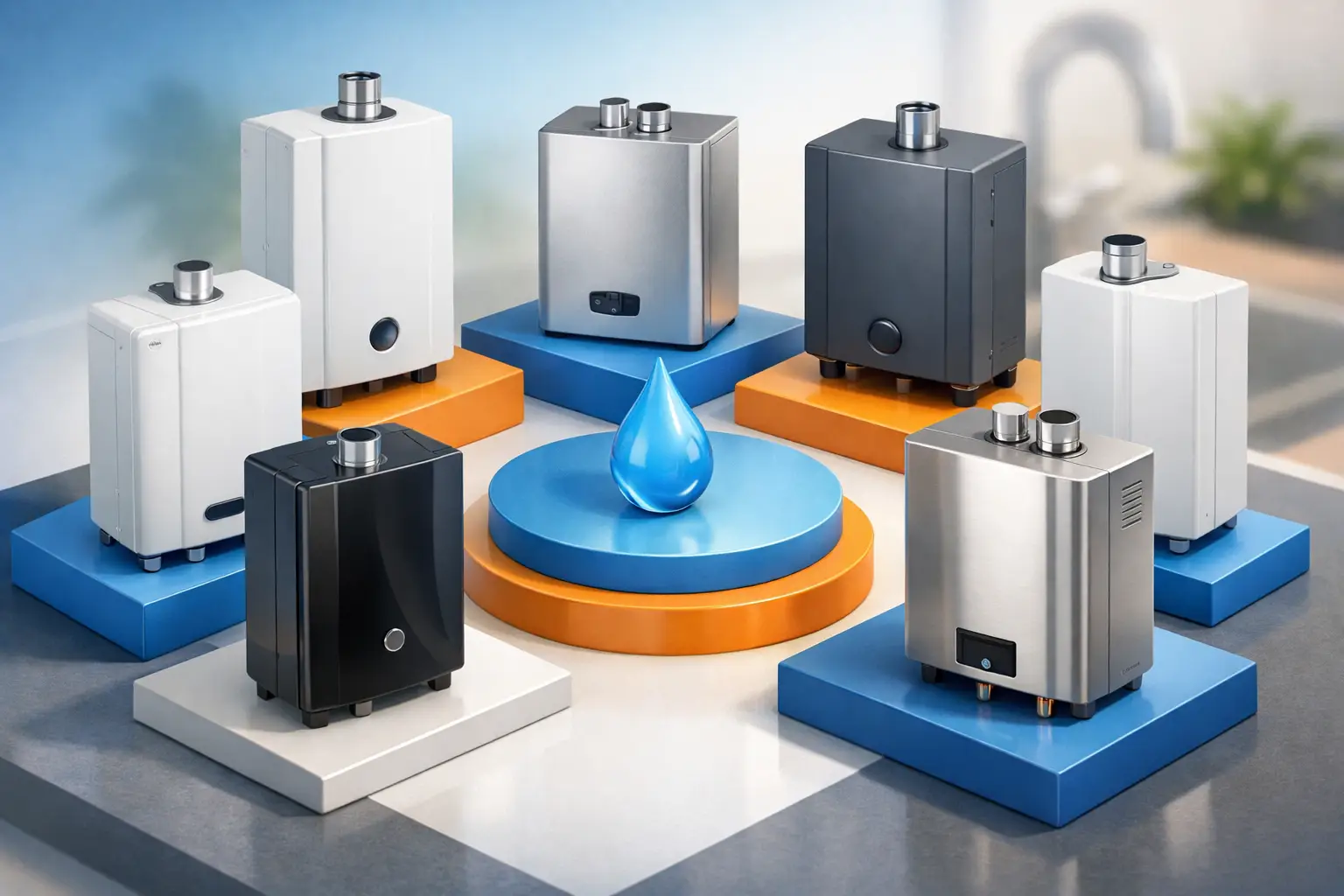
  • 7 Best Tankless Water Heater Brands

    7 Best Tankless Water Heater Brands

    A tankless water heater sounds simple until you start shopping. Then you realize the best tankless water heater brands are not all built for the same home, the same fuel type, or the same hot water habits. A family of five in Massachusetts has very different needs than a one-bath condo owner, and brand matters more than many homeowners expect.

    The good news is that a few names consistently stand out for quality, performance, and long-term reliability. The trick is knowing what each brand does well, where the trade-offs are, and which one makes the most sense for your house rather than just the highest-rated option online.

    What makes the best tankless water heater brands worth considering?

    A strong brand usually gives you more than a good-looking unit. You are also getting better heat exchanger design, more dependable controls, stronger warranty support, and easier access to service parts. That matters when your water heater is expected to run daily for years in a busy household.

    For most homeowners, the real decision comes down to a handful of factors: fuel type, flow rate, installation space, venting requirements, maintenance needs, and local service support. Tankless systems can be highly efficient, but they are not one-size-fits-all. Some brands are better for larger homes with multiple bathrooms running at once. Others shine in compact homes, smaller replacements, or budget-conscious installs.

    In Massachusetts, incoming groundwater is cold for much of the year. That means performance on paper does not always translate perfectly in real life. A unit that looks oversized enough in a warmer climate may struggle more here if several fixtures are calling for hot water at once.

    Best tankless water heater brands homeowners should know

    Rinnai

    Rinnai is often near the top of the list because it has a strong track record, broad product range, and good performance in homes with steady hot water demand. For many homeowners, this is the brand that balances reliability and features best.

    Rinnai units are known for consistent temperature control and solid efficiency. The brand offers indoor and outdoor models, condensing and non-condensing options, and recirculation features on select systems. That gives more flexibility when the installation has venting or space limitations.

    The trade-off is cost. Rinnai is rarely the cheapest route, especially once installation and venting are factored in. But if you are planning to stay in your home and want a reputable long-term option, it is a brand many professionals trust.

    Navien

    Navien has become a very popular name in high-efficiency tankless systems, especially for homeowners focused on energy savings. The brand is well known for condensing technology and built-in recirculation features on some models, which can reduce the wait time for hot water.

    This is often a strong fit for larger households that want premium efficiency and modern controls. Navien also gets attention for compact designs and advanced features that appeal to homeowners replacing older equipment as part of a broader energy upgrade.

    That said, more features can also mean more complexity. Proper installation is especially important with Navien, and regular maintenance matters. If a system is not sized or set up correctly, the homeowner may not see the performance they expected.

    Noritz

    Noritz has been in the tankless category for a long time, and that experience shows. It is known for dependable engineering, efficient operation, and a lineup that covers both standard residential needs and higher-demand applications.

    One advantage with Noritz is that it often appeals to homeowners who want a durable, no-nonsense system rather than a unit packed with extras they may never use. Performance is generally strong, and many contractors view the brand as a serious long-term contender.

    The downside is that Noritz may not be the first brand every homeowner recognizes, which can make side-by-side shopping a little less straightforward. Still, it deserves a place in any serious comparison.

    Rheem

    Rheem is one of the most familiar names in water heating, and for good reason. It offers a wide selection of products at different price points, making it one of the more accessible brands for homeowners who want tankless without moving straight to the highest-end models.

    Rheem can be a practical option if you want a recognizable brand with decent availability and a range of capacities. In many homes, especially moderate-demand households, a properly selected Rheem unit can perform very well.

    Where homeowners should be careful is assuming every Rheem model is equal. The brand covers a broad range, and model quality and feature sets can vary. This is one case where choosing based on the exact model, not just the logo, matters a lot.

    Bosch

    Bosch has a reputation for engineering and efficiency, and its tankless line is often considered by homeowners who want a dependable, established brand. Many Bosch systems are compact and well suited for homes where installation space is limited.

    Bosch can be a good fit for smaller to mid-size households or specific applications where you need steady hot water but not extreme volume. It is also a brand some homeowners feel comfortable with because of its broader reputation in home systems.

    Still, Bosch is not always the go-to answer for very high simultaneous demand. In larger homes with multiple bathrooms and heavy usage, sizing becomes especially important.

    Takagi

    Takagi has built a strong reputation in the tankless category, particularly among contractors who appreciate its straightforward performance and solid reliability. It may not always have the same brand recognition as some competitors, but it is often respected for delivering dependable hot water without unnecessary complication.

    This brand can be an excellent choice for homeowners who want a proven gas tankless unit and care more about results than flashy features. Takagi systems are often seen in homes where performance and durability come first.

    The trade-off is that some homeowners may find the brand less familiar during the research phase. That is not a problem if you are working with a contractor who knows the equipment well and can explain the right fit.

    A. O. Smith

    A. O. Smith is another major name in water heating, with wide market presence and a broad residential lineup. For homeowners who want a brand they have heard of and can often find through multiple supply channels, it is a natural one to consider.

    Its tankless offerings can work well for standard residential applications, and the brand generally competes in the practical middle ground between premium and budget. That makes it appealing when cost and reliability both matter.

    As with Rheem, the key is not treating the whole brand as one product. Some models are a better match for lighter-duty use, while others are designed for stronger household demand.

    How to choose among the best tankless water heater brands

    The brand is only part of the decision. The right system depends on how much hot water your household actually uses and how the home is set up.

    Start with demand. If two showers, a dishwasher, and a washing machine may run around the same time, you need more than a small entry-level unit. Flow rate and temperature rise matter, especially during a New England winter.

    Next, think about fuel. Gas-fired tankless systems are the most common whole-house choice because they can deliver stronger output. Electric tankless units can work in some homes, but they are often less practical for larger families because of the electrical demand and lower whole-house performance.

    Then there is installation. Tankless systems may require venting changes, gas line upgrades, condensate drainage, or electrical work. A lower equipment price does not always mean a lower total project cost.

    Maintenance should also stay in the conversation. Tankless units need periodic flushing and service, especially in areas where mineral buildup is a concern. A quality brand helps, but no tankless water heater is truly maintenance-free.

    Brand reputation matters, but installation matters just as much

    A great unit installed poorly can become a frustrating one fast. Undersizing, bad venting, improper gas supply, and skipped maintenance setup are some of the main reasons homeowners end up disappointed with tankless systems.

    That is why it helps to work with an experienced local professional who can evaluate your home, your fixtures, and your usage patterns before recommending a brand. In many cases, the best answer is not the most expensive model. It is the unit that matches your house and is installed correctly from day one.

    For homeowners in Hudson and surrounding Massachusetts communities, that practical approach matters. Mass Plumbing & Heating sees firsthand how different homes place different demands on water heating equipment, especially in older houses, additions, and properties with changing family needs.

    So which brand is best?

    If you want a simple answer, Rinnai and Navien are often the first brands homeowners compare for premium residential tankless systems. Noritz and Takagi are also strong contenders with excellent reputations. Rheem, Bosch, and A. O. Smith can be very good choices in the right application and budget range.

    The better question is which brand is best for your home. That depends on your hot water demand, fuel source, installation conditions, service access, and budget. A tankless water heater is a long-term upgrade, so it pays to choose carefully.

    If you are weighing options, focus less on brand hype and more on fit. The right system should give you reliable hot water, good efficiency, and confidence that it will keep up when your household needs it most.

  • Burst Pipe Repair Service for Fast Home Recovery

    Burst Pipe Repair Service for Fast Home Recovery

    A burst pipe rarely gives you a convenient warning. One minute everything seems normal, and the next you have water running through a ceiling, soaking drywall, or pooling across a basement floor. When that happens, burst pipe repair service is not just about fixing one broken section of plumbing. It is about stopping damage quickly, protecting your home, and making sure the same problem does not come back the next cold snap or pressure surge.

    What a burst pipe repair service should actually include

    Homeowners sometimes picture a simple patch when they hear “pipe repair.” In some cases, the fix really is straightforward. A short section of damaged pipe can be removed and replaced, pressure can be tested, and the system can be returned to service without much disruption.

    But that is not always the full story. A good burst pipe repair service starts by finding the true cause of the failure. Frozen water inside the line is a common reason in Massachusetts winters, but it is not the only one. Corrosion, aging fittings, poor previous workmanship, shifting pipes, excessive water pressure, and cracks in vulnerable areas can all lead to a break.

    That difference matters. If the repair only addresses the visible split and ignores the reason it happened, you may be dealing with another emergency sooner than you expect.

    The first steps after a pipe bursts

    The fastest way to limit damage is to stop the water source. If you know where your home’s main water shutoff is, turn it off right away. Then shut off electricity to affected areas if water is approaching outlets, appliances, or your electrical panel. Safety comes first.

    After that, try to move rugs, boxes, furniture, or personal items out of the wet area if you can do it safely. Take photos of the damage for insurance purposes. Then call for professional help.

    Many homeowners ask whether they should try a temporary clamp, tape, or epoxy while they wait. A temporary measure can sometimes slow a leak, but it should never be treated as a real solution for a burst pipe. Water pressure can turn a small crack into a larger failure with very little notice.

    Why pipes burst in the first place

    Frozen pipes get most of the attention, and for good reason. When water freezes inside a pipe, it expands. That pressure can split copper, PEX connections, or older galvanized lines. Interestingly, the rupture does not always happen where the ice forms. It often happens in a nearby weak point where pressure has nowhere else to go.

    Cold weather is only part of the picture. Older homes may have plumbing that has been exposed to decades of wear. Corrosion can thin pipe walls from the inside out. Hard water can contribute to mineral buildup. Repeated expansion and contraction can weaken joints. Even a small unnoticed leak can create damage over time that makes a future burst more likely.

    Water pressure can also play a role. If pressure is too high, the plumbing system is under constant stress. A pipe that might have held up under normal conditions can fail sooner when pressure problems are left unresolved.

    Signs you may have a hidden burst pipe

    Not every burst pipe announces itself with a dramatic flood. In some homes, the break happens behind a wall, under a floor, or in an unfinished area that is not checked often. In those cases, the warning signs are more subtle.

    You may notice a sudden drop in water pressure, unexplained water stains, bubbling paint, warped flooring, or a musty smell that was not there before. Some homeowners first realize something is wrong when their water bill jumps without a clear reason. If a pipe has burst in a crawl space, attic, or exterior wall, you may also hear dripping or running water when no fixtures are in use.

    These situations still call for prompt service. A hidden burst pipe can quietly damage framing, insulation, flooring, and drywall long before the source is confirmed.

    Burst pipe repair service vs. full pipe replacement

    One of the most common questions after a plumbing emergency is whether the damaged section can be repaired or whether a larger replacement is the smarter move. The answer depends on the age of the system, the pipe material, the location of the burst, and how widespread the deterioration is.

    If the burst happened in one isolated section of otherwise sound piping, a localized repair is usually the practical choice. It is faster, less invasive, and more cost-effective.

    If the plumber finds multiple weak spots, advanced corrosion, recurring freeze damage, or outdated materials that are failing in more than one place, replacement may offer better long-term value. That can be frustrating to hear in the middle of an emergency, but it is often more economical than paying for repeated repairs and ongoing water damage.

    A trustworthy contractor should explain that trade-off clearly. The goal is not to oversell a bigger job. The goal is to help you avoid a cycle of patching one failure after another.

    What to expect during professional repair

    A professional repair visit starts with control and assessment. The immediate priority is stopping active leakage and identifying the damaged area. From there, the technician will inspect surrounding piping, connections, and nearby components to check for related issues.

    Depending on where the burst occurred, access may be simple or more involved. An exposed basement line is very different from a pipe hidden inside a finished wall or ceiling. Once access is established, the damaged material is removed, a proper replacement section is installed, and the line is tested under pressure.

    In some cases, the repair may also include replacing shutoff valves, improving pipe support, or addressing pressure concerns. If freezing caused the problem, insulation or other preventive recommendations may be part of the conversation as well.

    That broader view is what homeowners should want. A burst pipe is a plumbing emergency, but it also tells you something about the condition of the system.

    Preventing the next burst pipe repair service call

    No home is completely immune to plumbing problems, but there are practical ways to lower your risk. The most important step is identifying vulnerable areas before winter temperatures put them to the test. Pipes in unheated basements, crawl spaces, garages, exterior walls, and attic runs deserve special attention.

    Insulation helps, but insulation alone is not always enough. Air leaks around sill plates, foundation penetrations, and poorly sealed wall cavities can expose pipes to cold drafts. Keeping indoor temperatures consistent during freezing weather also matters, especially if you are traveling or leaving a property vacant for several days.

    If your home has older plumbing, routine inspection becomes even more valuable. Small signs of corrosion, loose fittings, slow drips, or pressure irregularities are much easier to address during a planned service call than during an emergency cleanup.

    For many homeowners, this is where working with a local full-service plumbing and heating company makes a real difference. A contractor familiar with Central Massachusetts homes understands the seasonal risks, common system layouts, and the kinds of freeze-related failures that happen when temperatures swing hard.

    Why fast response matters after a pipe burst

    Water damage spreads quickly. Within a short time, wet materials can swell, stain, soften, and begin to break down. Flooring can buckle. Drywall can sag. Insulation can become saturated and ineffective. The longer water sits, the more likely it is that mold and secondary repairs become part of the problem.

    That is why emergency response is not just a convenience. It protects the structure of the home and helps contain the total cost of the event. Prompt plumbing repair, combined with quick drying and cleanup steps, gives homeowners a better chance of limiting the damage to one repair instead of several trades and a much larger restoration project.

    For families in Hudson and nearby communities, that kind of response also brings peace of mind. In a stressful moment, it helps to know the person showing up understands both the urgency and the practical next steps.

    Mass Plumbing & Heating approaches this kind of emergency the way homeowners need it handled – quickly, professionally, and with clear communication about what failed, what needs to be fixed, and what can help prevent it from happening again.

    If you ever hear water where it should not be, see stains spreading across a wall or ceiling, or lose pressure without explanation, trust your instincts and act fast. The right repair at the right time can protect much more than your plumbing.

  • Electric vs Gas Water Heater: Which Fits?

    Electric vs Gas Water Heater: Which Fits?

    When your hot water runs out halfway through the second shower, the question gets real fast: electric vs gas water heater – which one actually makes more sense for your home? For homeowners in Hudson and surrounding Massachusetts communities, the right answer usually comes down to fuel access, venting, installation conditions, and how your household uses hot water day to day.

    Electric vs gas water heater: the main difference

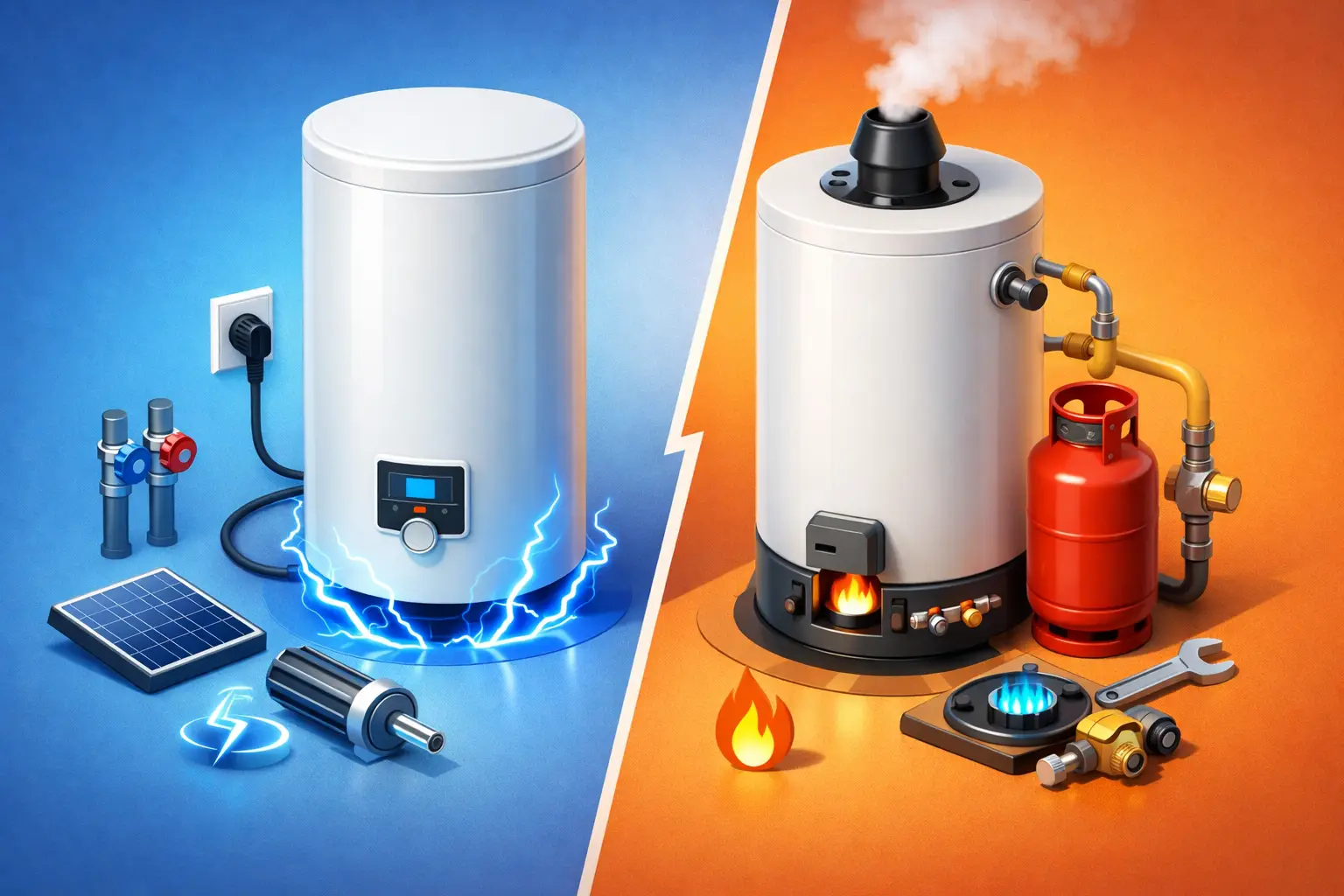
    At the simplest level, an electric water heater uses heating elements powered by your home’s electrical system, while a gas water heater burns natural gas or propane to heat the tank. Both can deliver dependable hot water. The difference is how they do it, what they cost to operate, and what your home needs to support them.

    Gas models usually heat water faster. That matters for larger families, homes with multiple bathrooms, or anyone tired of spacing out showers and laundry. Electric models are often simpler to install because they do not need gas piping or venting, which can make them a practical fit in homes where those connections are not available or would be expensive to add.

    If you are replacing an existing unit, the easiest path is often staying with the same fuel type. But not always. Sometimes a switch makes sense, especially during a renovation, fuel conversion, or when long-term operating costs matter more than upfront simplicity.

    Upfront cost vs long-term cost

    This is where many homeowners get stuck. A gas water heater often costs more to install, especially if venting, gas line upgrades, or code changes are needed. An electric model usually has a lower installation barrier. In a straightforward replacement, that can make electric look like the better deal.

    But monthly utility costs can tell a different story. In many areas, gas is less expensive than electricity for water heating, so a gas unit may cost less to run over time. The exact difference depends on local utility rates, your usage, and the efficiency of the model you choose.

    That is why the cheapest option on day one is not always the least expensive option over the life of the heater. A homeowner planning to stay put for years may care more about operating cost. Someone replacing a failed unit in an emergency may care more about getting hot water back quickly with the least disruption.

    Performance in busy households

    For larger households, recovery rate matters. Recovery rate is how quickly the water heater can bring a tank of water back up to temperature after hot water is used. Gas water heaters generally recover faster than standard electric tank models.

    That faster recovery can make a noticeable difference in homes with back-to-back showers, dishwashing, and laundry happening in the same morning. If your family regularly pushes the limits of a standard tank, gas often has the edge.

    Electric tank water heaters can still work well, especially in smaller households or homes with steadier, lighter usage. They tend to be predictable and dependable. But if your common complaint is running out of hot water, a standard electric tank may not solve that issue unless the tank size changes too.

    Installation needs inside the home

    This is one of the biggest practical differences in an electric vs gas water heater decision.

    An electric unit needs adequate electrical service and the proper circuit. A gas unit needs a gas supply and safe venting for combustion gases. That venting requirement can add complexity, especially in older homes or tight mechanical spaces.

    Gas installations also require attention to combustion air, flue condition, gas shutoffs, and code compliance. None of that is a reason to avoid gas. It just means the installation matters a lot. A poorly installed gas unit can create performance and safety problems that have nothing to do with the heater itself.

    Electric models avoid combustion and venting issues, which is one reason they are often considered simpler. In certain basements, additions, or homes without existing gas service, that simplicity may be the deciding factor.

    Safety considerations homeowners should know

    Both types can be safe when properly installed and maintained, but the risks are different.

    Gas water heaters involve open flame and combustion. That means proper venting and gas connections are critical. Any gas-burning appliance should be installed and serviced by qualified professionals who understand airflow, drafting, and leak prevention. Carbon monoxide safety is part of that conversation.

    Electric water heaters do not have combustion risks, but they still must be wired correctly and protected appropriately. Faulty electrical work, failed thermostats, or aging components can still create problems.

    For most homeowners, this is less about choosing the “safer” technology in a vacuum and more about making sure the unit is sized, installed, and maintained correctly for the house.

    Energy efficiency and newer options

    Standard electric resistance water heaters are often efficient at the point of use because much of the electricity goes directly into heating the water. But electricity itself can be expensive, which affects the monthly bill.

    Gas water heaters can be cost-effective to operate, and newer high-efficiency models can improve performance further. Still, not every home needs or benefits from the most advanced system on the market. The right fit depends on your budget, usage, and installation conditions.

    There is also an important middle ground that homeowners sometimes overlook: the hybrid electric heat pump water heater. These units use less electricity than standard electric tanks and can be a strong option for homeowners focused on efficiency. They do require the right space and conditions to perform well, so they are not ideal everywhere.

    That is one reason a one-size-fits-all recommendation does not work. A basement in Massachusetts may support one type of system beautifully and make another one less practical.

    What makes sense in Massachusetts homes

    In this area, older homes often come with installation quirks. Basement layouts, chimney conditions, existing gas piping, electrical panel capacity, and overall heating setup can all affect the best choice.

    If your home already has natural gas and other gas appliances, staying with gas may be the most practical path. If your home is all-electric or your gas setup would require major work, electric may be the cleaner choice. If energy savings are a top priority and your home has the right conditions, a hybrid model may deserve serious consideration.

    Seasonal demand matters too. During cold-weather months, homeowners are already thinking about boilers, heating systems, and fuel use. Sometimes water heater replacement happens alongside broader upgrades, and that can change the math. If you are already making changes to gas service or converting other equipment, a gas water heater may fit naturally into the plan.

    When to switch fuel types

    Most homeowners do not need to switch from electric to gas or gas to electric just for the sake of switching. It usually makes sense only when there is a clear benefit.

    A switch may be worth considering if your current setup cannot keep up with demand, if utility costs are pushing you toward a different fuel, or if another project is already opening the door to easier installation. On the other hand, if your existing setup has worked well and replacement can be done quickly with minimal changes, staying with the same fuel often keeps the project simpler and more affordable.

    This is where an in-home evaluation matters. Two houses on the same street can have very different answers because the systems around the heater are different.

    A practical way to decide

    If you are weighing electric vs gas water heater options, start with four questions. First, what fuel sources are already available in the home? Second, does your household regularly use a lot of hot water in a short time? Third, are you focused more on lower installation cost or lower long-term operating cost? Fourth, are there space, venting, or electrical limitations that narrow the options?

    Once those answers are clear, the decision usually gets easier. Homeowners who want simpler installation and do not have gas available often lean electric. Homeowners who want stronger recovery and lower operating costs often lean gas. Homeowners who want high efficiency may want to look at hybrid systems if the space allows.

    At Mass Plumbing & Heating, this is the kind of decision we help homeowners make every day – not with a sales pitch, but with a realistic look at the house, the budget, and how the system will perform over time.

    The best water heater is not the one with the most features on paper. It is the one that gives your household reliable hot water, fits your home safely, and does not leave you regretting the choice a year from now.

  • Leaking Water Heater Repair: What to Do

    Leaking Water Heater Repair: What to Do

    A puddle around the water heater usually shows up at the worst possible time – early in the morning, right before guests arrive, or when you are already dealing with another home repair. If you are searching for leaking water heater repair, the first priority is simple: protect your home from damage and figure out whether the leak is minor, urgent, or a sign the unit needs to be replaced.

    Water heaters can leak for several different reasons, and the cause matters. In some cases, the problem is a loose connection or a failing valve. In others, the tank itself has started to corrode, and no repair will stop it for long. Knowing the difference can save you time, money, and a flooded basement.

    Leaking water heater repair starts with the source

    Before anyone talks about repair options, it helps to confirm where the water is actually coming from. Homeowners are often surprised to learn that not every puddle near a water heater means the tank is leaking.

    Condensation can collect on the outside of the unit, especially during humid weather or when a cold-water line cools the surrounding metal. Water can also travel from nearby plumbing, a venting issue, or even an appliance close to the heater. A slow drip from a pipe above the tank may leave the same wet floor as a failing heater.

    If you can safely inspect the area, dry the floor and the outside of the tank, then watch for where fresh water appears. Look around the top fittings, the shutoff valve, the cold and hot connections, the drain valve near the bottom, and the temperature and pressure relief valve. If water seems to bead up from the body of the tank itself, that is usually the most serious scenario.

    What homeowners can do right away

    When a water heater is actively leaking, a few quick steps can limit damage before a plumber arrives. Start by turning off the power or fuel source if you know how to do it safely. For an electric water heater, switch off the breaker. For a gas unit, turn the gas control to the appropriate setting only if you are familiar with the unit and do not smell gas.

    Next, shut off the cold-water supply to the heater. Most units have a valve on the incoming water line above the tank. This can stop additional water from feeding the leak. If water is spreading on the floor, use towels or a wet vacuum if available, and move any stored items away from the area.

    That said, there is a limit to safe DIY troubleshooting. If the leak is heavy, if you see rust, if the tank is bulging, or if the area includes electrical hazards, it is time to stop inspecting and call for professional help.

    Common causes of a leaking water heater

    Some leaks are repairable. Others mean the unit has reached the end of its useful life. Here are the most common causes plumbers see in residential homes.

    Loose or worn pipe connections

    The top of the water heater includes incoming and outgoing water lines. Over time, fittings can loosen, seals can wear out, or corrosion can develop around the joints. These leaks may start as a slow drip and gradually worsen.

    This is one of the better-case scenarios because the tank itself may still be in good shape. A plumber can often tighten, reseal, or replace the affected connection without replacing the whole heater.

    Faulty drain valve

    Near the bottom of the tank, the drain valve allows the unit to be emptied for maintenance or replacement. If this valve is not fully closed, or if it has worn out, water can drip steadily onto the floor.

    Sometimes the fix is straightforward. Sometimes the valve has become brittle or mineral-packed and needs replacement. If the heater is older, even a small valve repair can reveal broader wear inside the unit, so the full condition of the heater still matters.

    Temperature and pressure relief valve issues

    The temperature and pressure relief valve is a safety device designed to release water if pressure or temperature inside the tank gets too high. If water is coming from this valve or the discharge pipe, the valve itself may be faulty, but it can also indicate a pressure problem in the plumbing system.

    This is where experience matters. Replacing the valve without checking the underlying pressure issue can lead to repeat problems. A professional diagnosis helps determine whether the valve, expansion tank, pressure regulator, or another system component is to blame.

    Sediment buildup and overheating

    In Massachusetts homes, hard water and mineral content can contribute to sediment collecting inside the tank. Over time, sediment settles at the bottom, reducing efficiency and stressing the metal. This can cause overheating, noise, and premature wear.

    Sediment alone does not always create an immediate leak, but it can speed up internal damage. In some cases, flushing the tank as part of regular maintenance helps extend the life of the unit. In older heaters, though, the buildup may have already done its damage.

    Internal tank corrosion

    This is the leak homeowners hope not to find. If the steel tank has corroded through, water may seep from the bottom or side of the unit. Once the tank itself fails, leaking water heater repair is usually no longer a repair issue at all – it becomes a replacement job.

    Internal corrosion is common in aging units, especially if the anode rod has been depleted and the heater has gone years without maintenance. If the tank is leaking from the body, patching it is not a dependable fix.

    Repair or replace? It depends on age and condition

    One of the most common questions homeowners ask is whether a leaking water heater can be repaired or if replacement makes more sense. The answer depends on the location of the leak, the age of the unit, and how well it has been performing overall.

    If the heater is relatively new and the leak is coming from a valve, fitting, or external connection, repair is often the practical move. If the system is already 10 to 12 years old, showing rust, struggling to keep up with hot water demand, or leaking from the tank itself, replacement is usually the more cost-effective decision.

    There is also the question of efficiency. An older tank-style heater may still be working, but if repairs are stacking up and energy use is high, replacement can solve more than one problem at once. Many homeowners choose to upgrade at that point rather than put more money into a unit near the end of its lifespan.

    How professional leaking water heater repair helps

    A professional service call is about more than stopping the visible leak. A trained plumber checks the full system, including valves, connections, venting, pressure conditions, safety controls, and signs of hidden wear. That matters because the water on the floor is not always the only problem.

    The right repair also protects your home from related damage. Water heaters are often installed in basements, utility rooms, or closets near finished spaces, storage, electrical equipment, or heating systems. A small leak left untreated can damage flooring, drywall, framing, and personal belongings.

    For families, timing matters too. Hot water is not optional for long. Showers, laundry, dishes, and daily routines all depend on a reliable system. That is why local homeowners often prefer working with a contractor who can handle troubleshooting, repair, and replacement if needed, without passing the problem to another company.

    When to call right away

    Some leaks can wait a few hours for a scheduled visit. Others call for immediate service. If the water heater is leaking heavily, if the leak is spreading quickly, if there is no hot water, or if you hear unusual popping or rumbling from the tank, it is smart to call right away.

    The same goes for visible rust at the tank base, water near electrical components, or any sign of gas odor around a gas water heater. In those situations, fast action protects both the home and the people in it.

    For homeowners in Hudson and surrounding communities, working with a local company like Mass Plumbing & Heating can make that process easier. You want clear answers, dependable workmanship, and a realistic recommendation based on the condition of the unit – not pressure, guesswork, or a temporary patch that leaves you dealing with the same leak again next month.

    Preventing the next water heater leak

    No water heater lasts forever, but regular maintenance can reduce the risk of surprise leaks. Periodic inspections, tank flushing when appropriate, checking the anode rod, and keeping an eye on valves and connections all help catch smaller problems before they become emergencies.

    It also helps to pay attention to subtle warning signs. Rust-colored water, inconsistent temperatures, reduced hot water supply, moisture around fittings, and unexplained noises from the tank can all point to trouble ahead. A planned repair is always easier than a flooded floor and a cold shower.

    If your water heater is leaking, trust your instincts. A quick response now can prevent a much bigger repair later, and getting the problem properly diagnosed is often the fastest path back to a safe, reliable supply of hot water.

  • Boiler vs Furnace Home Heating: Which Fits?

    Boiler vs Furnace Home Heating: Which Fits?

    When your heating system starts struggling in the middle of a Massachusetts winter, the question stops being abstract very quickly. For many homeowners, boiler vs furnace home heating comes down to one practical decision: what will keep the house comfortable, run efficiently, and make sense for the way the home is built?

    The right answer depends on more than fuel type or sticker price. Boilers and furnaces heat homes in very different ways, and those differences affect comfort, operating cost, maintenance, installation work, and long-term value. If you are planning a replacement or thinking about an upgrade, it helps to understand how each system actually performs in a real home.

    Boiler vs Furnace Home Heating: The Core Difference

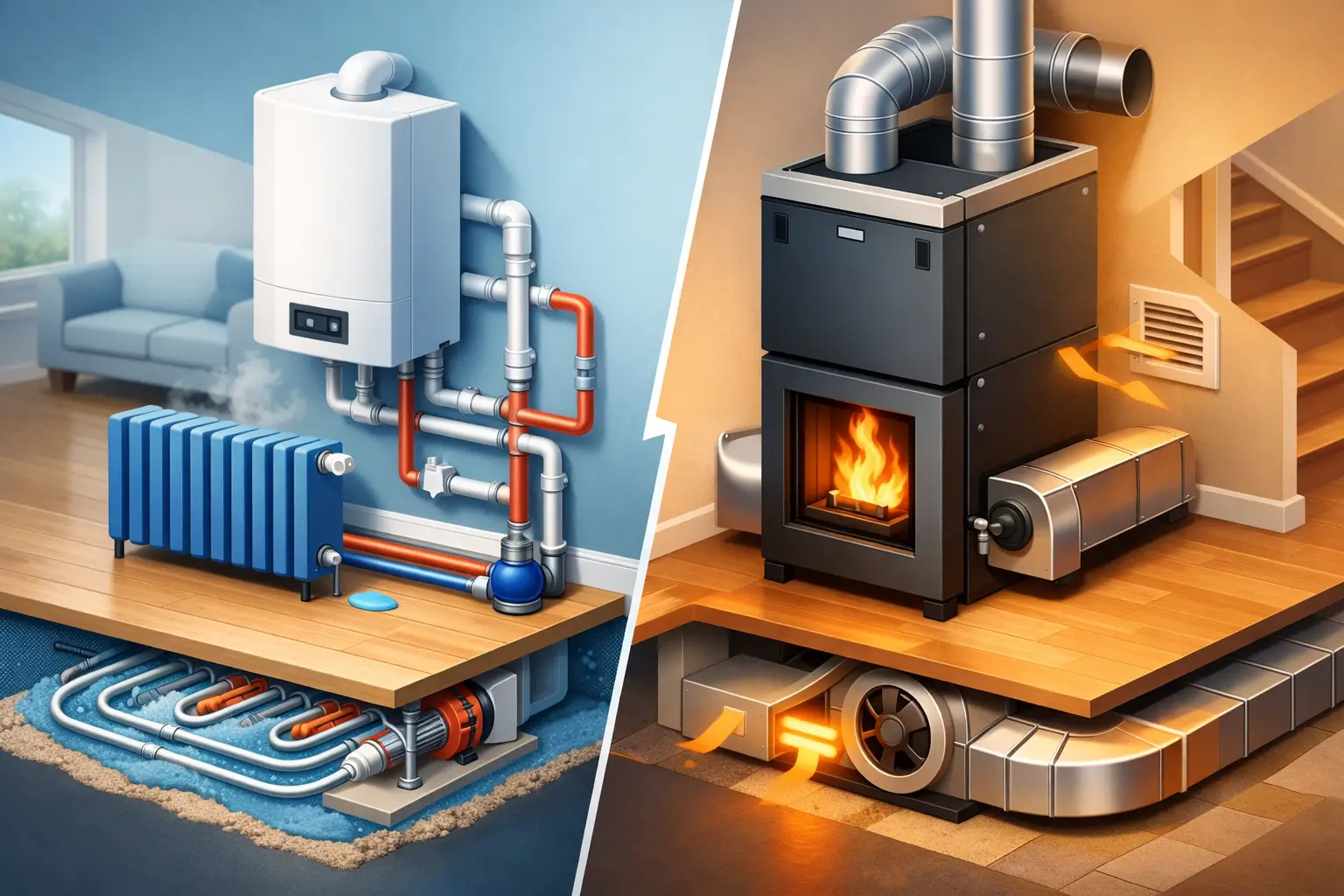
    A boiler heats water and sends that heat through baseboard units, radiators, radiant floor tubing, or steam piping, depending on the system. A furnace heats air and pushes that warm air through ductwork to vents around the house.

    That basic difference matters because water and air carry heat differently. Hot water systems usually deliver steadier, more even warmth. Forced-air systems tend to heat rooms faster, but they can also create more temperature swings as the system cycles on and off.

    If you have an older New England home with baseboard heat or radiators, a boiler often fits the structure naturally. If your home already has ductwork for central air, a furnace may be the simpler and more cost-effective path.

    How Boilers Feel in Daily Use

    Many homeowners describe boiler heat as quieter and more comfortable. That is because the system radiates or convects heat gently instead of blowing warm air into a room. Baseboards and radiant floors can create a very consistent indoor temperature, especially during long cold stretches.

    Boilers also do not move dust and allergens through ductwork the way a furnace can. For some households, that is a meaningful comfort benefit. If anyone in the home is sensitive to dry air or airborne dust, hydronic heat may feel noticeably better.

    That said, boilers are not always quick to respond. If you turn the thermostat up several degrees, the warm-up can feel gradual. That slower response is not a flaw in every situation, but it is a trade-off. People who want fast temperature changes often prefer the responsiveness of a furnace.

    How Furnaces Feel in Daily Use

    A furnace can raise room temperature quickly, which is one reason so many homeowners like forced-air systems. When the thermostat calls for heat, warm air moves through the house fast. In a home with good duct design, that can make the whole system feel very responsive.

    A furnace also gives you one major convenience a boiler does not: it can share ductwork with central air conditioning. If you need both heating and cooling, that combination can simplify installation and equipment planning.

    The downside is that forced air can feel less even from room to room. Some homes develop hot and cold spots, especially if ducts are undersized, leaky, or poorly balanced. Furnaces can also be noisier than boilers because you hear the blower start, air moving through vents, and the system cycling more noticeably.

    Which System Is More Efficient?

    Efficiency depends on the age of the equipment, the fuel being used, and how well the system matches the home. A newer high-efficiency boiler can perform extremely well, especially in homes designed around hydronic heat. The same is true for a high-efficiency furnace in a house with properly sized, sealed ductwork.

    On paper, one system does not automatically beat the other in every house. In practice, distribution losses make a difference. Boilers do not lose heat through duct leaks because they use piping, while furnaces can lose efficiency if warm air escapes through gaps in ducts running through attics, basements, or unconditioned spaces.

    But that does not mean a boiler is always cheaper to run. If an older boiler is oversized or poorly maintained, or if a steam system is out of balance, efficiency can suffer. A modern condensing furnace may outperform an outdated boiler by a wide margin. The real comparison should be between the systems available for your home, not between two generic categories.

    Installation Cost and Replacement Complexity

    For many homeowners, this is where the decision gets real. Replacing a boiler with another boiler is often straightforward if the piping network is in good condition and the existing heat emitters still make sense. Replacing a furnace with a new furnace is also usually more direct when the duct system is sound.

    Switching from one type to the other is a different conversation. Converting a home from boiler heat to furnace heat means adding ductwork, which can be a major project in an older house. Going from furnace to boiler usually means installing piping, heat emitters, and often rethinking how cooling will be handled.

    That is why the existing home setup matters so much. In many cases, the most cost-effective choice is the one that works with what the house already has. Not always, but often.

    Maintenance and Repairs

    Both systems need regular service. A boiler should be inspected and maintained to keep burners, controls, pumps, expansion components, and safety devices working properly. A furnace needs attention to burners, heat exchangers, blower components, filters, controls, and venting.

    Boilers tend to have fewer moving air-handling parts, but they are not maintenance-free. Air in the lines, circulation issues, pressure problems, or aging zone controls can affect performance. Steam systems have their own service needs and require technicians who understand them well.

    Furnaces need filter changes on schedule, and ductwork should not be ignored. A good furnace can operate very reliably, but airflow restrictions, dirty components, or ignition issues can reduce efficiency and comfort. In either case, annual maintenance is usually far less expensive than an emergency repair call during a cold snap.

    Comfort, Noise, and Air Quality

    This is where homeowner preference matters a lot. If your priority is gentle, even heat and quiet operation, a boiler often has the edge. Radiant and baseboard systems are especially appealing in homes where comfort matters more than rapid temperature changes.

    If your priority is quicker heating and combined heating and cooling through one distribution system, a furnace makes sense. Many families like the convenience of a single ducted setup, especially in homes already built for it.

    Air quality can tilt the decision too. Furnaces can support filtration and whole-home humidity equipment, which is a benefit. At the same time, ducted air movement can circulate dust if the system is dirty or poorly maintained. Boilers avoid that issue because they do not rely on blowing air through the home.

    What Works Best in Massachusetts Homes?

    In Hudson and surrounding communities, we see both systems for good reason. Many older homes were built around boilers, baseboard heat, radiators, or steam. Those homes often perform very well with an updated boiler, especially when the existing distribution system is still in good shape.

    Homes with central ductwork, especially newer homes or homes that already rely on forced air for cooling, often lean toward furnaces because the infrastructure is already there. That can make replacement simpler and less disruptive.

    Fuel source matters too. Natural gas availability, oil equipment, and the condition of older systems can all change the recommendation. Sometimes the smartest move is not just choosing between a boiler and furnace, but pairing that choice with a fuel conversion or efficiency upgrade.

    Boiler vs Furnace Home Heating: How to Decide

    The best way to approach boiler vs furnace home heating is to start with the house, not the equipment brochure. What kind of distribution system is already installed? How old is it? Do you also need air conditioning? Are there comfort complaints in specific rooms? Is energy cost the top concern, or is the bigger goal long-term reliability?

    If your home already has hydronic heat and you like the comfort it provides, staying with a boiler is often the right move. If your home has good ductwork and you want one system that works naturally with central AC, a furnace may be the better fit.

    There are also cases where a homeowner should look beyond a basic replacement. An oversized system, recurring repair issues, uneven heating, or high fuel bills may point to deeper design problems that should be addressed before new equipment is installed. That is where a careful evaluation matters. A dependable local contractor should look at the home as a whole, not just swap out the old unit and hope for the best.

    For homeowners who want clear guidance, the most useful question is not which system wins on paper. It is which system fits your home, your comfort preferences, and your budget with the fewest compromises. That answer is usually simpler once someone has looked at the equipment, the layout, and how the house actually heats through a Massachusetts winter.

  • Homeowner Guide to Plumbing Emergencies

    Homeowner Guide to Plumbing Emergencies

    A pipe can go from fine to failed in a matter of minutes. When water is spreading across a floor, backing up into a tub, or pouring through a ceiling, panic makes everything harder. This homeowner guide to plumbing emergencies is built to help you stay calm, protect your home, and know when it is time to call for professional help.

    Most plumbing emergencies follow the same pattern. First, there is immediate damage control. Then there is a short window to limit water damage, protect your family, and avoid making the problem worse. What you do in those first few minutes matters more than most homeowners realize.

    What counts as a plumbing emergency?

    Not every plumbing problem needs a middle-of-the-night service call, but some absolutely do. A dripping faucet is frustrating, yet it usually can wait. A burst pipe, sewage backup, overflowing toilet that will not stop, no water in the house, or basement flooding from a failed sump pump is different.

    A good rule is simple: if the problem is actively damaging your home, creating a health risk, or preventing essential plumbing from working safely, treat it as an emergency. In winter, a frozen pipe also deserves quick attention because it can split without much warning. If a plumbing issue involves gas lines, leave the area and contact the proper emergency service right away.

    The first five minutes in a plumbing emergency

    The fastest way to reduce damage is to stop the water source if you can do it safely. Every homeowner should know where the main water shutoff is located before there is a problem. In many Massachusetts homes, it is near where the water line enters the basement, crawl space, or utility area.

    If the emergency is isolated to one fixture, such as a toilet or sink, the local shutoff valve may be enough. Turning off only that fixture keeps the rest of the house usable. If the valve is stuck, leaking, or missing, shut off the main water supply instead.

    Next, turn off electricity to affected areas if water is near outlets, appliances, or your electrical panel. Do not step into standing water to reach a breaker. If there is any doubt about safety, wait for qualified help. Move rugs, boxes, towels, and furniture away from the water path if you can do so quickly.

    After that, contain what you can. Buckets, towels, and mops will not solve the problem, but they can limit damage while you wait for service. Take a few photos too. If you need repairs beyond plumbing, having documentation can help later.

    A homeowner guide to plumbing emergencies by problem type

    Burst pipes and sudden leaks

    A burst pipe is one of the most urgent home plumbing problems because it can release a huge amount of water very quickly. Shut off the main water supply immediately. Then open a faucet at the lowest level of the home to help drain the remaining water from the system.

    If the leak is small and coming from a visible pipe joint, some homeowners try temporary measures like a pipe clamp, repair tape, or a bucket underneath. That can buy time, but it is not a fix. Water pressure, corrosion, freezing damage, or poor connections all need proper diagnosis. A repaired spot may hold briefly and fail again if the underlying pipe is compromised.

    In older homes, one leak can also point to broader wear in the plumbing system. That does not always mean a whole-house repipe is needed, but it does mean the repair should be evaluated in context.

    Overflowing toilets and drain backups

    If a toilet is rising toward the rim, remove the tank lid and push the flapper closed if it is stuck open. Then shut off the toilet supply valve behind the fixture. Do not keep flushing to “see if it clears.” That usually makes the cleanup worse.

    A plunger can help with a basic toilet clog, but there is a limit. If multiple drains are backing up, if sewage is coming up in the tub or basement drain, or if the toilet overflows even without flushing, the issue may be deeper in the main sewer line. That is not a job for chemical drain cleaner.

    Store-bought drain products are one of the most common mistakes homeowners make during emergencies. They rarely solve serious clogs, and they can damage pipes, create fumes, and make later repairs more hazardous for whoever has to work on the system.

    Water heater failures

    No hot water is disruptive. Water around the water heater is more urgent. If you see leaking at the tank, hear loud popping or hissing, or notice rusty water and reduced hot water output, turn off the unit and the water supply if you can.

    For electric water heaters, shut off power at the breaker. For gas units, do not attempt repairs beyond basic shutoff steps unless you are trained to do so. A failed water heater may be repairable, but age matters. If the tank is older and leaking from the body of the unit, replacement is often the more practical path.

    This is one area where homeowners benefit from working with a contractor who understands both emergency repairs and replacement options. A quick repair on a failing system is not always the most cost-effective decision.

    Sump pump problems and basement flooding

    A sump pump failure often shows up during the worst possible weather. If the pit is full and the pump is not turning on, check the power source first. A tripped breaker, unplugged cord, or stuck float switch may be the issue. If the pump hums but does not move water, or if it cycles without clearing the pit, it may have failed mechanically.

    Basement flooding is especially time-sensitive because it affects flooring, stored belongings, framing, and air quality. If stormwater is involved, the situation can escalate quickly. Backup sump systems and battery backups are worth considering after the emergency passes, especially in homes with a history of water intrusion.

    Frozen pipes

    Frozen pipes are common in New England winters, especially in unheated spaces or along exterior walls. If a faucet stops producing water or only trickles during a cold snap, a frozen section may be blocking the line. Shut off the main water if you suspect the pipe has cracked.

    You can gently warm accessible pipe sections with room heat or warm towels, but never use an open flame. The challenge is that the frozen spot is not always visible, and thawing one section does not help if another part of the line has already split. Fast professional attention can prevent a frozen pipe from becoming a burst-pipe cleanup.

    What not to do during plumbing emergencies

    A calm response includes knowing when to stop. Do not tear into walls, force stuck valves, or rely on internet tricks that promise instant fixes. Plumbing systems are connected, and a rushed move in one spot can create a bigger issue elsewhere.

    Avoid running other fixtures if you suspect a drain or sewer blockage. Do not use appliances connected to water lines if a leak may involve those connections. And if water is near a boiler, water heater, or any powered equipment, treat electrical safety as the first priority.

    How to be ready before the next emergency

    The best emergency response starts before anything goes wrong. Know the location of your main water shutoff and test that it turns properly. Find the individual shutoffs under sinks and behind toilets. If a valve is seized or leaking, have it replaced before you need it.

    It also helps to keep a few basic items on hand: a plunger, towels, a bucket, a flashlight, and the phone number of a trusted local plumbing and heating company that offers emergency service. If your home has a sump pump, test it periodically. If your water heater is nearing the end of its expected life, pay attention to warning signs instead of waiting for a leak.

    For many homeowners in Hudson and surrounding communities, plumbing emergencies overlap with heating concerns, especially in winter. Frozen pipes, boiler issues, and water heater failures can all affect daily comfort and home safety at the same time. That is one reason many local families prefer to work with one reliable company that can handle both plumbing and heating systems. Mass Plumbing & Heating is built around exactly that kind of practical support.

    When it is time to call right away

    If you cannot stop the water, if sewage is involved, if there is flooding near electrical equipment, or if a water heater, boiler, or sump pump failure is affecting the safety of the home, do not wait. Emergency service exists for a reason.

    A good service call should do more than stop the immediate problem. It should identify what failed, explain your options clearly, and help you understand whether the repair is likely to hold or whether a replacement makes more sense. That kind of guidance matters when you are making decisions under stress.

    Plumbing emergencies are never convenient, but they are easier to manage when you know your first steps. The goal is not to fix everything yourself. It is to protect your home, avoid preventable damage, and get the right help involved quickly so one bad moment does not turn into a much bigger repair.

  • Why Is My Boiler Leaking? Common Causes

    Why Is My Boiler Leaking? Common Causes

    A boiler leak usually shows up at the worst possible time – early in the morning, on a cold night, or right when you notice the heat is not acting quite right. If you are asking, “why is my boiler leaking,” the short answer is that something in the system is failing, wearing out, or operating under the wrong pressure. The right next step depends on where the water is coming from, how much is leaking, and whether the boiler is still running normally.

    Some leaks are minor at first, like a slow drip from a valve or fitting. Others point to a bigger problem, such as a failing pressure relief valve, corrosion inside the unit, or damage to a pump seal. Either way, a leaking boiler is not something to ignore. Water and heating equipment do not mix well, and a small leak can turn into a much more expensive repair if it keeps going.

    Why is my boiler leaking around the unit?

    Homeowners often describe a boiler leak as water “around the bottom,” but that does not always mean the boiler block itself is cracked. Water can travel along pipes, drip off nearby components, or collect under the system before it becomes visible. That is why the source matters more than the puddle.

    One common cause is loose or worn pipe connections. Boilers heat and cool repeatedly, and that expansion and contraction can put stress on threaded fittings and joints over time. In some cases, the fix is relatively straightforward. In others, the leaking connection is a symptom of pressure problems elsewhere in the system.

    Another frequent issue is a leaking circulator pump. The pump moves hot water through your heating system, and if its seals or flanges begin to fail, water may drip from the pump housing or collect beneath it. On older systems, corrosion can also eat away at metal parts until they start leaking.

    The pressure relief valve is another likely suspect. This safety device is designed to release water if boiler pressure gets too high. If you see water near the relief valve discharge pipe, the valve may be doing its job because the system is over-pressurized, or the valve itself may be faulty and no longer sealing properly.

    The most common reasons a boiler starts leaking

    High boiler pressure

    Boilers are designed to operate within a specific pressure range. When pressure climbs too high, the system may force water out through the relief valve to protect itself. High pressure can be caused by a faulty pressure reducing valve, a waterlogged expansion tank, or a problem during recent service or refilling.

    This is one of those situations where the visible leak is not always the main problem. The water on the floor may be coming from a valve, but the real issue is the pressure condition inside the system.

    A failing expansion tank

    The expansion tank helps manage the natural increase in water volume as it heats up. If that tank loses its air charge or fails internally, pressure in the boiler system can rise and trigger leaks. Sometimes this leads to relief valve discharge. Other times it puts strain on fittings and other components.

    Expansion tank problems are common on older systems and often show up as pressure swings, intermittent leaking, or noisy operation.

    Corrosion inside the boiler

    Age matters with boilers. Over time, corrosion can weaken sections of the heat exchanger, valves, or internal components. If the boiler itself is rusting through, the leak may come directly from the unit rather than from an attached part.

    This is where repair versus replacement becomes a real conversation. A valve or pump can often be replaced. A corroded boiler section is a much bigger issue, and in many cases, replacement is the more practical long-term choice.

    Worn seals, gaskets, or pump flanges

    Boilers have several mechanical connection points that rely on gaskets and seals. As these materials age, they can dry out, crack, or lose their ability to hold under temperature and pressure. The leak may start small and only appear while the boiler is actively heating.

    This kind of issue is usually repairable, but it still should be addressed promptly before water damages nearby components.

    Problems with the drain valve or relief valve

    A drain valve that does not close fully can drip steadily and create the impression that the whole boiler is leaking. Relief valves can also begin to seep with age, mineral buildup, or repeated pressure events. In both cases, replacing the valve may solve the leak, but the system should still be checked to make sure the valve was not reacting to another problem.

    Why is my boiler leaking from the bottom?

    When water is pooling underneath the boiler, people understandably worry about the worst-case scenario. Sometimes that concern is justified, but not always. A leak from the bottom can come from a pump mounted low on the system, a nearby valve, or condensation in certain high-efficiency equipment.

    If you have a condensing boiler, some moisture may be related to the condensate system rather than the heating water side. A blocked condensate line, cracked trap, or issue with the neutralizer can allow water to back up or drip around the base. That is a different repair than a pressure or piping leak, so identifying the boiler type helps.

    If the actual boiler block is leaking from underneath due to internal corrosion or a crack, that is more serious. In that case, repair options can be limited. The age of the unit, availability of parts, and overall condition of the system all factor into the decision.

    What you can safely check before calling

    A homeowner should not open the boiler cabinet or try to take apart hot-water or gas components, but there are a few simple observations that can help.

    Start by looking at the pressure gauge if your system has one. If the pressure is much higher than normal, that is useful information to share when you call. Check whether the leak appears constant or only happens when the heat is running. Notice whether the water seems to be coming from a valve, a pipe joint, the circulator pump, or the body of the boiler itself.

    You can also look for signs of rust, staining, or mineral buildup around fittings and valves. These clues often show where a slow leak has been developing over time. If the area is wet but the source is not obvious, dry the floor if it is safe to do so and monitor where new water first appears.

    If the leak is active, protect the area around the boiler as best you can. Move stored items away from the water and place a container under a drip if it helps limit damage. If you see significant leaking, if pressure is rising quickly, or if the system is making unusual noises, shut off the boiler and call for service.

    What not to do with a leaking boiler

    It is tempting to tighten random fittings or keep resetting the system in hopes that the problem will clear up. That usually makes things worse. Boilers are closed, pressurized heating systems, and guessing at a repair can create safety risks or turn a manageable problem into a larger one.

    Do not ignore the leak because the boiler is still producing heat. Many serious boiler issues start with a small amount of water. Do not keep adding water to the system without understanding why pressure is dropping. Fresh water introduces oxygen and minerals, which can speed up corrosion inside the system.

    And if you smell gas, hear banging, or see water near electrical controls, stop there and get professional help right away.

    When boiler leaking means you need repair fast

    A boiler leak moves from inconvenient to urgent when water is actively running, the pressure relief valve is discharging, the boiler is shutting down, or you see corrosion on the unit itself. These are signs that the system needs more than a quick look.

    For homeowners in Hudson and nearby Massachusetts communities, fast service matters in winter because a boiler problem can quickly turn into a no-heat problem. A dependable local contractor can determine whether the issue is a valve, tank, pump, condensate problem, or a more serious failure inside the boiler. In many cases, a targeted repair gets the system back online. In others, especially with older equipment, replacement may save money and stress over the next few seasons.

    Mass Plumbing & Heating sees this often in homes with aging boilers, baseboard systems, radiant heat, and steam applications. The right repair starts with finding the true source of the leak rather than treating every puddle the same way.

    The bottom line on a leaking boiler

    If you are asking, “why is my boiler leaking,” the answer could be anything from a bad valve to an internal boiler failure. The key is not to wait for a small drip to become water damage, heating loss, or a full system breakdown. Catching the problem early usually gives you more repair options, lower costs, and a better chance of keeping your home comfortable when you need heat the most.

    If something looks off, trust that instinct. A boiler should not leak, and getting it checked sooner is almost always the smarter move.

  • Water Heater Repair: Signs You Need Service

    Water Heater Repair: Signs You Need Service

    No hot water at 6 a.m. tends to turn an ordinary morning into a household problem fast. When your shower runs cold, your utility room smells off, or you notice water around the tank, water heater repair moves from a chore you can put off to something that needs attention now.

    For homeowners in Hudson and nearby Massachusetts communities, the challenge is not just getting hot water back. It is figuring out whether the issue is minor, whether the unit is safe to keep running, and whether a repair still makes sense compared to replacement. A good diagnosis matters because the right fix depends on the type of water heater, its age, and the symptom you are seeing.

    When water heater repair should not wait

    Some water heater issues are inconvenient. Others can damage your home or create a safety concern. If you have active leaking around the tank, a burning smell, discolored water with a strong metallic odor, or a gas unit that will not stay lit, it is smart to treat the problem as urgent.

    A leaking connection or valve may be repairable. A leaking tank usually is not. That distinction is important because many homeowners see water on the floor and assume the whole unit has failed. Sometimes the source is a loose fitting, the temperature and pressure relief valve, or condensation. Other times the tank itself has rusted through, and no repair will make that a dependable long-term solution.

    If you suspect a gas smell near the water heater, leave the area and arrange for professional help right away. That is not a wait-and-see situation.

    Common signs your water heater needs repair

    Most water heaters give some warning before they stop working completely. The signs are often subtle at first, then more obvious over time.

    Inconsistent or no hot water

    If your hot water runs out much faster than it used to, a failing heating element, burner problem, thermostat issue, or sediment buildup could be reducing performance. On a tankless unit, scale buildup or ignition trouble may be the cause. If there is no hot water at all, the problem may be electrical, gas-related, or tied to a failed control component.

    Strange noises from the tank

    Popping, rumbling, or banging sounds usually point to sediment collecting at the bottom of a tank-style water heater. As water heats beneath that layer, the unit works harder and less efficiently. In some cases, a flush helps. In others, the sediment has been there long enough to contribute to overheating and internal wear.

    Rust-colored water

    Brown or reddish hot water can signal corrosion inside the tank or deterioration of the anode rod, which is designed to protect the tank from rusting. If discoloration only shows up when running hot water, the water heater is a likely suspect. If it appears on both hot and cold sides, the plumbing system may be part of the issue.

    Water around the unit

    Even a small amount of water matters. It may come from fittings, valves, the drain connection, or the tank itself. The cause determines whether water heater repair is straightforward or whether replacement is the wiser move.

    Rising energy bills

    A struggling water heater often uses more fuel or electricity to do the same job. Sediment, worn parts, and poor combustion can all reduce efficiency. Homeowners sometimes notice the utility bill before they notice the mechanical symptom.

    What causes water heater problems

    Water heaters work hard every day, and most of their problems come from wear, water quality, and lack of maintenance.

    Sediment is one of the biggest issues in tank-style systems. Minerals settle at the bottom over time, especially in areas with hard water. That buildup reduces efficiency, shortens recovery time, and can eventually damage the tank.

    Parts also wear out. Electric units may need new elements or thermostats. Gas units can develop issues with pilot assemblies, thermocouples, gas control valves, or burners. Pressure relief valves, expansion tanks, and shutoff valves can fail too.

    Age plays a role as well. A water heater that is ten or twelve years old is simply more likely to have multiple components nearing the end of their service life. At that point, even a successful repair may only buy limited time.

    Repair or replace? It depends on the unit

    This is usually the question homeowners want answered first, and the honest answer is that it depends.

    If the issue is isolated to a replaceable part and the tank is still in good shape, repair often makes sense. That is especially true for newer units with a solid service history. Replacing a heating element, thermostat, igniter, or valve can restore dependable performance without the cost of a full replacement.

    If the tank is leaking, the unit is badly corroded, or the repair cost is high compared to the age of the system, replacement is often the better investment. Continuing to repair an older unit can become more expensive than upgrading to a newer, more efficient model.

    Tankless water heaters follow a slightly different calculation. They usually last longer than standard tank systems, so repairs are often worth considering if the heat exchanger is still sound and the issue is tied to maintenance or serviceable components.

    Types of water heaters and how repair differs

    Not all water heaters fail the same way, which is why a broad diagnosis matters.

    Tank water heaters

    These are the most common in many homes and often have issues tied to sediment, thermostats, elements, burners, or aging tanks. Repairs are usually straightforward when caught early.

    Tankless water heaters

    Tankless systems can offer strong efficiency, but they need proper maintenance. Scale buildup, sensor problems, ignition faults, and venting issues are common service calls. These units benefit from technicians who understand both plumbing and combustion systems.

    Hybrid water heaters

    Hybrid systems can lower operating costs, but they involve more components than a standard tank unit. If something goes wrong, the repair may involve controls, heat pump operation, airflow, or traditional backup heating elements.

    What you can check before calling

    There are a few basic things homeowners can safely look at. For an electric unit, check whether the breaker has tripped. For a gas unit, see whether the pilot is out if your model has one and review any visible status light or error code. You can also check the thermostat setting and confirm that a shutoff valve has not been closed accidentally.

    That said, water heater repair is not a good area for guesswork. If there is leaking, gas-related trouble, electrical concerns, or repeated shutdowns, it is time for professional service. A water heater combines water, power or fuel, pressure, and heat in one appliance. The risk of making the problem worse is real.

    Why prompt service usually saves money

    Putting off repair often turns a manageable issue into a bigger one. A minor leak can damage floors or walls. Sediment buildup can shorten equipment life. A burner or element problem can leave the system running inefficiently for weeks or months.

    Fast service also helps preserve options. If a technician catches the issue before the tank fails or before major corrosion sets in, repair may still be practical. Waiting too long can take that option off the table.

    For local homeowners, this is where working with an experienced plumbing and heating contractor makes a difference. A team that understands tank, tankless, gas, electric, and high-efficiency systems can tell you clearly whether the right next step is a repair, a maintenance service, or a replacement. That kind of straightforward guidance is what many families are looking for when hot water suddenly becomes unreliable.

    Preventing future water heater repair calls

    No water heater lasts forever, but regular maintenance can help you get more dependable years from it. Flushing a tank, checking the anode rod, testing safety components, and addressing small performance changes early can all reduce the chance of a sudden breakdown.

    Tankless units should be descaled on a schedule that fits your water conditions and usage. Homes with harder water may need more frequent service. If your system has already needed one scale-related repair, that is a sign maintenance should become more routine.

    It also helps to pay attention to small changes. If the water takes longer to heat, the tank starts making new noises, or hot water quality changes, those are useful early signals. Problems tend to be cheaper and simpler when they are handled before they become emergencies.

    When your water heater starts acting up, the goal is not just to get through one more day with lukewarm showers. It is to protect your home, restore reliable hot water, and make a smart decision about the system you depend on every day. If something feels off, trust that instinct and get it checked before a minor issue becomes a bigger one.